The Caribbean islands have long been a haven for vibrant culture, music, and, of course, food. When we think of Caribbean cuisine, the image that often comes to mind is a feast of grilled meats, hearty seafood dishes, and spicy stews. But tucked in between all of that, you’ll find a world of vegetarian dishes that are as flavorful, colorful, and satisfying as anything else on the island.
As someone who’s spent a fair amount of time wandering through the markets of the Caribbean, I can tell you that the vegetables are just as exciting as the proteins. There’s something incredibly rewarding about cooking with fresh, local ingredients, often picked just hours before they hit your kitchen. Whether it’s sweet potatoes, plantains, or an abundance of leafy greens, Caribbean vegetarian dishes come alive with the region’s unique blend of spices and influences.
One recipe that has always stood out to me-especially when I’m craving a dish that’s both nourishing and full of flavor-is the Caribbean Vegetable Stew. This recipe is one of those dishes you can throw together on a lazy weekend afternoon or whip up for a family gathering. The best part? It’s incredibly versatile. No matter where you are, you can make it your own by swapping in whatever fresh produce you find at the market or have in your fridge.
Let’s dive into the heart of the recipe and the beauty of Caribbean vegetarian cooking.
Caribbean Vegetarian Recipe
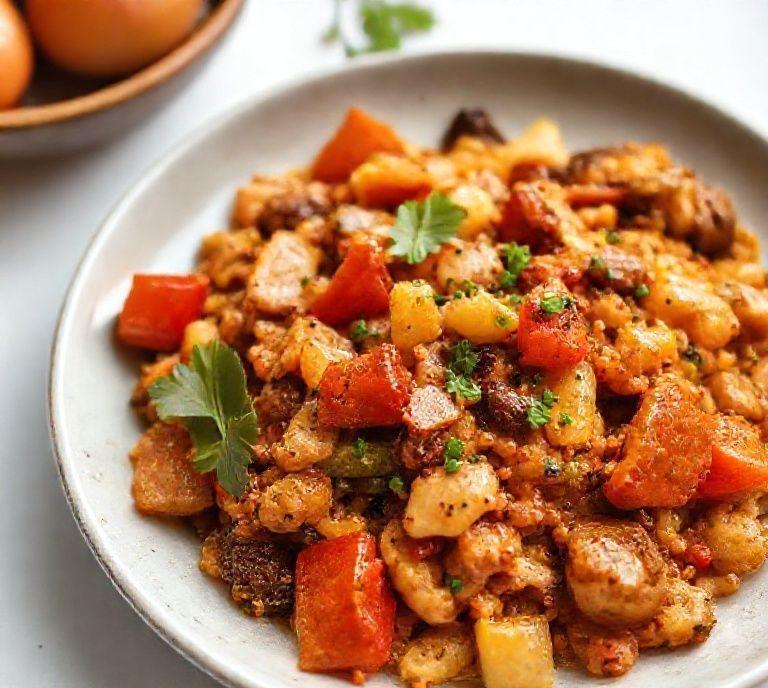
This Caribbean Vegetable Stew brings together the vibrant flavors of the islands. With a base of tender vegetables simmered in aromatic spices, it’s a comforting yet zesty dish that balances sweetness, heat, and earthiness. Whether served with a side of rice, bread, or just eaten on its own, it’s bound to become a staple in your kitchen.
Ingredients Needed
- 1 medium onion – Sliced thin to provide a sweet, caramelized base for the stew.
- 3 cloves garlic – Finely chopped to give that aromatic punch that’s essential in Caribbean cooking.
- 2 medium carrots – Chopped into rounds, they add sweetness and color.
- 1 large sweet potato – Cut into cubes, this starchy vegetable provides a creamy texture and earthy flavor.
- 2 bell peppers – Red and green for color contrast and their slightly sweet, peppery taste.
- 1 medium zucchini – Chopped into bite-sized pieces, adding a bit of lightness to the stew.
- 1 ripe tomato – Diced, lending a juicy, slightly acidic bite to balance the sweetness of the root vegetables.
- 1 can of coconut milk – This is your rich, velvety base that turns the stew into a creamy, flavorful comfort dish.
- 2 cups vegetable broth – To create a flavorful liquid for the vegetables to cook in, enhancing the overall depth of flavor.
- 1 tbsp thyme – Fresh thyme is one of the cornerstones of Caribbean cuisine, offering a mild, earthy flavor.
- 1 tsp allspice – A quintessential Caribbean spice, adding warmth and complexity to the dish.
- 1 tsp turmeric – A dash of golden turmeric for color and a hint of earthy bitterness.
- 1-2 scotch bonnet peppers – If you like heat, the scotch bonnet will add that signature Caribbean spice. Feel free to adjust the quantity or omit them for a milder flavor.
- Salt & pepper to taste – To enhance all the vibrant flavors.
Cooking Instructions
-
Prep The Vegetables
Start by peeling and chopping the sweet potato and carrots. Dice the bell peppers, zucchini, and tomato, and slice the onion and garlic. The beauty of this dish lies in how each vegetable holds its shape and contributes to the stew’s chunky texture, so keep the cuts uniform for even cooking.
-
Sauté The Aromatics
Heat a couple of tablespoons of oil in a large pot over medium heat. Add the onion and garlic, cooking them until soft and fragrant-about 3-4 minutes. This step is crucial; you want the onions to become translucent and release their sweetness before adding the other ingredients.
-
Add The Root Vegetables
Toss in the sweet potato and carrots and give everything a good stir. Let them cook for about 5 minutes. The goal here is to start softening the vegetables and allowing the sugars to caramelize slightly for deeper flavor.
-
Simmer The Stew
Pour in the coconut milk, vegetable broth, and spices (thyme, allspice, turmeric, and salt/pepper). Stir everything to combine. Bring the mixture to a gentle boil, then lower the heat to a simmer. Cover the pot and let it cook for about 20 minutes, or until the root vegetables are just tender.
-
Add The Remaining Veggies
Once the sweet potatoes and carrots are tender, stir in the bell peppers, zucchini, and tomatoes. Let the stew simmer for an additional 10 minutes or until the vegetables are all tender and the flavors have melded together.
-
Finish With Heat And Serve
If you’re using scotch bonnet peppers, you can add them now. Be careful-the peppers are incredibly hot, so adjust based on your spice tolerance. Once it’s to your liking, remove the stew from heat. If you’ve used whole scotch bonnets, you can remove them before serving (unless you enjoy the extra heat!). Serve with a side of fluffy rice or warm bread to soak up the rich sauce.
Ingredient Science Spotlight
Let’s take a moment to talk about one of the unsung heroes of this dish: the coconut milk. It’s more than just a creamy liquid; it’s an ingredient with a complex interplay of fats, sugars, and proteins. Coconut milk is naturally rich in medium-chain triglycerides (MCTs), which are known for being easily digestible and for providing quick energy. The fat in coconut milk helps absorb fat-soluble vitamins from the vegetables-meaning, it doesn’t just make the dish richer; it helps you get the most out of the vegetables’ nutrients.
Another ingredient worth noting is the scotch bonnet pepper. This fiery little pepper contains capsaicin, which is known to boost metabolism and improve circulation. Its unique fruity heat gives this stew that unmistakable Caribbean kick. In fact, scotch bonnets are often preferred in Caribbean cooking over other hot peppers due to their distinctive heat profile and fruity flavor.
Expert Tips
- Layering Flavors: Don’t rush through the steps. Sautéing the onions and garlic until they’re golden brings out their natural sugars and sets the foundation for the stew’s flavor. The same goes for the root vegetables-let them caramelize slightly before adding the liquids.
- Control the Spice: Scotch bonnets are incredibly spicy, so be sure to remove the seeds and membrane before adding them. If you’re making this for a crowd or want to keep the heat level mild, you can skip the peppers altogether and still have a delicious dish.
- Go Slow with the Coconut Milk: If you’re not familiar with cooking with coconut milk, be careful not to add it all at once. Gradually pouring it in and allowing it to integrate with the other ingredients ensures a smooth, silky texture.
Recipe Variations
This recipe is as versatile as the Caribbean itself. Here are a few ways you can customize it:
- Add Legumes: For extra protein, toss in a can of chickpeas or kidney beans. They add texture and a savory depth to the stew.
- Root Veggie Swap: If you’re not a fan of sweet potatoes, regular potatoes, yams, or even parsnips can stand in as a suitable alternative.
- Greens Galore: You could easily throw in some chopped spinach, kale, or collard greens towards the end of the cooking process for a leafy boost.
- Tropical Fruits: To bring even more of the Caribbean vibe to the dish, try adding small chunks of pineapple or mango. The sweetness contrasts beautifully with the spice and richness of the coconut milk.
Final Words
Caribbean cooking is all about bringing people together around the table, and nothing says "togetherness" more than a big pot of vegetable stew. The balance of flavors-sweet, savory, spicy-will transport you right to the warm breezes of the islands. It’s simple but soul-satisfying, with ingredients that speak to the land’s vibrant biodiversity and the region’s commitment to fresh, wholesome foods.
Whether you’re a longtime vegetarian or just looking for a way to add more plant-based meals to your repertoire, this dish offers both the depth of flavor and the nutrition that makes it a standout.
FAQs
What Are Some Popular Caribbean Vegetarian Dishes?
Popular Caribbean vegetarian dishes include callaloo, a leafy green stew often cooked with coconut milk and spices; rice and peas made with kidney beans or pigeon peas and flavored with coconut milk; and vegetable roti, which is a flatbread stuffed with curried vegetables. These dishes highlight the region’s rich use of spices, coconut, and fresh produce.
How Can I Make Caribbean Vegetarian Recipes More Flavorful?
To enhance flavor in Caribbean vegetarian dishes, use traditional spices and seasonings such as allspice, Scotch bonnet peppers, thyme, garlic, and ginger. Incorporating coconut milk or fresh herbs like cilantro and culantro can add depth. Roasting or sautéing vegetables before adding them to stews and curries also intensifies flavor.
Are Caribbean Vegetarian Recipes Suitable For Vegan Diets?
Many Caribbean vegetarian recipes can be adapted for a vegan diet, as they often rely on vegetables, legumes, and coconut milk. However, some dishes may include dairy or eggs, such as certain baked goods or cheeses. Substituting plant-based alternatives ensures that the recipe remains fully vegan while preserving authentic Caribbean flavors.