Cassoulet has always been one of those dishes I turn to when I want to feel connected to a place, a time, and the simple joy of food that is both rich in flavor and history. It’s like wrapping yourself in a warm, hearty blanket on a cold winter evening. For those unfamiliar with it, cassoulet is a slow-cooked, French stew that originates from the south of France, typically made with beans, meats, and a mix of herbs and spices. It’s the kind of dish that you make on a lazy weekend, letting the flavors meld together for hours, with the anticipation building as the aroma fills the house.
But here’s the thing: you don’t need to have meat in it to capture that same cozy, indulgent essence. A vegetarian version of cassoulet can be just as satisfying, if not more so. By using the right ingredients and techniques, you can create a version that still delivers those deep, savory flavors that make the dish so beloved.
Now, I’ve had my fair share of meat-based cassoulets over the years-each one a little different, depending on the region and the cook. But as I started dabbling with vegetarian recipes, I realized that it’s all about balance. Cassoulet is hearty, rustic, and full of layers of flavor, and you can achieve all of that even without the traditional meat. This vegetarian cassoulet is all about the beans, the vegetables, and a beautiful blend of seasonings that bring it all to life.
Cassoulet Vegetarian Recipe
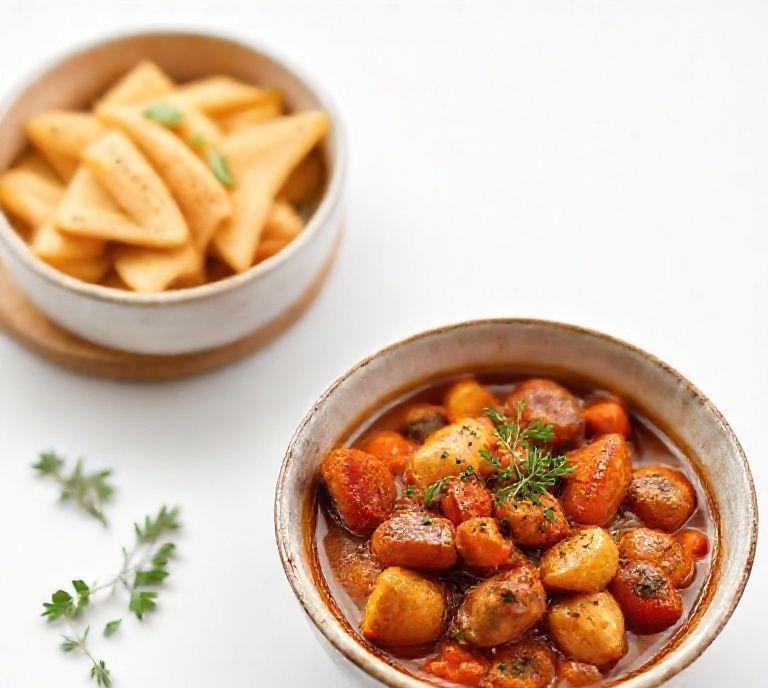
This version of cassoulet uses hearty beans, root vegetables, and a touch of umami-packed ingredients to create the deep, comforting flavors you crave. The richness comes not from meat, but from the slow-braised vegetables and beans that soak up all the savory flavors from the herbs and seasonings. The result? A meal that feels like a warm embrace on a chilly evening.
Ingredients Needed
- 2 cups dried white beans (I prefer cannellini or great northern beans-so creamy and tender)
- 2 tablespoons olive oil (for sautéing, extra virgin for a little more flavor)
- 1 large onion, finely chopped
- 3 cloves garlic, minced
- 2 medium carrots, peeled and diced
- 2 celery stalks, diced
- 1 large potato, peeled and diced (adds a nice creaminess)
- 1 zucchini, chopped (for a little freshness)
- 1 can (14 oz) diced tomatoes (or 3 ripe tomatoes, diced, if you’re feeling extra fresh)
- 1/2 cup dry white wine (optional but recommended for depth of flavor)
- 4 cups vegetable broth (or more, depending on your desired consistency)
- 2 teaspoons fresh thyme (or 1 teaspoon dried thyme)
- 1 teaspoon dried rosemary (or 1 tablespoon fresh, finely chopped)
- 1 bay leaf
- 1/2 teaspoon smoked paprika (for that subtle smoky note)
- Salt and pepper, to taste
- 1/4 cup fresh parsley (chopped, for garnish)
- Bread crumbs (preferably panko, for a crunchy topping)
Cooking Instructions
- Prep the beans: If you’re using dried beans, soak them overnight or do a quick soak by boiling them for 2 minutes and letting them sit, covered, for an hour. Drain the beans before cooking.
- Cook the vegetables: Heat olive oil in a large, heavy-bottomed pot over medium heat. Add the onions, garlic, carrots, and celery. Sauté for about 10 minutes, stirring occasionally, until the vegetables soften and the onions are translucent.
- Add the tomatoes and zucchini: Stir in the diced tomatoes and zucchini, letting them cook down for a few minutes. The tomatoes will release their juices, and the zucchini will soften.
- Deglaze with wine: Pour in the white wine (if using) and let it cook off for a few minutes. This adds a lovely depth to the flavor base.
- Add the broth and herbs: Pour in the vegetable broth, add the soaked beans, and then toss in your thyme, rosemary, bay leaf, smoked paprika, salt, and pepper. Stir everything together, making sure the beans are submerged in the liquid.
- Slow cook: Bring the mixture to a simmer, cover, and cook on low heat for about 1.5 to 2 hours, or until the beans are tender. Check the pot every 30 minutes or so to make sure there’s enough liquid, adding more broth or water if necessary.
- Final touches: Preheat your oven to 375°F (190°C). Once the beans are cooked, sprinkle a generous layer of breadcrumbs over the top and place the pot in the oven. Bake for 15-20 minutes, or until the breadcrumbs are golden and crispy.
- Serve: Remove from the oven, discard the bay leaf, and sprinkle with fresh parsley. Serve hot, with a side of crusty bread if you want to go all-out.
Ingredient Science Spotlight
Let’s talk about beans for a moment. They’re the heart and soul of any cassoulet, and choosing the right ones is key. Beans are a great source of plant-based protein, fiber, and essential minerals like iron and magnesium. In a vegetarian dish like this, beans replace the need for meat while still providing a hearty, filling texture.
Cannellini beans, in particular, are perfect for cassoulet because they have a creamy texture that holds up well to slow cooking. They absorb flavors beautifully, which is essential when you’re building the deep, savory profile of a cassoulet without meat. Their mild taste allows the other flavors-like the garlic, thyme, and smoked paprika-to shine through.
Adding vegetables like carrots and celery creates a savory base, while potatoes add richness, making this dish just as satisfying as the traditional meat-laden version.
Expert Tips
- Don’t skip the breadcrumbs: The crunchy topping is what gives cassoulet its signature texture contrast. If you want an even more decadent finish, toss the breadcrumbs in a bit of melted butter or olive oil before spreading them on top.
- Simmer low and slow: The beauty of cassoulet lies in its slow cooking. Patience is key. Let the beans absorb all those herbaceous and savory flavors, and you’ll end up with a dish that feels both comforting and indulgent.
- Adjust the broth: Depending on how thick or soupy you like your cassoulet, feel free to adjust the amount of broth you use. If you want a more stew-like consistency, stick to the 4 cups. For a more soup-like version, add a little extra liquid during cooking.
- Use a heavy pot: Cast iron or enameled Dutch ovens work wonderfully for slow-cooking beans and vegetables. They retain heat well and allow the flavors to develop evenly.
Recipe Variations
- Mushroom Cassoulet: For an earthy, meaty twist, add a variety of mushrooms (like cremini, shiitake, or portobello). They add a nice depth of flavor and texture.
- Herbed Cassoulet: If you want to elevate the herb profile, add some fresh basil, oregano, or tarragon. You can also swap the rosemary for fresh sage if that suits your taste.
- Spicy Cassoulet: For a little kick, add some red pepper flakes or a diced chili pepper when sautéing the vegetables. It adds a nice balance to the richness of the beans.
- Lentil Cassoulet: Swap out the beans for green or brown lentils. They cook faster and have a lovely, firm texture that holds up well in slow-cooked dishes.
Final Words
Cassoulet doesn’t need to be complicated or laden with meat to be a true comfort food. The beauty of this dish lies in its flexibility. You can tweak it to suit your tastes, playing with different vegetables, herbs, and even beans. The slow cooking process is where the magic happens-where all the ingredients come together in a beautifully rich and satisfying dish.
I’ve made this vegetarian cassoulet countless times, sometimes tweaking it based on what I have in the fridge, and it never disappoints. Whether you’re serving it for a family dinner, a cozy night in, or even for a gathering with friends, it’s a dish that brings people together over good food and good conversation.
FAQs
What Ingredients Are Essential For A Vegetarian Cassoulet?
A vegetarian cassoulet typically replaces meat with plant-based protein sources and hearty vegetables. Essential ingredients include white beans (such as cannellini or Great Northern), onions, carrots, celery, garlic, tomatoes, vegetable broth, herbs like thyme, bay leaves, and parsley, and olive oil or butter. For added richness and depth, mushrooms, seitan, or smoked tofu can serve as meat substitutes, while breadcrumbs or a topping of crushed nuts can provide a traditional crust.
How Can I Make A Vegetarian Cassoulet Flavorful Without Meat?
To achieve the deep, savory flavors of a traditional cassoulet without meat, focus on layering flavors. Start by sautéing onions, garlic, and vegetables until caramelized. Use vegetable broth enriched with tomato paste, herbs, and smoked paprika or liquid smoke to mimic the smoky taste of meat. Roasting beans or mushrooms beforehand can enhance their natural umami, and slow simmering the dish allows the flavors to meld. A final topping of breadcrumbs mixed with olive oil adds texture and a golden finish.
Can A Vegetarian Cassoulet Be Made Ahead And Frozen?
Yes, a vegetarian cassoulet can be prepared in advance and frozen, making it convenient for meal planning. Cook the cassoulet fully, then allow it to cool completely before transferring it to an airtight container or freezer-safe dish. It can be frozen for up to 3 months. When ready to serve, thaw in the refrigerator overnight and reheat gently in the oven or on the stovetop, adding a splash of vegetable broth if needed to maintain a creamy consistency. Topping with fresh breadcrumbs before baking enhances the final texture.