Cooking is so much more than just throwing ingredients together-it’s about creating something that feels like an experience. Whether you’re cooking for yourself or preparing a meal to share with others, the process is a beautiful act of care. I’ve always found comfort in trying new dishes, especially those that tell a story with each bite. The dish I want to share with you today is a simple yet hearty one that’s been a favorite in my kitchen for years: Cellophane Noodles Vegetarian Recipe.
Cellophane noodles, also known as glass noodles or bean thread noodles, have this delicate, almost ethereal texture that’s nothing short of fascinating. They seem to soak up the flavors around them, making each bite feel like it’s part of something larger, more exciting. And the best part? This dish is flexible, perfect for a weeknight dinner or something a bit more elaborate when you have company over. It’s vegetarian, but hearty enough to satisfy the most committed carnivore. Let’s dive in.
Cellophane Noodles Vegetarian Recipe
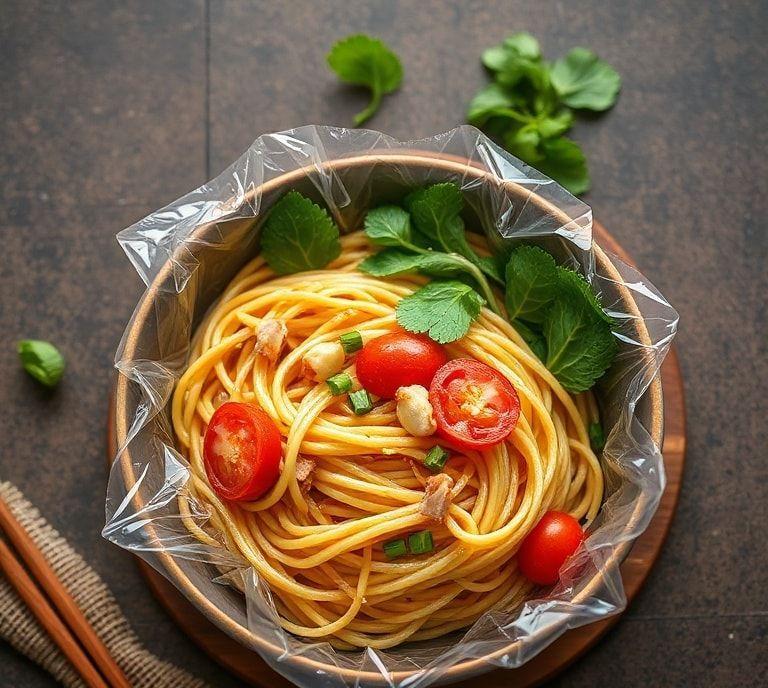
This recipe is a simple stir-fry, a one-pan wonder that’s both light and fulfilling. The beauty of cellophane noodles is how they absorb sauces, giving the dish an almost silky texture. You can toss in any combination of veggies that speak to you, from crunchy bell peppers to earthy mushrooms. You’re not tied to any one set of ingredients, which makes this dish incredibly customizable.
Ingredients Needed
For this dish, you’ll need a handful of straightforward ingredients that you can usually find at your local grocery store, or better yet, at an Asian market where the noodles are typically sold. Here’s what you’ll need:
- Cellophane noodles – About 4 ounces (this will usually be around a half a pack).
- Vegetable oil – For sautéing; I like using sesame oil for that deep, toasty flavor, but olive oil works just as well.
- Garlic – Two cloves, minced. Garlic is key to building that fragrant base.
- Fresh ginger – A small 1-inch piece, peeled and grated. Ginger adds such a fresh, zesty punch to the dish.
- Onion – One medium yellow onion, thinly sliced. It adds a subtle sweetness when caramelized.
- Bell peppers – I usually go with a mix of red and yellow for color and a slight sweetness, but use what you like.
- Carrot – One medium, julienned for that perfect balance of crunch and sweetness.
- Mushrooms – Button mushrooms or shiitake; they give the dish an earthy depth.
- Soy sauce – About 3 tablespoons, for that salty umami goodness. Feel free to adjust depending on how salty you like it.
- Rice vinegar – A tablespoon to give the dish some tang.
- Maple syrup or sugar – A little sweetness to balance the tang of the vinegar, around a teaspoon.
- Chili flakes – Optional, but they add a lovely heat that complements the other flavors beautifully.
- Fresh cilantro – For garnish at the end, bringing freshness to the rich, savory noodles.
Cooking Instructions
- Prep the noodles: Start by soaking the cellophane noodles in warm water for about 10 minutes. They’ll soften and become pliable, but be sure not to let them sit too long, as they can turn mushy. Drain and set them aside.
- Stir-fry the aromatics: Heat a large pan or wok over medium-high heat. Add about 1 tablespoon of vegetable oil (or sesame oil, if you have it). Once the oil is shimmering, toss in the garlic and ginger. Sauté them for about 1-2 minutes until the kitchen smells like heaven-fragrant, spicy, and comforting.
- Vegetables: Now, add the onions, bell peppers, carrots, and mushrooms to the pan. Stir-fry for another 4-5 minutes, until the vegetables are tender but still vibrant in color. You want them to maintain some crunch, so don’t overdo it.
- Sauce it up: In a small bowl, mix the soy sauce, rice vinegar, and maple syrup (or sugar). Pour this mixture over the vegetables, and let everything cook together for another 2-3 minutes.
- Toss the noodles: Add the soaked noodles to the pan, stirring them into the vegetables. You may need to add a touch more oil to help coat everything evenly. Toss everything together gently for another 2 minutes, allowing the noodles to absorb all those delicious flavors.
- Final touches: Taste and adjust seasoning. If you like a bit more tang, add a touch more vinegar. For sweetness, you can drizzle a little extra maple syrup. Sprinkle in some chili flakes if you like a kick. Garnish with fresh cilantro and serve immediately.
Ingredient Science Spotlight
I’ve always been fascinated by how each ingredient in a dish plays its part in creating something harmonious. Take the cellophane noodles, for instance. They’re made from mung bean starch, which gives them their transparent, glass-like appearance. But it’s not just about the look-they absorb liquids like a sponge, making them perfect for stir-fries and soups. The noodles have a neutral flavor, which allows them to take on the rich sauces and seasonings around them without overpowering the dish.
Then there’s the soy sauce, which provides umami, the fifth taste that adds depth and savoriness. This is balanced by the rice vinegar, which brings acidity to the dish, brightening everything up. The ginger and garlic are more than just flavor; they also help with digestion, making the dish feel light even though it’s deeply flavorful.
Expert Tips
- Don’t over-soak the noodles: If you let them soak for too long, they can become too soft and mushy. Aim for around 10 minutes in warm water, just until they’re pliable. A quick drain afterward is key.
- Go easy on the sauce: Soy sauce can be pretty salty, so it’s always a good idea to start with less and taste as you go. You can always add more, but you can’t take it out once it’s in the pan.
- High heat, fast cooking: Stir-frying is all about cooking things quickly over high heat. The goal is to keep your vegetables crisp-tender and your noodles perfectly coated with the sauce without them becoming soggy.
- Customize your vegetables: Feel free to use whatever veggies you have in your fridge. Zucchini, snow peas, or broccoli would all be great additions. The key is to have a mix of colors and textures to make each bite interesting.
Recipe Variations
- Add tofu: For a bit of protein, throw in some cubed firm tofu. I’d recommend pan-frying it first until it’s golden and crispy for the best texture.
- Noodle swap: If you can’t find cellophane noodles, you can use rice noodles or even spaghetti. They won’t have quite the same texture, but they’ll still work in a pinch.
- Add nuts: A sprinkle of crushed peanuts or cashews just before serving adds a wonderful crunch and a little bit of richness to the dish.
- Spice it up: If you love heat, you can swap the chili flakes for a fresh chopped chili or even some chili paste.
Final Words
This recipe is one of those dishes that proves how simple ingredients, when combined thoughtfully, can result in something absolutely delicious. The combination of fresh vegetables, the satisfying texture of the noodles, and the savory-sweet sauce makes for a meal that’s light but filling. It’s the kind of meal you can make any night of the week and still feel like you’re treating yourself to something special.
FAQs
What Are Cellophane Noodles, And Are They Suitable For A Vegetarian Diet?
Cellophane noodles, also known as glass noodles or bean thread noodles, are made primarily from mung bean starch or sometimes sweet potato or pea starch. They are naturally gluten-free and vegetarian-friendly, making them an ideal base for vegetarian recipes. They absorb flavors well, which allows them to complement a variety of sauces and vegetables.
How Do I Properly Cook Cellophane Noodles For A Vegetarian Stir-fry?
To cook cellophane noodles, first soak them in warm water for 10-15 minutes until they become soft and translucent. Drain thoroughly before adding them to a stir-fry. Avoid overcooking, as they can become mushy. In a vegetarian stir-fry, toss the softened noodles with sautéed vegetables, tofu, and a soy-based sauce for best results.
What Are Some Vegetarian-friendly Ingredients To Pair With Cellophane Noodles?
Cellophane noodles pair well with a variety of vegetables such as bell peppers, carrots, mushrooms, bok choy, and snow peas. Plant-based proteins like tofu, tempeh, or edamame complement the noodles. For seasoning, consider soy sauce, sesame oil, garlic, ginger, and chili flakes. Fresh herbs such as cilantro or green onions add a finishing touch.