I’ve always been a fan of simple, hearty dishes that can take you straight to comfort town. One of those dishes that holds a special place in my heart is Chinese fried rice. There’s something about the smoky aroma of rice sizzling in the pan that instantly transports me to cozy evenings, sitting around a kitchen table with family or friends.
Now, while the classic Chinese fried rice is often associated with a combination of meats like chicken, pork, or shrimp, I’ve come to appreciate a version that’s just as flavorful, yet completely plant-based: vegetarian Chinese fried rice. This version not only brings out the natural richness of the veggies, but it’s also incredibly versatile and satisfying. Plus, it’s a great way to use up leftover rice and whatever vegetables you have lingering in your fridge.
In this post, I’ll walk you through how to make the perfect vegetarian Chinese fried rice, with tips, tricks, and a little sprinkle of food science to make sure your dish turns out absolutely mouthwatering every single time.
Chinese Fried Rice Vegetarian Recipe
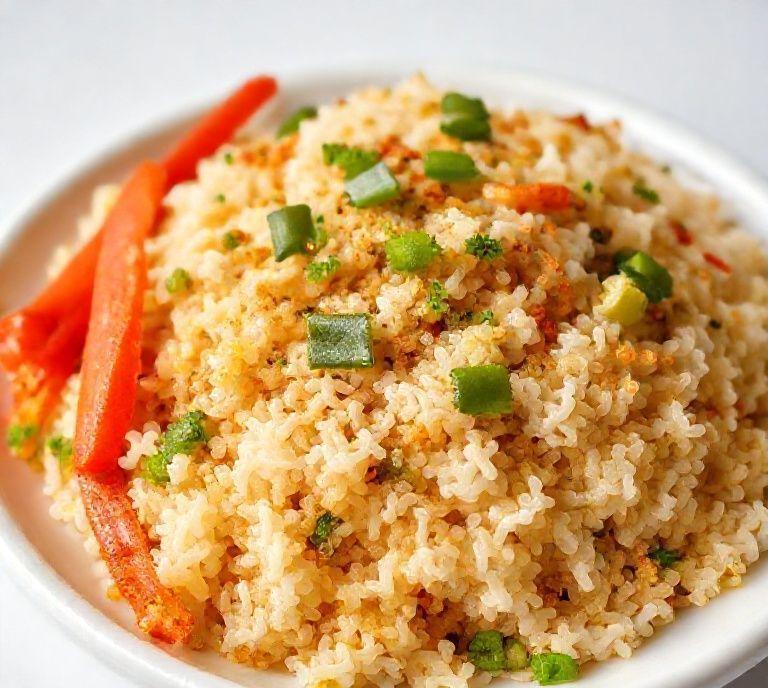
This vegetarian fried rice recipe brings together fresh, crunchy veggies and fluffy rice, all tied together with savory soy sauce and a hint of sesame oil. It’s a recipe that’s incredibly forgiving-you can use almost any vegetables you have on hand. And for those who like their fried rice extra spicy, there’s room to kick up the heat with a touch of chili sauce or sriracha.
Ingredients Needed
For the basic vegetarian Chinese fried rice, you’ll need just a handful of ingredients that you probably already have in your kitchen. Here’s the list:
- 2 cups cooked and cooled rice – The key here is to use leftover rice, which is drier and more resistant to becoming mushy when fried. Fresh rice works too, but it needs to cool down first.
- 2 tablespoons vegetable oil – A neutral oil like canola or sunflower works well, but if you want that authentic taste, go for sesame oil. It brings an amazing depth of flavor.
- 1 small onion, finely diced – For a touch of sweetness and a great base flavor.
- 2 cloves garlic, minced – Garlic is like the backbone of this dish. You’ll need it for that punch of aroma.
- 1/2 cup frozen peas – A classic in fried rice. They add a nice pop of color and sweetness.
- 1/2 cup diced carrots – These little cubes add crunch and a bit of earthiness.
- 1/2 cup corn kernels – Optional, but they add a bit of sweetness and bright color. (I like using frozen corn because it’s convenient and always on hand.)
- 2 eggs, lightly beaten – If you’re not vegan, eggs add richness and a creamy texture. If you are, just skip this step and consider adding some tofu instead.
- 2 tablespoons soy sauce – For that savory umami flavor.
- 1 tablespoon rice vinegar – A little acidity helps balance out the richness.
- 1 teaspoon sesame oil – To finish, this adds an unmistakable, deep nutty fragrance that makes all the difference.
- Green onions, sliced – For garnish, both for flavor and a pop of color.
Cooking Instructions
The beauty of fried rice lies in its simplicity, but there’s a little finesse required to get it just right. Here’s how to make it happen:
- Prepare the Rice: If you’re using leftover rice, just break up any clumps with your hands or a fork. Fresh rice can work in a pinch, but it needs to cool down completely to avoid that soggy mess. If you’re cooking rice from scratch, spread it on a baking sheet and let it cool for about 30 minutes before using it in the dish.
- Heat Your Wok: A wok is ideal for frying rice because of its shape, but a large skillet will work just fine. Heat your wok or pan over medium-high heat, and add the vegetable oil.
- Cook the Vegetables: Once the oil is hot, toss in the onions and sauté them until they become translucent-about 3-4 minutes. Then add the garlic, and cook for an additional 30 seconds until fragrant. Next, add the carrots, peas, and corn. Cook, stirring occasionally, until the veggies are tender but still crisp, about 5-6 minutes.
- Scramble the Eggs: Push the veggies to one side of the pan, then pour the beaten eggs into the empty side. Scramble them until just set, then mix them into the vegetables.
- Fry the Rice: Now, add the rice to the pan. Use a spatula or wooden spoon to break up any remaining clumps. Stir-fry for 3-4 minutes, ensuring the rice gets a bit of color and crispy bits.
- Add Seasonings: Pour in the soy sauce, rice vinegar, and sesame oil. Stir everything together to coat the rice evenly with the sauces. Taste it and adjust seasoning, adding more soy sauce or a dash of salt if needed.
- Finish with Green Onions: Right before serving, sprinkle the green onions on top. They add freshness and a hint of sharpness that elevates the dish.
Serve immediately and enjoy the savory goodness!
Ingredient Science Spotlight
Okay, so what’s going on behind the scenes in this dish? Let’s break it down a little:
- Rice: The main ingredient, right? The reason we use day-old rice (or cooled rice) is because it’s drier and starch has a chance to solidify. Fresh rice is too sticky and moist, which results in mushy fried rice. Leftover rice gives you that perfect texture that fries well in a hot pan, turning crispy in spots without becoming a gloppy mess.
- Soy Sauce: Soy sauce is essentially fermented, which means it’s packed with umami-the savory fifth taste that makes food delicious and satisfying. The amino acids in soy sauce enhance the flavor of the rice and vegetables, bringing everything together.
- Sesame Oil: This oil’s unique fragrance comes from toasted sesame seeds, which contain lignans. These compounds contribute to sesame oil’s deep, nutty flavor, which is released when heated. It’s a crucial finishing touch in fried rice, and it’s what makes this dish stand out from other stir-fries.
Expert Tips
- Use the Right Rice: The type of rice you use matters! Long-grain rice (like jasmine) is ideal because it doesn’t stick together as much as short-grain rice. You want each grain to be distinct in fried rice.
- Don’t Overcrowd the Pan: If you’re making a larger batch, it’s tempting to throw everything into one pan. However, overcrowding the pan can trap steam and make the rice soggy. If you’re doubling the recipe, cook in batches.
- High Heat is Key: Frying rice at high heat is crucial. You want that crispy texture that comes from quick frying, so make sure your pan is hot before adding the rice.
- Experiment with Veggies: Chinese fried rice is incredibly versatile. Swap in mushrooms, bell peppers, zucchini, or whatever you like. You could even throw in some tofu for added protein.
Recipe Variations
While this is a great base for vegetarian fried rice, there’s always room for creativity. Here are some ideas to personalize your dish:
- Add Tofu or Tempeh: For a protein boost, consider adding cubed, crispy tofu or tempeh. It soaks up the flavors wonderfully and adds texture.
- Spicy Fried Rice: Add chili paste or sriracha sauce for a spicy kick. You can also use chili flakes or fresh chopped red chilies if you prefer a more vibrant heat.
- Pineapple Fried Rice: For a fun twist, add chunks of pineapple to the mix. The sweetness balances out the savory soy sauce, creating a unique flavor profile.
Final Words
What I love about vegetarian Chinese fried rice is how adaptable it is. It’s not just a meal; it’s an opportunity to use up leftover vegetables or rice, and it’s a great way to show that even plant-based dishes can pack flavor. Whether you’re making it as a quick weeknight dinner or as a side dish for a larger spread, this recipe is bound to become a favorite in your home.
FAQs
What Ingredients Are Essential For Making Vegetarian Chinese Fried Rice?
The essential ingredients for making vegetarian Chinese fried rice include cooked rice (preferably cold), mixed vegetables like peas, carrots, and corn, soy sauce, garlic, green onions, eggs (optional for a vegetarian version), sesame oil, and a variety of seasonings like salt and pepper. You can also add tofu or tempeh as a protein source.
Can I Make Chinese Fried Rice Without Using Eggs?
Yes, you can easily make Chinese fried rice without eggs. Simply omit them and focus on adding additional protein sources such as tofu, tempeh, or even chickpeas. You can also enhance the flavor with more vegetables or plant-based protein to make the dish more filling.
How Can I Make The Best Vegetarian Chinese Fried Rice With Leftover Rice?
To make the best vegetarian Chinese fried rice with leftover rice, ensure that the rice is cold and slightly dried out. This prevents the rice from becoming mushy. Heat a wok or large skillet, add sesame oil, and sauté garlic and vegetables until tender. Then, add the rice, soy sauce, and any additional seasonings, and stir-fry on high heat for 3-4 minutes to achieve a crispy texture. Optionally, finish with a sprinkle of green onions and a drizzle of extra soy sauce.