Cooking, for me, is more than just following a recipe-it’s about taking time to be present and mindful, and there’s something almost meditative about the rhythm of chopping, stirring, and tasting. I remember the first time I tried making Chinese-style rice. It wasn’t from a recipe book; it was one of those spontaneous kitchen moments when you throw together ingredients you have on hand and just hope for the best. In that case, it turned out better than I could have imagined. Over time, I perfected my version of this simple, but flavorful dish. It’s a staple in my kitchen, especially for those days when I want something satisfying but don’t want to spend hours cooking.
So, if you’re looking for a quick, easy, and vegetarian take on a classic Chinese rice dish, you’ve come to the right place. This recipe is flexible, full of flavors, and packed with a variety of textures that make every bite exciting. Whether you’re a beginner or an experienced cook, this recipe will surely find a place in your culinary repertoire.
Chinese Rice Vegetarian Recipe
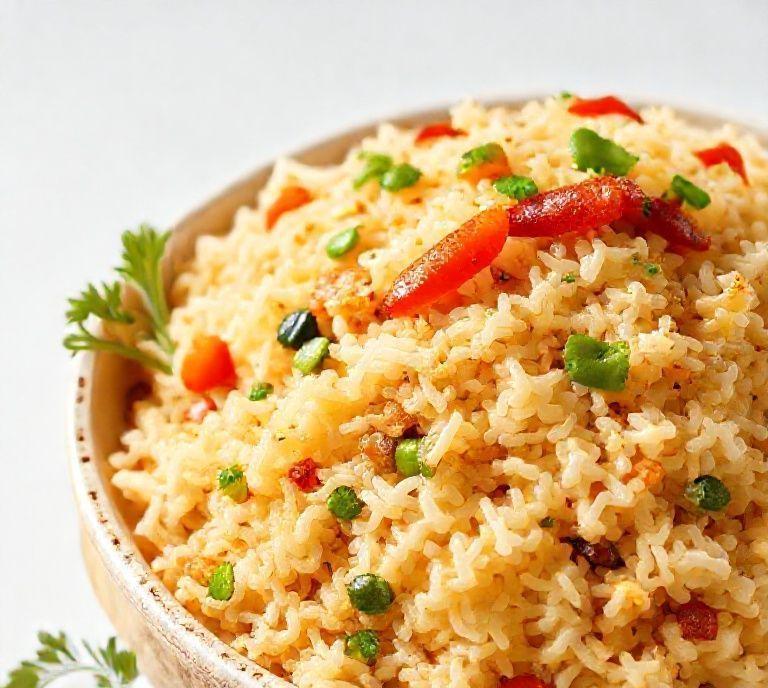
This Chinese-style rice recipe is a great go-to for anyone who enjoys savory, light dishes. It’s often served as a side, but with the right mix of veggies and seasoning, it stands strong as a main. The beauty of Chinese rice lies in its simplicity. It’s one of those dishes that doesn’t require fancy ingredients or elaborate techniques to taste extraordinary.
This recipe can be made entirely vegetarian, with the savory umami flavor coming from ingredients like soy sauce and sesame oil, which give the rice a depth of flavor that is both familiar and comforting. If you’re trying to make the dish lighter, feel free to skip the tofu or opt for a tofu substitute like tempeh. The highlight, though, is that you can play with the vegetables you use-mushrooms, carrots, peas, and bell peppers work perfectly, but you can really experiment.
Ingredients Needed
Let’s dive into the ingredients. One of the reasons this dish is so easy to pull off is that it’s made from pantry staples with a few fresh additions.
- Cooked Rice (preferably cold): The key here is to use day-old rice, as it helps in getting that perfect texture. Freshly cooked rice tends to be too sticky, whereas cold rice has the right texture to get that beautiful fried rice crunch.
- Soy Sauce: A must for giving the dish that deep, savory umami flavor. I prefer using low-sodium soy sauce to control the saltiness.
- Sesame Oil: This oil adds that distinct, nutty fragrance. A little goes a long way, so don’t overdo it.
- Tofu: I recommend firm tofu, which holds up well when stir-fried. It absorbs all the wonderful flavors and adds a little protein to the dish.
- Vegetables: This is where you can get creative. The usual suspects are bell peppers, peas, mushrooms, and carrots, but you can toss in whatever’s fresh in your fridge. I love adding baby corn and even a handful of spinach for a green burst.
- Ginger and Garlic: These two aromatic ingredients form the base of the dish and give it a punch of flavor.
- Green Onions: For garnish and a mild oniony crunch.
- Optional: A dash of chili sauce or red pepper flakes for some heat. You can also add a touch of hoisin sauce for sweetness, or even a squeeze of lime for brightness.
Cooking Instructions
Now, let’s break this down step-by-step. The beauty of this recipe is that it’s fast-perfect for those busy weeknights when you need something quick yet satisfying.
- Prepare the Tofu: Start by draining and pressing the tofu to remove excess water. Cut it into small cubes. Heat a non-stick pan with a little oil (vegetable or canola works best). Once the oil is hot, add the tofu and fry until it’s golden and crispy on all sides. This should take around 8-10 minutes. Remove the tofu from the pan and set it aside.
- Stir-Fry the Veggies: In the same pan, add a little more oil if needed. Toss in the garlic and ginger, and sauté them for about a minute until fragrant. Then add your vegetables, one by one, starting with the harder ones like carrots and ending with the softer ones like bell peppers. Stir-fry for another 5 minutes, ensuring the veggies are tender but still have a little crunch.
- Add the Rice: Now, it’s time to add the rice. Break it apart with a spatula and add it to the pan. Stir it in well, making sure every grain gets coated with the oil and veggies. Let it sit for a minute or two to get a little crispy. Add soy sauce, sesame oil, and any additional seasonings or sauces you like.
- Finish with Tofu: Finally, toss the fried tofu back into the pan with the rice. Stir it all together, and let everything heat through. Finish with a sprinkle of green onions, and if you like a little heat, throw in some chili flakes.
- Serve: The dish is ready to serve! If you want, you can top it with a fried egg or some chopped peanuts for extra texture. It’s delicious on its own or paired with a side of stir-fried greens.
Ingredient Science Spotlight
Let’s get into the science of some key ingredients, shall we? Understanding how ingredients work together not only helps make better food but also deepens the appreciation of every dish we cook.
- Rice: Rice is mainly composed of starch, which makes it absorb flavors so well. The reason cold, day-old rice works best for fried rice is that the starch has had time to firm up and separate, so it doesn’t clump together as much when stir-fried. Fresh rice is softer, making it harder to get that fried texture.
- Tofu: Tofu is made by coagulating soy milk, pressing it into solid blocks, and then draining the liquid. The result is a protein-packed food with a mild taste that absorbs whatever flavors you cook it with. The key is pressing it well, which removes excess moisture, making it easier to fry and crisp up.
- Sesame Oil: The secret to its flavor lies in the roasted sesame seeds from which it’s made. The oil contains compounds like lignans that provide a deep, nutty aroma. It’s a powerful addition, so a little goes a long way!
Expert Tips
- Cold Rice Is Key: As mentioned earlier, using cold, leftover rice is one of the best tips for making fried rice. It keeps the grains separate and gives you that sought-after texture.
- Don’t Overcrowd the Pan: If you’re making a large batch, be sure not to crowd the pan with too much rice at once. It will prevent the rice from getting crispy and result in a soggy texture. Work in batches if necessary.
- Use High Heat: Fried rice is meant to be cooked quickly at high heat. This allows the ingredients to retain their texture and flavors, creating that satisfying wok-charred flavor that makes Chinese fried rice so special.
Recipe Variations
This recipe is incredibly versatile. If you’re feeling adventurous or just want to use what you have on hand, here are some variations:
- Add Protein: You can switch out tofu for tempeh, seitan, or even chickpeas. For a non-vegetarian version, throw in some shrimp or chicken.
- Veggie Mix: If you’re craving a different veggie combo, go for baby corn, water chestnuts, or even diced zucchini.
- Spicy Kick: Add a touch of chili paste, chili oil, or finely chopped fresh chili to bring in a bit of heat. I like to throw in a little sriracha for a good balance of heat and tanginess.
Final Words
This Chinese rice recipe is one of those dishes that you’ll find yourself making over and over again. It’s simple, customizable, and packed with flavor. Plus, it’s quick to prepare, which makes it perfect for a weeknight dinner. You can make it as a satisfying side dish or a full meal, depending on how much protein and veggies you add.
FAQs
What Ingredients Are Essential For A Basic Chinese Vegetarian Rice Recipe?
A basic Chinese vegetarian rice recipe typically includes cooked rice, a variety of vegetables (such as carrots, peas, bell peppers, and corn), soy sauce, sesame oil, garlic, and ginger. Optional ingredients may include tofu or tempeh for added protein, along with green onions for garnish. Some recipes might also include additional seasonings like hoisin sauce, oyster sauce (vegetarian version), or Chinese five-spice powder.
Can I Use Any Type Of Rice For A Chinese Vegetarian Rice Recipe?
While white jasmine rice is commonly used in Chinese rice dishes due to its fragrance and texture, you can also use other types of rice such as brown rice for a healthier alternative or basmati rice for a different flavor profile. The key is to ensure that the rice is cooked and cooled before stir-frying, as this helps prevent it from becoming mushy.
How Can I Make Chinese Vegetarian Rice More Flavorful?
To enhance the flavor of Chinese vegetarian rice, consider adding umami-rich ingredients such as soy sauce, miso paste, or vegetarian oyster sauce. Garlic and ginger sautéed in sesame oil will add depth, while adding vegetables with distinct flavors like shiitake mushrooms or bok choy can elevate the dish. For an extra kick, a dash of chili sauce or crushed red pepper can be added. Garnishing with green onions or toasted sesame seeds also enhances both flavor and texture.