I remember the first time I tried vegetarian chow mein-it was during one of those late-night food binges when I realized that I could make something both hearty and healthy without having to sacrifice flavor. I’ve always had a soft spot for Chinese takeout, but when I started experimenting with cooking, I realized that I could craft the same comforting, savory flavors in my own kitchen. What I didn’t expect was how quickly this dish became one of my favorites. It’s simple, full of flavor, and as versatile as you want it to be.
Chow mein, with its stir-fried noodles, colorful vegetables, and bold seasonings, is like a blank canvas for creativity. And the best part? You don’t need to rely on meat to make it satisfying. In fact, this vegetarian version might even surprise you with its depth of flavor, leaving you craving it far more than that greasy takeout container.
So, let’s dive into how to make a vegetarian chow mein that’s just as delicious as the classic. It’s a dish you can whip up in no time and enjoy as a quick lunch, dinner, or even meal prep for the week. Ready to get started?
Chow Mein Vegetarian Recipe
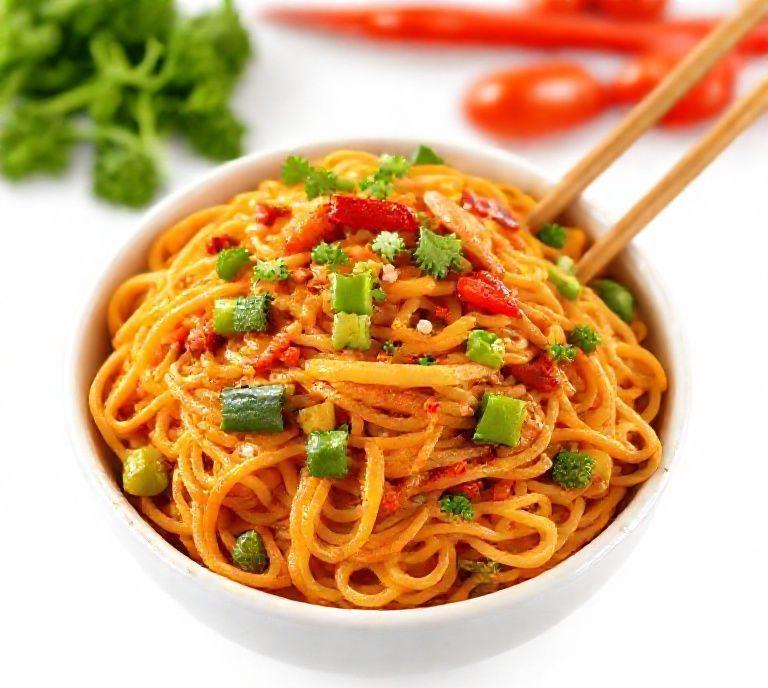
Making vegetarian chow mein isn’t just about swapping out the meat; it’s about using the right mix of vegetables and seasonings to give the dish that umami-rich, satisfying flavor you crave. Here’s my go-to recipe that I love to make whenever I want a comforting, veggie-packed dish.
Ingredients Needed
- Noodles: The heart of the dish. You can use fresh chow mein noodles, but if you don’t have them on hand, dry egg noodles or even ramen noodles will work in a pinch. Just make sure to cook them al dente so they don’t get mushy when stir-frying.
- Vegetables: A colorful mix of bell peppers, carrots, broccoli, and snap peas. These veggies hold up well in stir-fries, and their crunch adds a wonderful texture that complements the noodles.
- Garlic and Ginger: These two are the secret sauce to any stir-fry. Fresh garlic and ginger add a fragrant, zingy base to the dish, setting the stage for all the other flavors to shine through.
- Soy Sauce: This is the salty umami element. I like to use low-sodium soy sauce to keep it healthier but still pack in the flavor.
- Sesame Oil: This oil adds that distinctive, nutty taste that’s synonymous with Asian stir-fries. It’s not something you want to skip-just a little bit goes a long way.
- Rice Vinegar: A dash of rice vinegar adds a bright, tangy flavor that balances the savory richness of the soy sauce.
- Sugar: A touch of sugar helps round out the flavors and balances out the acidity from the vinegar and soy sauce. You can also use honey or maple syrup for a more natural sweetness.
- Tofu or Tempeh: I like to add tofu for a bit of protein, but tempeh is a great alternative if you prefer a firmer texture. Just make sure to press the tofu well to get rid of excess moisture before cooking.
- Green Onions: These add freshness and a mild onion flavor that lifts the dish without overpowering the other ingredients.
- Chili Sauce (optional): If you like a bit of heat, this is a great addition. A little goes a long way, so be careful not to overdo it unless you like it spicy.
Cooking Instructions
- Prepare the noodles: Start by cooking the noodles according to the package instructions. If you’re using fresh noodles, they should only take a few minutes. If using dry noodles, make sure to cook them until just al dente, as they will continue to cook when stir-fried.
- Prepare the tofu: If using tofu, press it for at least 15 minutes to remove excess moisture. Cut it into cubes. In a large skillet or wok, heat a tablespoon of oil over medium heat. Add the tofu and sauté it until golden and crispy on all sides, then remove it from the pan and set aside.
- Cook the vegetables: In the same pan, add a little more oil if needed. Throw in the garlic and ginger and sauté for about 30 seconds until fragrant. Then, toss in your vegetables-carrots, bell peppers, broccoli, and snap peas. Stir-fry them for about 3-4 minutes, or until they are tender but still crisp.
- Make the sauce: In a small bowl, whisk together the soy sauce, sesame oil, rice vinegar, sugar, and chili sauce if using. Adjust the balance to your taste, adding a little more vinegar for tanginess or sugar for sweetness.
- Combine everything: Add the cooked noodles to the vegetables, followed by the tofu. Pour the sauce over everything and toss gently to coat. Stir-fry for another 2-3 minutes until everything is heated through and the flavors meld together.
- Serve: Garnish with green onions and a sprinkle of sesame seeds if you like. Serve hot and enjoy!
Ingredient Science Spotlight
Now, let’s get into a bit of the science behind some of the key ingredients in this chow mein recipe. While most recipes focus on taste, understanding how the ingredients work together can make you a better cook.
- Noodles: When noodles are boiled and then stir-fried, they absorb flavors from the sauce. The surface of the noodles becomes coated with the seasonings and oils, giving you that satisfying, savory bite. They also have starch, which helps thicken the sauce slightly, creating a nice glossy finish.
- Tofu: The texture of tofu is often misunderstood. When pressed and cooked properly, tofu can be crisp on the outside and creamy on the inside. Its ability to absorb flavors makes it a perfect addition to dishes like this, acting as a canvas for the umami-rich sauce.
- Sesame Oil: The fats in sesame oil contribute to a rich mouthfeel, while the compounds in the oil-such as sesamol and sesamin-give it a unique flavor that enhances the other ingredients. Heat also brings out its nuttiness, which is why it’s so crucial to add it at the right point in the cooking process.
Expert Tips
- Do not overcook the vegetables: It’s easy to fall into the trap of cooking vegetables until they’re soft, but in a stir-fry, you want them to retain some crunch. This provides contrast against the soft noodles and tofu.
- Use a wok if you can: Woks are designed to cook quickly and at high heat, allowing the ingredients to sear and caramelize without turning soggy. A wide, heavy skillet will work too, but a wok really elevates the dish.
- Control the heat: When stir-frying, you want a high flame to quickly cook the ingredients. A lower flame will just steam the vegetables, and that’s not the effect you want.
- Make it ahead of time: Chow mein holds up well in the fridge and can even taste better the next day as the flavors continue to develop. If you’re meal prepping, just make sure to store it in an airtight container.
Recipe Variations
- Add Mushrooms: If you’re a fan of umami, mushrooms are a great addition. Shiitake, oyster, or button mushrooms all work wonderfully, adding a meaty texture to the dish.
- Swap out the tofu: If tofu isn’t your thing, tempeh is another great plant-based protein that has a firmer texture. You could also add edamame, chickpeas, or even a handful of roasted peanuts for some extra protein and crunch.
- Noodles: While I love using traditional chow mein noodles, you can use rice noodles for a gluten-free option. Just be sure to adjust the cooking time since rice noodles cook a bit faster.
- More spice: If you want to kick it up a notch, add a diced jalapeño or a drizzle of sriracha sauce to the stir-fry for extra heat. You could also sprinkle in some crushed red pepper flakes for a slower burn.
Final Words
Vegetarian chow mein is one of those dishes that’s easy to make but offers endless possibilities for customization. It’s the kind of meal that invites you to get creative and tailor it to your personal taste. Whether you like it extra spicy, loaded with vegetables, or with a rich, savory sauce, this recipe can be adapted to suit your cravings.
FAQs
What Ingredients Are Needed For A Vegetarian Chow Mein Recipe?
A typical vegetarian chow mein recipe requires the following ingredients: chow mein noodles (or any other stir-fry noodles), assorted vegetables such as bell peppers, carrots, cabbage, and mushrooms, garlic, soy sauce, sesame oil, ginger, and green onions. Some recipes may also include tofu or tempeh for added protein.
Can I Make Vegetarian Chow Mein Gluten-free?
Yes, you can make a gluten-free vegetarian chow mein by using gluten-free noodles. Rice noodles or gluten-free chow mein noodles are good alternatives to regular wheat-based noodles. Additionally, be sure to use tamari or gluten-free soy sauce as a substitute for regular soy sauce to avoid gluten.
How Can I Make The Vegetarian Chow Mein Spicier?
To add spice to your vegetarian chow mein, you can include ingredients like chili flakes, fresh chili peppers (such as Thai bird’s eye chilies), or a dash of sriracha sauce. You can also stir in chili paste or a small amount of hot sauce during the cooking process to adjust the level of spiciness to your taste.