There’s something undeniably comforting about a Cornish pasty. Its warm, flaky crust encasing a savory filling just makes it feel like home, whether you’re in Cornwall or somewhere far from the UK. The pasty, originally a miners’ lunch, has a storied history. And while the classic version-filled with beef, potatoes, onions, and swede (rutabaga)-is beloved, there’s also room to play with flavors. Today, I want to share a vegetarian twist on this iconic dish, one that still respects the spirit of tradition but adds a bit of fresh, plant-based flair.
When I first decided to try a vegetarian Cornish pasty, I was skeptical. Could it really hold up without the hearty beef filling? To my surprise, it turned out to be just as satisfying. The richness of roasted vegetables and the creaminess of a little cheese create a balance that rivals the original. The crust, always the star of any pasty, gets wonderfully golden and crisp, and every bite is a cozy, flavorful experience.
So, if you’re craving a hearty, handheld meal that’s a nod to both tradition and innovation, this vegetarian Cornish pasty recipe is for you.
Cornish Pasty Vegetarian Recipe
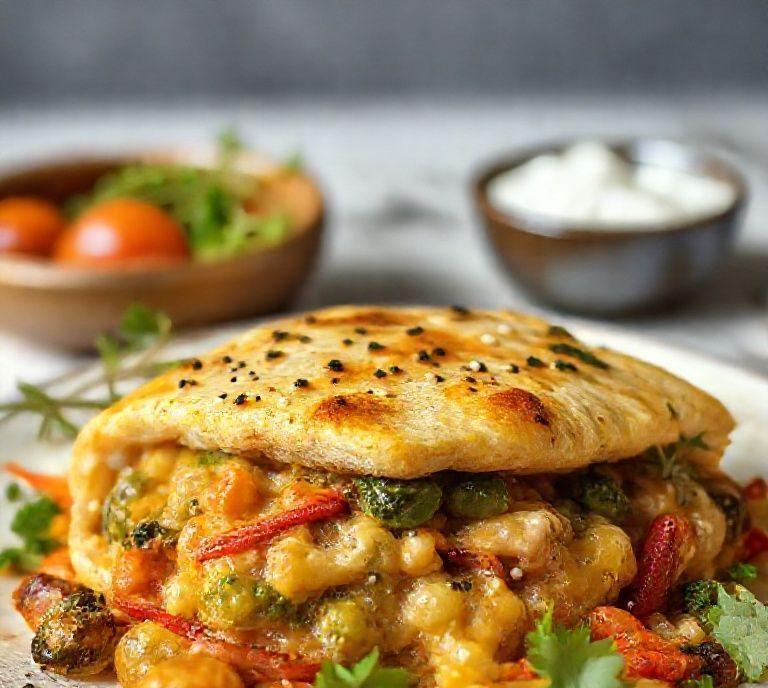
This vegetarian Cornish pasty recipe takes all the elements that make the original so fantastic and swaps out the meat for vegetables. Think of it as the kind of meal that will make you feel like you’re cozying up in a pub by the Cornish coast-even if you’re nowhere near the UK.
You’ll find layers of caramelized onions, roasted root vegetables like potatoes and parsnips, with a bit of cheese to bring it all together. The vegetables take on a depth of flavor that, I think, rivals any meat filling. And the pastry? Well, it’s everything you want in a handheld pie-crisp, flaky, and perfectly golden.
Ingredients Needed
To make a batch of vegetarian Cornish pasties, you’ll need:
For The Filling
- 2 medium potatoes (preferably waxy like Yukon Gold), peeled and diced
- 2 medium carrots, peeled and diced
- 1 parsnip, peeled and diced
- 1 medium onion, finely chopped
- 2 cloves garlic, minced
- 1 tbsp olive oil
- 1 tsp dried thyme (or fresh if you have it)
- 1 tsp dried rosemary
- Salt and pepper, to taste
- 100g cheddar cheese (or a vegan alternative if you prefer)
- A splash of vegetable broth or water to moisten
- Optional: 1/2 cup cooked lentils for added protein
For The Pastry
- 250g all-purpose flour (plus extra for dusting)
- 125g cold butter (or vegan butter), cubed
- 1/4 tsp salt
- 60-80ml cold water
For Brushing
- 1 egg (or non-dairy milk for a vegan option), beaten
Cooking Instructions
-
Make The Pastry
Start by sifting the flour into a large bowl, then add the salt. Cube your cold butter and rub it into the flour using your fingertips (or use a pastry cutter if you prefer) until the mixture resembles breadcrumbs. Don’t worry about being too perfect; a few pea-sized pieces of butter left intact will make for an even flakier crust.
Gradually add cold water, a little at a time, and mix until the dough just comes together. You might need a bit more or less water depending on the humidity. Once the dough is formed, wrap it in cling film and refrigerate for at least 30 minutes while you prepare the filling.
-
Prepare The Filling
Preheat your oven to 400°F (200°C). In a large roasting pan, toss your diced potatoes, carrots, parsnips, and onions with olive oil, thyme, rosemary, salt, and pepper. Roast in the oven for 25-30 minutes or until the vegetables are tender and slightly caramelized, giving them a great depth of flavor.
While the vegetables are roasting, sauté your garlic in a pan for a minute until fragrant, then set aside. Once the roasted vegetables are ready, combine them with the garlic, a splash of vegetable broth (or water), and cheese. If you want extra heartiness, mix in some cooked lentils. Taste for seasoning and adjust if necessary.
-
Assemble The Pasty
Roll out your chilled pastry on a floured surface until it’s about 3mm thick. Cut out circles using a plate or a large cookie cutter (roughly 6-8 inches in diameter). Place a generous spoonful of filling in the center of each circle. Be sure to leave enough room around the edges so you can fold the pastry over.
Carefully fold the pastry over the filling, creating a half-moon shape. Crimp the edges with a fork to seal them, then use a sharp knife to make a small slit on top of each pasty to let steam escape.
-
Bake
Place the pasties on a lined baking sheet, brush the tops with the beaten egg (or non-dairy milk), and bake for 35-40 minutes, or until golden and crisp. You might need to rotate the tray halfway through for even browning.
-
Serve
Let the pasties cool slightly before serving. They’re fantastic on their own or with a simple side salad for a complete meal.
Ingredient Science Spotlight
Let’s take a moment to talk about the science behind some of the key ingredients. First, the potatoes. The waxy variety, like Yukon Golds, is ideal for this recipe because they hold their shape when cooked, creating a satisfying texture that doesn’t turn mushy. Then there’s the cheese-cheddar adds richness and sharpness to balance the earthy sweetness of the root vegetables. The fat in the cheese also helps to enrich the filling and keep it moist.
But don’t forget about the pastry. The cold butter is essential to creating those flaky layers. As the dough bakes, the water in the butter evaporates, and the steam creates pockets in the dough, resulting in a tender, crisp crust. If you use a plant-based butter, you’ll get the same effect, but with a slightly different flavor profile.
Finally, the herbs-rosemary and thyme-play an essential role. Both herbs have aromatic oils that are released during roasting, giving the filling a warm, earthy aroma and flavor that complements the sweetness of the vegetables.
Expert Tips
- Rest the Dough: Don’t skip the resting time for the pastry dough. The flour needs time to fully hydrate, and the butter needs to chill again, which will make it easier to roll out and help achieve that flaky texture.
- Use Cold Ingredients: Always use cold butter and cold water for the dough. The colder the fat, the better the layers. It’s the secret to a crispy, melt-in-your-mouth crust.
- Double the Filling: If you’re making a big batch, double the filling and freeze any leftovers. They freeze wonderfully, so you can enjoy pasties on a busy day.
- Baking Sheet Lining: Line your baking sheet with parchment paper or a silicone mat. This will help prevent the pasties from sticking and ensure that they crisp up on the bottom.
- Sealing: Crimp the edges tightly, but don’t overstuff the pasty. It might be tempting to pile on the filling, but the pastry needs room to breathe, or it will leak during baking.
Recipe Variations
- Spicy Version: Add a touch of curry powder or smoked paprika to the filling for a different flavor profile. The warmth from the spices pairs beautifully with the earthy vegetables.
- Cheese Alternatives: Use a vegan cheese or leave it out altogether. A bit of nutritional yeast sprinkled on top can add a cheesy, umami flavor if you want a vegan option.
- Swap Veggies: This recipe is highly adaptable. If you don’t have parsnips, try swapping in sweet potato or butternut squash. Zucchini and bell peppers also work well, though you may want to sauté them first to reduce their moisture.
- Lentils or Mushrooms: For more protein, you can incorporate cooked lentils into the filling or swap some of the vegetables for mushrooms. The earthy flavor of mushrooms will bring a meaty depth to the pasty.
Final Words
Making Cornish pasties at home is such a satisfying experience. They’re a bit of work, sure, but the process is rewarding. There’s something about taking your time to assemble each pasty, knowing you’re about to enjoy a perfect little handheld pie. These vegetarian pasties are perfect for a cozy dinner, a packed lunch, or even as a party snack. You can make them ahead of time and freeze them, so they’re always ready for when hunger strikes.
Whether you stick to the classic filling or get creative with your own variations, the Cornish pasty remains a timeless dish that can be made your own.
FAQs
What Ingredients Are Typically Used In A Vegetarian Cornish Pasty?
A vegetarian Cornish pasty usually includes a combination of root vegetables such as potatoes, carrots, and swede (rutabaga), along with onions and sometimes leeks. Optional ingredients can include mushrooms, peas, or cheese for added flavor. The filling is seasoned with salt, pepper, and herbs like thyme or parsley, and encased in a shortcrust or puff pastry.
How Do You Ensure The Pastry Stays Crisp When Making A Vegetarian Cornish Pasty?
To keep the pastry crisp, use cold butter or margarine when making the dough, and avoid overworking it. Chill the dough before rolling it out, and ensure the filling is cool or at room temperature to prevent excess moisture. Blind-baking is not necessary, but brushing the pastry with a light egg wash or milk before baking can enhance the golden, crisp finish.
Can A Vegetarian Cornish Pasty Be Frozen And Reheated?
Yes, vegetarian Cornish pasties freeze well. To freeze, assemble the pasties but do not bake them, then wrap individually in plastic wrap and place in an airtight container or freezer bag. To cook from frozen, bake in a preheated oven at 200°C (400°F) for approximately 45-55 minutes, or until the pastry is golden and the filling is heated through.