Dim sum has always held a special place in my heart, like a warm memory tied to laughter and the clinking of chopsticks. For many, it’s not just food – it’s an experience. It’s the act of sharing small bites with friends or family, each dish carrying its own flavor and story. I remember the first time I had dim sum in a bustling Chinatown. The servers moved swiftly between tables, offering bamboo steamers brimming with delicacies, and I couldn’t help but feel like I was part of something much bigger than just a meal. The experience was like a dance of flavors, and it stayed with me long after I left the restaurant.
But here’s the thing: While I absolutely love the rich variety of traditional dim sum, I also wanted to experiment with a vegetarian version that could be just as satisfying. This recipe is the result of countless attempts to balance flavors, textures, and authenticity, all while keeping things meat-free. What you’ll find here is a dish that holds true to the spirit of dim sum while offering a lighter, plant-based alternative. It’s the perfect blend of crispy, soft, savory, and slightly sweet – a vegetarian delight that doesn’t compromise on taste.
Dim Sum Vegetarian Recipe
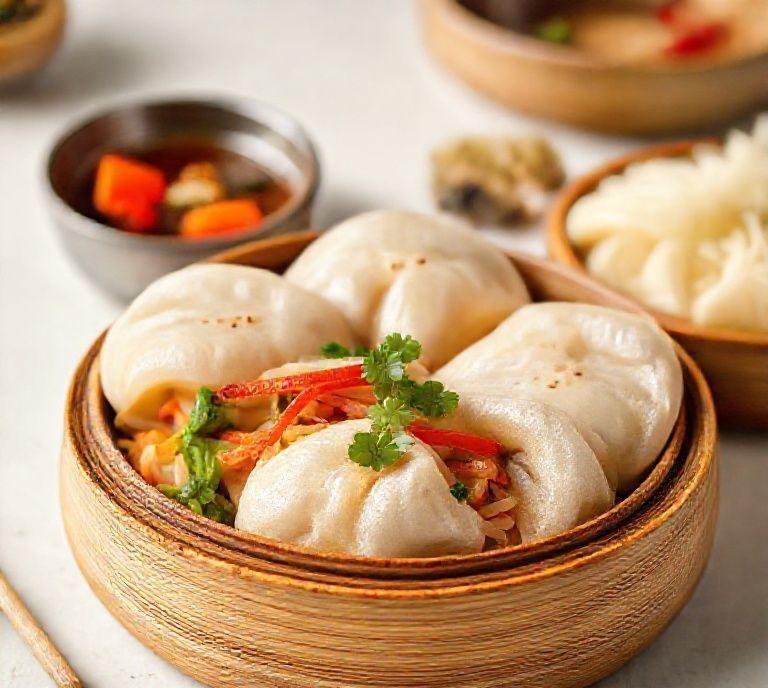
Now, before you think about the long list of ingredients and complex techniques that dim sum is often associated with, let me assure you – this vegetarian dim sum recipe is surprisingly approachable. No need to be intimidated by bamboo steamers or the delicate folding of dumplings. The beauty of this dish lies in its simplicity, where fresh, vibrant vegetables take center stage, creating a delicious balance of flavors.
I’ve chosen to make vegetable dumplings, but there are so many variations you can explore depending on what vegetables you have on hand. I often throw in mushrooms, carrots, and cabbage, but you can absolutely swap those out for other fresh, seasonal veggies. The goal is to have a filling that’s hearty, flavorful, and slightly savory. So, if you’re looking for a dish that’s both satisfying and simple, this one’s for you!
Ingredients Needed
The beauty of dim sum is that you don’t need a dozen hard-to-find ingredients to make it delicious. I’ve kept the ingredients list fairly simple, relying on what you probably already have in your pantry and fridge. Here’s what you’ll need for a batch of these vegetarian dim sum dumplings:
- Wonton wrappers – These are your base. If you can find vegan wrappers, great, but most wonton wrappers are vegetarian-friendly anyway. Look for thin, square wrappers for the perfect texture.
- Cabbage – I usually go for napa cabbage because it’s slightly sweeter and holds its shape well, but regular cabbage will work too.
- Shiitake mushrooms – These give the dumplings a rich umami flavor. You can also use other mushrooms, but shiitakes offer a depth of flavor that’s hard to beat.
- Carrots – Shredded, they add color, texture, and a subtle sweetness that balances the other ingredients.
- Green onions – For that fresh, sharp bite. They add a bit of zing to the dumplings.
- Garlic and ginger – Essential for that aromatic, flavorful punch.
- Soy sauce – You can use tamari for a gluten-free version, but soy sauce is a must to bring everything together.
- Sesame oil – A dash of this adds a nutty, slightly smoky flavor that will make your dumplings sing.
- Cornstarch – Just a bit to help thicken the filling and make it easier to handle.
- Salt and pepper – For seasoning, though you might want to adjust this based on how salty your soy sauce is.
Cooking Instructions
Once you have everything gathered, the process is actually quite simple and a lot of fun. Here’s how you’ll assemble your dim sum:
-
Prepare The Filling
Start by finely chopping the cabbage, mushrooms, and carrots. If you have a food processor, that’ll save you some time! Then, heat a little sesame oil in a large pan over medium heat. Add garlic and ginger and sauté until fragrant. Toss in the cabbage, mushrooms, and carrots, and cook until the vegetables soften, about 5-7 minutes. Add the soy sauce, green onions, and cornstarch to the pan, stirring to combine. Season with salt and pepper to taste. Once everything is nicely mixed and the filling has cooled slightly, it’s ready to be wrapped.
-
Wrap The Dumplings
Lay a wonton wrapper flat on a clean surface. Spoon about a tablespoon of the filling in the center. Dampen the edges of the wrapper with a bit of water, then fold it into a triangle or a square, depending on the style you like. Pinch the edges tightly to seal them. You can get creative here, making little pleats along the edges, or just keep it simple.
-
Steam The Dumplings
Line a bamboo steamer with parchment paper or cabbage leaves (to prevent sticking). Arrange the dumplings in a single layer, leaving a little space between each one. Steam the dumplings for 8-10 minutes, or until the wrappers are tender and the filling is heated through. If you don’t have a bamboo steamer, you can also steam the dumplings in a pot with a steaming rack or any kind of heatproof dish.
-
Serve
Serve your steamed vegetarian dim sum hot, with a dipping sauce on the side. I like a mixture of soy sauce, a splash of rice vinegar, and a drop of sesame oil. It’s simple but perfect.
Ingredient Science Spotlight
Let’s talk about the magic happening inside these little dumplings. The cabbage, for example, isn’t just there for crunch – when sautéed, it releases natural sugars, which creates a savory-sweet harmony. The mushrooms, particularly shiitakes, are packed with glutamates, compounds that enhance the umami flavor in a way that mimics meat. This is why even without any meat, these dumplings can taste so satisfying.
The addition of cornstarch to the filling might seem odd, but it’s a key player. It helps absorb any excess moisture from the vegetables and thickens the mixture, making it easier to handle and less likely to fall apart when you steam the dumplings. It also gives the filling a smooth, cohesive texture that complements the delicate wrapper.
Expert Tips
- Don’t overfill the dumplings: This is a common rookie mistake. If you pack the wrappers too full, they’re more likely to burst during cooking. A heaping tablespoon of filling is enough.
- Sealing the dumplings is key: Make sure the edges are sealed tightly to prevent any leakage during steaming. If you’re having trouble, try dipping your fingers in a little water to make sure the wrappers stick together.
- Control moisture: After chopping the cabbage, it’s a good idea to squeeze out any excess moisture before you cook it. This prevents the filling from becoming soggy and helps keep the dumplings crisp on the outside.
- Use fresh ingredients: The flavor of fresh vegetables really shines in this recipe. Try to use the best quality mushrooms, cabbage, and carrots you can find – it makes a difference.
Recipe Variations
One of the best parts about making your own dim sum is the flexibility. Want to try a different flavor? Here are some ways to customize the recipe:
- Add tofu: For a richer filling, crumble in some firm tofu to give the dumplings a protein boost.
- Try different vegetables: Swap out the mushrooms for baby spinach or even finely chopped broccoli. The beauty of this recipe is that you can go with whatever’s in season.
- Make it spicy: If you like a bit of heat, add chili flakes to the filling or a splash of chili oil to your dipping sauce.
- Deep fry instead of steam: If you’re craving that crispy texture, try frying your dumplings. Just heat a little oil in a pan and fry until golden brown. You’ll get a crispy, crunchy bite that’s irresistible.
Final Words
Cooking vegetarian dim sum is such a rewarding experience – it’s a blend of tradition and creativity, where each dumpling feels like a little handmade masterpiece. This recipe can be as simple or as elaborate as you want, and it’s a wonderful way to bring a little piece of Chinese culinary tradition into your kitchen. Whether you’re making it for a special occasion or just as a fun weekend project, these dumplings will be the star of the show.
FAQs
What Are Some Common Vegetarian Ingredients Used In Dim Sum Recipes?
Vegetarian dim sum recipes often use ingredients such as tofu, shiitake mushrooms, bamboo shoots, water chestnuts, napa cabbage, carrots, and glass noodles. Seasonings like soy sauce, sesame oil, ginger, garlic, and scallions help enhance the flavor. These ingredients provide texture and taste that mimic traditional meat fillings while keeping the dish entirely plant-based.
Can I Make Dim Sum Wrappers From Scratch For A Vegetarian Recipe?
Yes, dim sum wrappers can be made from scratch using simple ingredients such as all-purpose flour, water, and a pinch of salt. For dumplings, the dough is usually rolled thin, while for buns it may require a yeast-based dough for a softer, fluffy texture. Homemade wrappers allow control over thickness and texture, ensuring they complement the vegetarian fillings perfectly.
How Can I Steam Vegetarian Dim Sum Properly Without Making It Soggy?
To steam vegetarian dim sum without making it soggy, use a bamboo or metal steamer lined with parchment paper or cabbage leaves to prevent sticking. Make sure the water is boiling before placing the dim sum in the steamer, and avoid overcrowding. Steam in batches if necessary, keeping an eye on cooking time-typically 8-12 minutes for dumplings and 12-15 minutes for buns-so the wrappers remain tender but not overly wet.