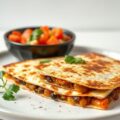
Dolma, a dish steeped in history and rich in culture, is one of those meals that bring together family, flavors, and a sense of tradition. It’s a dish that has traveled across regions, from the Middle East to the Mediterranean, taking on various forms and local twists along the way. At its core, dolma is all about filling vegetables or grape leaves with savory fillings. While many people associate it with meat, dolma in its vegetarian form is just as hearty, satisfying, and flavorful.
For me, dolma has always been one of those comforting dishes my grandmother would make when we visited her. I remember the smell of the rice and herbs filling her kitchen, the soft rustling of grape leaves being carefully stuffed, and the anticipation that built as we gathered around the table. It’s a dish that connects the past with the present, rooted in the flavors of the land, and I can’t help but feel that sense of continuity whenever I make it. So, let’s dive into a recipe that brings all of that to your table.
Dolma Vegetarian Recipe
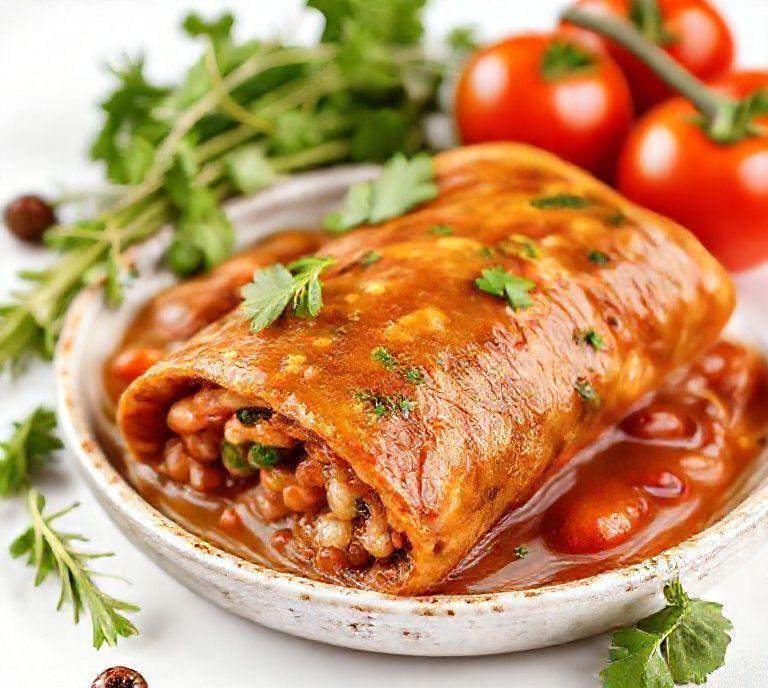
Dolma can be many things-a celebration of herbs, an ode to fresh vegetables, or a reminder that food is a canvas for creativity. In this vegetarian version, we’re going to embrace a blend of aromatic rice, fresh herbs, and tangy lemon, all wrapped up in the tender embrace of grape leaves. It’s a simple yet rich recipe that’s bursting with flavor.
Ingredients Needed
The beauty of dolma lies in its simplicity. You don’t need a lot of fancy ingredients to make it special. Here’s a list of what you’ll need:
- Grape leaves: About 40-50, fresh or jarred (if using jarred, be sure to rinse them well to remove excess brine).
- Rice: 1 cup of short-grain rice (this type of rice absorbs flavors well and stays tender).
- Onion: 1 medium onion, finely chopped (for a savory base).
- Garlic: 2-3 cloves, minced (because garlic is life).
- Tomatoes: 2 medium, finely diced (adds sweetness and moisture).
- Fresh herbs: A handful each of fresh parsley and dill, finely chopped.
- Olive oil: 2 tablespoons (olive oil just elevates everything, right?).
- Lemon: 1 large, juiced (and a couple of slices for garnish).
- Pine nuts: Optional, about 1/4 cup (for crunch and a nutty flavor).
- Salt and pepper: To taste.
- Water or vegetable broth: About 2 cups (for cooking the dolma).
- Cinnamon: A pinch (to bring a touch of warmth and earthiness).
Cooking Instructions
Making dolma can feel like an art form, but once you get the rhythm down, it’s surprisingly meditative. The process of stuffing each leaf, carefully rolling, and arranging them in the pot becomes something of a ritual. Here’s how you do it:
- Prepare the grape leaves: If using fresh leaves, blanch them briefly in boiling water to soften them. If they’re jarred, rinse them well to remove the brine. Set aside.
- Make the filling: In a pan, heat the olive oil and sauté the chopped onions until they’re soft and translucent. Add the garlic and cook for another minute, releasing that glorious aroma. Then, add the tomatoes, and cook until they break down and become saucy. Stir in the rice, herbs, pine nuts (if using), cinnamon, salt, and pepper. Pour in 1 cup of water or broth and let the mixture cook until the rice is about half done, about 7-10 minutes. The rice should still be a little firm because it will continue cooking in the leaves. Remove from heat and let it cool slightly.
- Stuff the grape leaves: Lay a grape leaf flat on a clean surface with the vein side up. Place about 1 tablespoon of the rice mixture near the stem of the leaf. Fold in the sides and roll it up tightly like a little burrito. Repeat with the remaining leaves and filling.
- Cook the dolma: Arrange the stuffed grape leaves tightly in a large pot, seam side down. Once the pot is full, pour the remaining vegetable broth or water over the dolma, just enough to cover them. Place a small plate on top of the dolma to keep them from unraveling during cooking. Bring the liquid to a boil, then lower the heat to a simmer and cook for about 40-45 minutes, or until the rice is fully cooked and the flavors meld together.
- Serve: Once done, drizzle with fresh lemon juice and a bit of olive oil. Garnish with lemon slices and additional herbs if desired.
Ingredient Science Spotlight
When you look at the ingredients that make up dolma, it’s easy to see why it’s a perennial favorite across so many cultures. Let’s dive into a couple of the key players:
- Rice: The humble rice in dolma absorbs all the flavors of the herbs, spices, and vegetables. When it cooks, it expands, taking on a soft, chewy texture that contrasts beautifully with the slight crunch of the grape leaves.
- Grape leaves: Grape leaves aren’t just a vessel for the filling; they also play a key role in the flavor profile. Their slight bitterness pairs beautifully with the herbs and the tang of lemon. Plus, they’re rich in antioxidants and have been used in various traditional dishes for centuries.
- Olive oil: A staple in Mediterranean and Middle Eastern cooking, olive oil adds a richness and depth of flavor that’s both heart-healthy and delicious. It also helps to create that glossy finish on the dolma.
Expert Tips
- Soften the grape leaves: Fresh grape leaves can be tough if not prepared properly. Blanching them in boiling water softens them and makes them easier to roll. If you’re using jarred leaves, make sure to rinse them thoroughly to get rid of the brine.
- Make ahead: Dolma actually gets better after a day or two, as the flavors continue to develop. It’s a perfect dish for meal prep or bringing to gatherings.
- Don’t overstuff: You want the dolma to be tightly rolled, but don’t overfill them. Leave enough space for the rice to expand as it cooks.
- Low and slow: When cooking your dolma, use low heat to ensure the rice cooks evenly and the leaves don’t burn. A simmer, not a boil, is key.
- Serve with a side of yogurt: For a cooling contrast, serve your dolma with a side of thick, creamy yogurt. It’s a traditional pairing that balances out the richness of the dolma perfectly.
Recipe Variations
The beauty of dolma is its versatility. You can play around with the ingredients based on what you have on hand or what flavors you’re in the mood for. Here are some variations to consider:
- Add feta: Crumbled feta cheese is a great addition to the rice mixture for a tangy, creamy flavor.
- Spicy twist: Add a touch of red pepper flakes or fresh chili to the filling for some heat.
- Rice alternatives: Swap out the rice for quinoa, couscous, or bulgur for a different texture and flavor profile.
- Stuffed vegetables: If grape leaves aren’t your thing, use bell peppers, zucchini, or eggplant as your vessel for the filling.
Final Words
Dolma is more than just a dish; it’s a connection to the earth, a celebration of fresh ingredients, and a way to share a meal with loved ones. Making dolma, especially in its vegetarian form, feels like preparing something timeless, something that has been passed down through generations. Whether it’s for a holiday meal, a weekend gathering, or just a cozy dinner, dolma brings a little bit of warmth and tradition to any occasion.
FAQs
What Ingredients Are Needed For A Vegetarian Dolma Recipe?
A vegetarian dolma typically requires grape leaves, rice, onions, tomatoes, parsley, dill, olive oil, lemon juice, garlic, and a variety of spices such as allspice, cinnamon, and black pepper. Some variations may also include nuts like pine nuts or almonds, and raisins for a touch of sweetness.
How Do I Prepare The Grape Leaves For Vegetarian Dolma?
To prepare the grape leaves for dolma, rinse them thoroughly to remove any brine or salt if using store-bought. If using fresh grape leaves, blanch them in boiling water for 2-3 minutes to soften them. Once prepared, carefully lay them flat on a surface to stuff and roll them.
Can I Make Vegetarian Dolma In Advance, And How Should They Be Stored?
Yes, you can make vegetarian dolma in advance. After rolling and cooking the dolmas, allow them to cool, then store them in an airtight container in the refrigerator for up to 3 days. For longer storage, you can freeze the dolmas before cooking and cook them directly from frozen when ready to serve.