There’s something about dumplings that feels like an invitation to unwind. The smell of steaming dough, the warmth of a perfectly seasoned filling, and the sense that you’re about to indulge in something comforting and wholesome. I remember the first time I made vegetarian dumplings-it wasn’t because I had a craving for them, but more of an accidental experiment. I’d been spending a rainy Saturday afternoon in the kitchen, scrolling through food blogs and wondering what I could create with the odds and ends in my fridge. Turns out, the answer was a batch of beautiful, delicate vegetarian dumplings.
What started as a small adventure ended up being an entire afternoon of joy. There was the satisfying sound of chopping vegetables, the thrill of folding dough, and, of course, the absolute delight of biting into the first dumpling, fresh from the pan. I loved the versatility of the filling, the ease of preparation, and the fact that they were so much healthier than their meaty counterparts. And that’s what I want to share with you-how easy and satisfying it is to prepare a batch of vegetarian dumplings that are not only delicious but full of fresh ingredients and customizable to your taste.
If you’ve ever wanted to make these little pockets of joy at home, let me guide you through the steps. Trust me, once you try your hand at them, you’ll be hooked. They’re that good.
Dumpling Filling Vegetarian Recipe
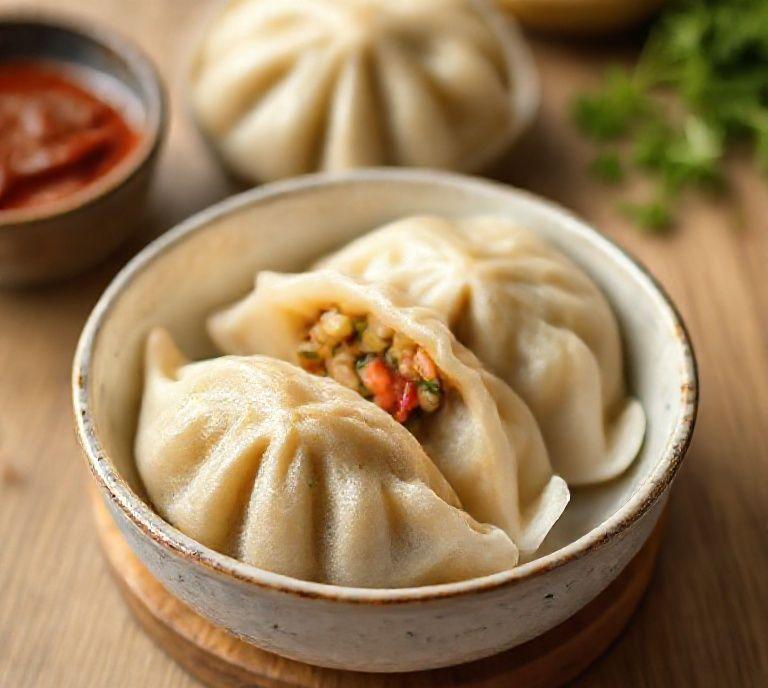
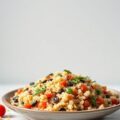
The beauty of vegetarian dumplings is that they can be filled with practically anything you can imagine. From a mix of hearty vegetables to rich mushrooms, tofu, or even fresh herbs, it’s a blank canvas. The best part? You can tailor the filling to match your own tastes. Here’s a recipe that I’ve found to be a perfect balance of flavors and textures, and it’s sure to please even those who typically lean towards meat-based dumplings.
Ingredients Needed
To make around 30 dumplings, you’ll need the following:
For The Filling
- 1 cup of finely chopped cabbage (green or napa)
- 1/2 cup of finely chopped mushrooms (shiitake or button mushrooms work best)
- 1/4 cup of grated carrots
- 1/2 cup of chopped tofu (firm, pressed to remove excess water)
- 2 tablespoons of chopped green onions
- 2 tablespoons of minced garlic
- 1 tablespoon of soy sauce (or tamari for a gluten-free version)
- 1 tablespoon of sesame oil
- 1 teaspoon of rice vinegar
- A pinch of freshly ground black pepper
- A pinch of sugar (this adds a touch of balance to the savory elements)
For The Dough
- 2 cups of all-purpose flour
- 3/4 cup of warm water (more if needed)
- A pinch of salt
For Cooking
- A few tablespoons of oil for pan-frying and steaming
Cooking Instructions
Step 1: Prepare The Dough
Start by making the dough, which is the foundation of any good dumpling. In a large bowl, combine the flour and salt. Gradually add the warm water, stirring until the dough begins to come together. You may need to add more water, but add it slowly-dough should be smooth and not too sticky. Knead it for about 8 minutes until it’s soft and elastic. Then, cover it with a damp towel and set it aside to rest while you make the filling.
Step 2: Make The Filling
Heat up a bit of sesame oil in a skillet over medium heat. Add the garlic and green onions, and sauté until fragrant. Toss in the cabbage, carrots, and mushrooms, cooking them down for about 5 minutes. You want the veggies to soften but not release too much water. Stir in the tofu, soy sauce, rice vinegar, black pepper, and a pinch of sugar. Let everything cool to room temperature before assembling the dumplings-this prevents the dough from becoming soggy.
Step 3: Assemble The Dumplings
Now for the fun part! Roll the dough into a log, and cut it into small pieces (about the size of a walnut). Roll each piece into a ball and flatten it into a circle. The goal is to make a thin wrapper, so be sure to roll them out evenly. Spoon about a tablespoon of filling into the center of each wrapper. Be careful not to overfill! Fold the dough over the filling, pinching the edges to seal them tightly. You can make pleats if you like, or just crimp the edges together.
Step 4: Cook The Dumplings
There are two ways to cook these dumplings: pan-frying and steaming. I love the crispy texture you get from pan-frying, so that’s my go-to method.
- Pan-Fry Method: Heat a little oil in a large non-stick skillet over medium heat. Place the dumplings in the skillet, making sure they don’t touch. Let them cook for about 2-3 minutes or until the bottoms are golden brown. Then, add a splash of water to the pan (about 1/4 cup) and immediately cover it with a lid to steam them for about 5-6 minutes. Once the water evaporates, remove the lid and let the dumplings crisp up again for an extra minute.
- Steaming Method: If you prefer steamed dumplings, simply place them in a steamer basket lined with parchment paper. Steam over boiling water for about 8-10 minutes or until the dumplings are tender and cooked through.
Ingredient Science Spotlight
Let’s take a moment to explore why this combination of ingredients works so well together. The cabbage is crunchy, yet it softens beautifully when cooked, while the mushrooms bring an earthy umami flavor. The tofu acts as a neutral base, absorbing the soy sauce and sesame oil for added flavor. The sesame oil is essential because it adds that rich, slightly nutty taste that ties everything together. Rice vinegar and a touch of sugar balance the savory profile, creating a dumpling filling that’s flavorful but not overwhelming.
Cabbage is also full of fiber and antioxidants, and mushrooms provide a good dose of B vitamins and minerals like selenium. Tofu is a plant-based protein that adds a creamy texture, and the sesame oil, rich in healthy fats, helps the ingredients come together in a harmonious, flavorful way.
Expert Tips
- Make Ahead: You can prepare the dumpling filling ahead of time and store it in the fridge for up to two days. Just make sure it’s cool before you start wrapping the dumplings.
- Freezing: Dumplings freeze incredibly well. After you assemble them, lay them out on a baking sheet, freeze them solid, and then transfer them to a freezer bag. When you’re ready to cook, you can pan-fry or steam them straight from frozen-just increase the cooking time by a couple of minutes.
- Flavor Boost: Add a teaspoon of ginger to the filling for an extra punch of freshness. You can also experiment with adding chili flakes or fresh herbs like cilantro to give them a twist.
- Consistency: If your filling feels too wet or loose, add a bit of cornstarch or breadcrumbs to help bind it together.
Recipe Variations
While this vegetarian filling is fantastic as is, there are so many ways to customize it to your tastes:
- Mushroom Variations: Swap out the mushrooms for other fungi like enoki or oyster mushrooms for a different texture and flavor profile.
- Add Greens: Spinach or bok choy would make a wonderful addition, especially if you’re craving something lighter and brighter.
- Noodles: For an unexpected twist, swap some of the filling for cooked noodles (like glass noodles or even thin udon) to make them more substantial.
- Spicy: If you love heat, add a bit of chili paste to the filling, or serve your dumplings with a spicy dipping sauce for that extra kick.
Final Words
Vegetarian dumplings are one of those dishes that feel like a little slice of joy in the kitchen. They’re an activity to share with friends or family, a project you can dive into on your own, or even something you prep on a quiet afternoon. And whether you make them from scratch or freeze a batch for later, they bring a sense of accomplishment each time you bite into one.
The versatility of the filling means you can adjust it however you like-whether you keep it light and fresh or load it up with savory layers of umami goodness. And don’t forget the joy of making them your own.
FAQs
What Are Some Common Ingredients For A Vegetarian Dumpling Filling?
A vegetarian dumpling filling typically includes vegetables such as cabbage, mushrooms, carrots, and spinach. Tofu or tempeh is often used for added protein, while ingredients like garlic, ginger, soy sauce, and sesame oil enhance flavor. Some recipes also include ingredients like glass noodles or bean sprouts for texture.
How Can I Make A Vegetarian Dumpling Filling More Flavorful?
To make a vegetarian dumpling filling more flavorful, consider using aromatics like garlic, ginger, green onions, and chili for heat. Adding a splash of soy sauce, rice vinegar, and sesame oil brings depth of flavor, while a touch of hoisin sauce or mushroom soy sauce can introduce a rich umami taste. Adjust seasoning with salt and pepper to taste.
Can I Make A Gluten-free Vegetarian Dumpling Filling?
Yes, it’s possible to create a gluten-free vegetarian dumpling filling. Simply ensure that all ingredients, like soy sauce and hoisin sauce, are gluten-free. For the dumpling wrappers, use gluten-free flour or pre-made gluten-free wrappers available at specialty stores. Fillings can remain the same or use gluten-free alternatives like tamari or rice noodles.