If you’re anything like me, there’s something irresistibly satisfying about the simplicity of a bowl of fried rice. It’s the dish I’ve always turned to when I want comfort food, but also need to keep things quick and easy. Whether it’s an impromptu weeknight dinner or a throw-together meal after a long day, fried rice never lets me down. The best part? It’s a canvas for creativity. While I usually go for the classic shrimp or chicken version, sometimes I crave a lighter, meatless option. That’s where this easy vegetarian fried rice recipe comes in.
This isn’t just any fried rice; it’s packed with fresh veggies, bright flavors, and a touch of umami. The simplicity of the dish doesn’t mean you’re skimping on taste. In fact, every bite is an explosion of flavor-whether you’re a vegetarian or just looking to cut down on meat, this recipe has you covered. It’s my go-to when I need something fast, flavorful, and satisfying.
Easy Fried Rice Vegetarian Recipe
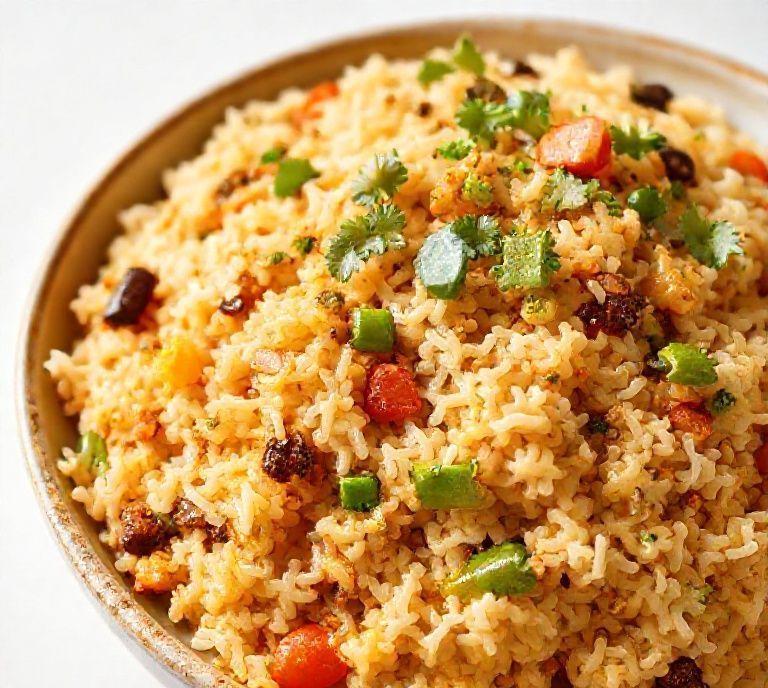
When you’re craving fried rice but want to keep things vegetarian, the possibilities are endless. This recipe is all about using what you already have in the fridge. The beauty of fried rice is that it’s one of those dishes where almost anything goes. You don’t have to follow a strict recipe. That being said, this version strikes a balance between classic fried rice flavors and fresh, vibrant veggies. It’s simple, but the flavors are anything but basic.
Ingredients Needed
Here’s what you’ll need for a delicious, easy vegetarian fried rice:
- 2 cups of cooked rice (preferably cold, day-old rice works best)
- 1 tablespoon vegetable oil (or any neutral oil you prefer)
- 1 small onion, diced
- 2 cloves garlic, minced
- 1 small carrot, peeled and diced
- ½ cup frozen peas (or fresh, if you have them)
- 2 eggs, beaten (for extra protein and richness)
- 2-3 tablespoons soy sauce (or tamari for a gluten-free version)
- 1 tablespoon sesame oil (optional but gives great depth of flavor)
- 1 teaspoon rice vinegar (for a little zing)
- 1-2 green onions, chopped (for garnish)
- Optional toppings: sriracha or chili flakes for heat, and a sprinkle of toasted sesame seeds
Cooking Instructions
- Prepare your rice: This is where the magic begins. Start by cooking your rice, if it’s not already made. Cold rice works best in fried rice recipes because the grains don’t stick together as much. If you don’t have leftovers, cook it ahead of time and let it cool for at least 30 minutes in the fridge.
- Get your veggies ready: In a large skillet or wok, heat the vegetable oil over medium heat. Add the diced onion and cook for 2-3 minutes until soft and translucent. Add the minced garlic and cook for another 30 seconds, making sure it doesn’t burn. Next, toss in the diced carrot and peas. Cook for about 5 minutes, stirring frequently, until the veggies soften but still have a nice bite.
- Scramble the eggs: Push the veggies to one side of the skillet. Pour the beaten eggs into the empty space. Scramble the eggs and cook until just set, then mix them in with the veggies.
- Fry the rice: Add the cold rice to the skillet. Use a spatula to break apart any clumps. Stir everything together, making sure the rice gets evenly coated with the oil and mixes with the veggies and eggs. This step is where the frying action happens, so let the rice get a little crispy in some spots.
- Season: Drizzle the soy sauce, sesame oil, and rice vinegar over the rice. Stir to combine. Taste and adjust the seasoning-if you like it saltier, add more soy sauce; if you like it tangy, a little more vinegar will do the trick.
- Garnish and serve: Once everything’s nicely mixed, remove the pan from the heat. Garnish with chopped green onions, and if you’re feeling a bit adventurous, add some chili flakes or sriracha for a spicy kick. Serve hot and enjoy!
Ingredient Science Spotlight
Let’s take a quick dive into why each of these ingredients works so well together.
- Rice: The key to great fried rice is the rice itself. Freshly cooked rice tends to clump together when stir-fried, which is why using day-old rice is so important. The grains are firmer and less sticky, giving you that crispy texture on the edges you’re looking for. It’s the rice’s starch that helps create the ideal balance of softness and bite.
- Soy Sauce: Soy sauce brings an umami richness to fried rice, which is essential for adding depth of flavor without using meat. The saltiness from the soy sauce also helps to bring out the natural sweetness of the vegetables, like the onions and carrots.
- Sesame Oil: This is one of those ingredients that transforms a dish. A small amount of sesame oil adds a toasty, nutty flavor that you won’t find in any other oil. It’s also what gives fried rice its signature fragrance.
- Eggs: Eggs contribute both richness and texture. They bind everything together while adding a creamy element that balances the other flavors. Plus, they’re a great source of protein.
Expert Tips
- Use a wok or large skillet: A wok is ideal for fried rice because of its high sides and even heat distribution. However, a large skillet will also work just fine. Just make sure there’s enough surface area for the rice to fry without overcrowding.
- Cold rice is a must: As mentioned, day-old rice is your best friend. If you’re in a rush and don’t have leftovers, spread freshly cooked rice on a baking sheet and pop it in the fridge for about 30 minutes to cool down.
- Keep the heat high: Don’t be afraid to turn up the heat while frying the rice. High heat is key to getting that crispy, slightly caramelized edge that makes fried rice so addictive. Just be careful not to burn it!
- Add more veggies: Don’t be afraid to get creative with the vegetables. You can add bell peppers, mushrooms, spinach, or even zucchini-anything that pairs well with the savory flavors of soy sauce.
Recipe Variations
The beauty of fried rice is how versatile it is. You can change up the ingredients based on what you have on hand or your taste preferences:
- Add tofu: For extra protein, cube some firm tofu and pan-fry it before adding it to the rice. It’s a great meat alternative and adds a wonderful texture.
- Mushrooms: For a savory, earthy twist, throw in some sliced mushrooms. They’ll absorb the flavors of the soy sauce and sesame oil beautifully.
- Spicy Fried Rice: If you like heat, add some diced fresh chilies or a splash of sriracha to the mix. You can also garnish with chili flakes or a drizzle of chili oil for extra spice.
- Fried Rice with Pineapple: This version takes on a sweet and savory profile. The caramelized sweetness of the pineapple pairs perfectly with the savory soy sauce.
Final Words
Vegetarian fried rice is one of those dishes that proves how satisfying simplicity can be. It’s flexible, quick to make, and works with whatever you have in the fridge. And even though it’s vegetarian, it’s hearty enough to be a main course on its own, not just a side dish.
Plus, there’s something about the combination of crispy rice, fresh veggies, and a touch of soy sauce that always feels like a hug in a bowl. Whether you make it your own or follow this recipe to the letter, it’s sure to become a go-to in your kitchen.
FAQs
What Ingredients Are Needed For An Easy Fried Rice Vegetarian Recipe?
To make an easy vegetarian fried rice, you will need cooked rice (preferably day-old for better texture), a mix of vegetables like carrots, peas, bell peppers, and green onions, soy sauce, garlic, sesame oil, and optionally scrambled tofu or egg for added protein. You can also include seasonings like ginger, salt, and pepper to taste.
Can I Use Any Type Of Rice For A Vegetarian Fried Rice Recipe?
Yes, you can use any type of rice, but jasmine or basmati rice is often preferred for its fragrance and texture. It’s best to use day-old rice as it is drier and less sticky, which helps achieve the desired texture in fried rice. Fresh rice may become mushy when frying.
Is It Possible To Make A Vegan Version Of Easy Fried Rice?
Yes, you can make a vegan version by simply omitting eggs and using plant-based alternatives like tofu or tempeh for protein. Use vegetable-based soy sauce or tamari, and avoid adding any non-vegan ingredients like butter. Sesame oil adds a nice flavor and is vegan-friendly.