When the weather warms up and you’re craving something light but satisfying, a pasta salad is always the go-to dish. It’s the perfect combination of fresh vegetables, pasta, and a tangy dressing that’s both refreshing and filling. Pasta salad is one of those dishes that feels like a comforting hug in a bowl, but without the heaviness. It’s ideal for picnics, barbecues, or just a simple weeknight dinner. And best of all? It’s a total crowd-pleaser.
But not all pasta salads are created equal, and if you’re someone who enjoys making meals that are both tasty and nutritious, then a vegetarian version of this classic is the way to go. It’s a great way to load up on veggies and still feel like you’re indulging in something hearty. Plus, it’s an easy dish to throw together for any occasion. This vegetarian pasta salad recipe is packed with flavor, vibrant colors, and, honestly, a little bit of nostalgia. I still remember my first pasta salad at a summer barbecue when I was a kid-the taste of the creamy dressing mixed with the crunch of fresh veggies. It was like magic in every bite.
Easy Pasta Salad Vegetarian Recipe
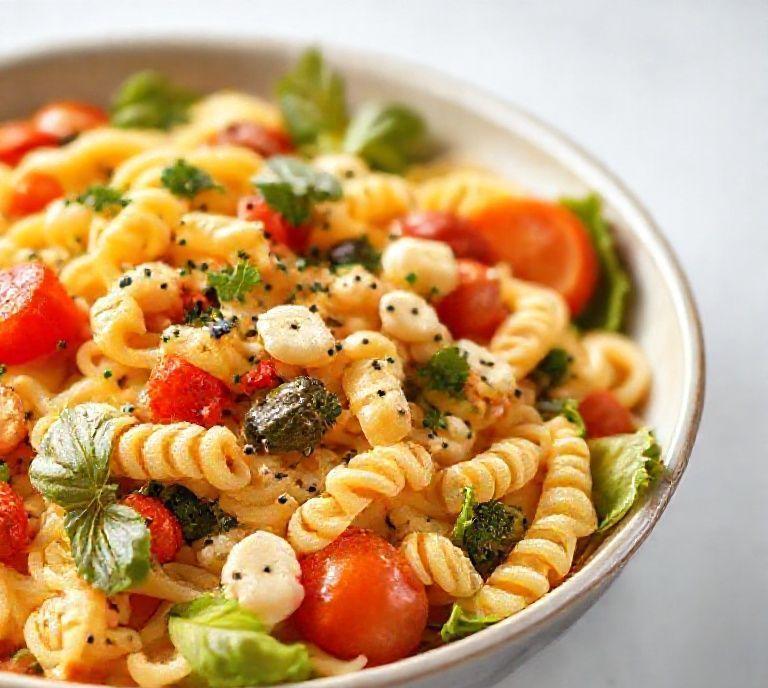
So, if you’re ready to take your pasta salad game to the next level, here’s a simple recipe that will make your taste buds dance. Trust me, you don’t need to be a five-star chef to make this, and the results are just as satisfying as if you had spent hours in the kitchen. Plus, it’s a versatile recipe, so you can easily adjust it to suit your personal preferences.
Ingredients Needed
- 1 lb (450g) pasta (penne, rotini, or farfalle work best)
- 1 cup cherry tomatoes, halved
- 1 cucumber, diced
- 1 bell pepper, diced (red, yellow, or orange for more color)
- 1/2 red onion, thinly sliced
- 1/2 cup black olives, sliced
- 1/4 cup fresh parsley, chopped
- 1/2 cup feta cheese, crumbled (optional for a little tang)
- 1/4 cup extra virgin olive oil
- 2 tbsp red wine vinegar
- 1 tbsp Dijon mustard
- 1 clove garlic, minced
- Salt and pepper to taste
- 1 tsp dried oregano or Italian seasoning
Cooking Instructions
- Boil the pasta: Start by bringing a large pot of salted water to a boil. Add the pasta and cook according to the package instructions until al dente. Be careful not to overcook it; you want the pasta to hold up well once the dressing is added. Drain the pasta and rinse it under cold water to stop the cooking process and cool it down quickly. This is key in preventing your pasta from becoming mushy.
- Prepare the veggies: While your pasta is cooking, take the time to chop up all the veggies. I love a combination of tomatoes, cucumbers, and bell peppers for their crunch and sweetness. The red onions add a bit of sharpness, and the olives bring that salty, briny bite that balances everything out perfectly. I always recommend slicing your veggies small enough to get a little bit of everything in each bite.
- Make the dressing: In a small bowl, whisk together the olive oil, red wine vinegar, Dijon mustard, minced garlic, oregano, and a pinch of salt and pepper. Taste the dressing and adjust as needed. I like a tangier dressing, but you can add more oil if you prefer something a bit more mellow.
- Assemble the salad: In a large mixing bowl, combine your cooled pasta and chopped veggies. Drizzle the dressing over the top, and toss everything gently to coat. If you’re using feta cheese, add it in at this point and give everything one last toss.
- Chill and serve: For the best flavor, let the salad chill in the fridge for at least 30 minutes to allow the dressing to soak into the pasta and veggies. If you’ve got the time, even longer is better. This is also a great dish to make ahead, as the flavors get better as they marinate. Serve cold, and enjoy!
Ingredient Science Spotlight
Each ingredient in this salad serves a purpose, not just for flavor, but for texture and balance. Let’s break down a few highlights:
- Pasta: The foundation of your salad. It’s neutral in flavor but adds a chewy texture that absorbs the dressing, helping it to distribute evenly across the veggies. When choosing your pasta, opt for one with ridges (like rotini) or one with a bit of bite (like penne) to help hold onto the dressing and vegetables.
- Olives: These tiny little bites of saltiness add depth to the salad. They’re more than just an extra-olives are rich in healthy fats, which help balance out the vinegar’s acidity and the pasta’s starchiness. Plus, they just taste great.
- Feta Cheese: This crumbly cheese brings a tangy, creamy contrast that elevates the other ingredients. It’s salty but light enough not to overwhelm the dish. If you’re avoiding dairy, you can leave it out or swap it for a non-dairy alternative.
- Vinegar & Mustard: The tangy combo of red wine vinegar and Dijon mustard creates the acidic backbone for the dressing. Acidity cuts through the richness of the olive oil and balances the sweetness of the veggies. Mustard also adds a bit of a kick that rounds out the flavor profile.
Expert Tips
- Don’t overcook the pasta: I can’t stress this enough! Undercooking the pasta by just a minute or two will help it hold up better in the salad and keep it from turning mushy when combined with the dressing.
- Make it ahead: Pasta salads are one of those dishes that get better with time. If you can, make the salad a few hours before serving, or even the day before. It gives the dressing more time to marinate into the pasta and veggies, enhancing the flavor.
- Use fresh herbs: Fresh parsley brings a burst of color and brightness, but feel free to experiment with basil, dill, or even mint for a different twist. Fresh herbs can completely change the vibe of the dish, so play around with what you have available.
Recipe Variations
There are countless ways to make this pasta salad your own, depending on what you have in your kitchen or what flavor profile you’re going for. Here are a few suggestions:
- Add roasted veggies: If you’ve got leftover roasted zucchini, eggplant, or sweet potatoes, toss them in! Roasted vegetables add a smoky flavor and depth that will elevate the salad.
- Try different cheeses: If feta isn’t your thing, go for goat cheese, mozzarella pearls, or even a sharp cheddar for something a little richer.
- Swap in different pasta shapes: While rotini and penne are great, farfalle (bowtie pasta) or orecchiette (little ears) can be a fun way to switch things up. Pasta shapes can influence both the texture and the presentation.
- Add protein: You can easily make this more filling by adding chickpeas, grilled tofu, or even a handful of roasted nuts like almonds or pine nuts for some crunch and protein.
Final Words
The beauty of this vegetarian pasta salad is that it’s not just a recipe-it’s a blueprint for creativity. You can make it as simple or as complex as you want. The key is to find the right balance of flavors and textures that make you happy. Whether you’re serving it for a group of friends at a BBQ or packing it for a work lunch, this pasta salad will definitely become a favorite.
FAQs
What Are The Basic Ingredients Needed For An Easy Vegetarian Pasta Salad?
The basic ingredients for a vegetarian pasta salad typically include pasta (such as rotini, penne, or farfalle), fresh vegetables like cucumbers, cherry tomatoes, and bell peppers, olives, and a dressing made from olive oil, vinegar, lemon juice, or a store-bought Italian dressing. Optional ingredients may include cheese (like feta or mozzarella), herbs (like basil or parsley), and spices (like garlic or oregano).
Can I Make A Vegetarian Pasta Salad Ahead Of Time?
Yes, you can make a vegetarian pasta salad ahead of time. In fact, letting the salad sit for a few hours or overnight in the refrigerator allows the flavors to meld together. Just make sure to store the salad in an airtight container to maintain freshness. If using ingredients like leafy greens or cheese, you may want to add them just before serving to prevent wilting or sogginess.
How Can I Customize A Vegetarian Pasta Salad To Fit Specific Dietary Needs?
You can easily customize a vegetarian pasta salad to meet dietary preferences or restrictions. For gluten-free diets, use gluten-free pasta. To make it vegan, omit any dairy-based ingredients like cheese or use a dairy-free dressing. You can also add protein sources such as chickpeas, tofu, or tempeh for a more filling salad. Adjust the dressing to suit your taste, opting for options like tahini or avocado-based dressings for a different flavor profile.