I’ve always believed that some of the best meals are the ones that come together effortlessly, with ingredients you already have lying around. Life gets busy, and the last thing you want to do after a long day is deal with a complicated recipe. But what if I told you that you could whip up a satisfying, healthy, and flavorful meal in under 30 minutes without breaking a sweat? Enter the humble stir-fry.
Stir-fries are one of those magical dishes that allow you to toss almost anything into a pan and come out with a dish that’s both delicious and nutritious. And the beauty of a vegetarian stir-fry? You get to enjoy a vibrant medley of vegetables, bursting with different textures and flavors, all while keeping things light and wholesome. I remember the first time I tried a veggie stir-fry in college. I was living in a small apartment with a pretty basic kitchen setup-basically a stove, a fridge, and a few mismatched pots. But that dish was a revelation. So simple, yet so full of flavor. It stuck with me, and now, I’ve honed a recipe that’s become my go-to when I’m craving something quick, healthy, and satisfying.
Let’s dive in, shall we?
Easy Stir-fry Vegetarian Recipe
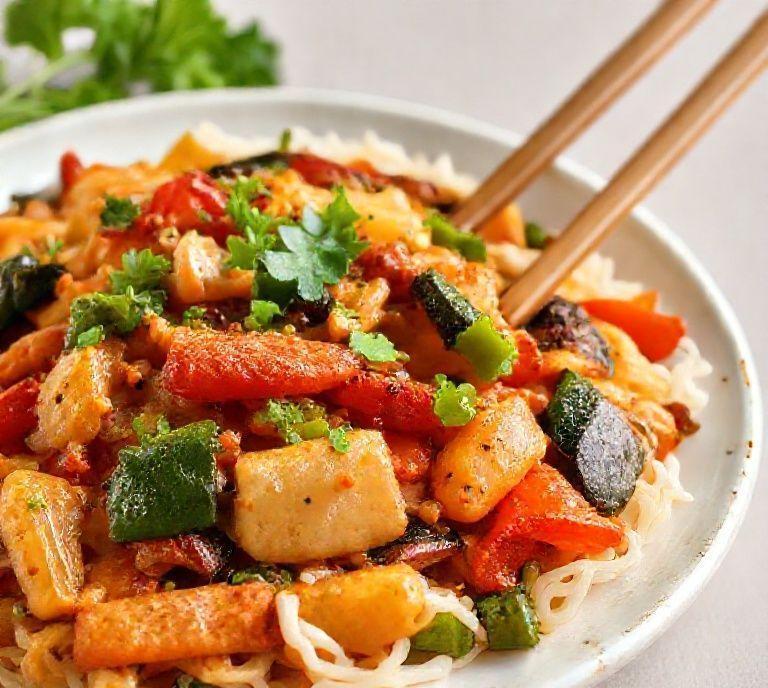
This stir-fry is a one-pan wonder. It’s versatile enough to accommodate whatever veggies you’ve got in the fridge, and the best part? It’s ready in a flash. I’ve kept the recipe simple yet full of flavor, but feel free to get creative with it.
Ingredients Needed
- 1 tablespoon sesame oil (or any oil you prefer, but sesame adds a nice touch)
- 1 onion, thinly sliced
- 2 cloves garlic, minced
- 1 bell pepper, thinly sliced
- 1 zucchini, cut into half-moons
- 1 carrot, julienned or sliced thin
- 1 cup broccoli florets
- 1 cup mushrooms, sliced
- 1/2 cup snap peas (optional, but they add a nice crunch)
- 2 tablespoons soy sauce or tamari for a gluten-free option
- 1 tablespoon rice vinegar or lemon juice
- 1 tablespoon hoisin sauce (optional, but it adds depth)
- 1 teaspoon ginger, minced (fresh is best, but ground works too)
- A handful of chopped green onions (for garnish)
- A sprinkle of sesame seeds (optional, but a nice finishing touch)
Cooking Instructions
- Prep the Veggies: The key to a great stir-fry is having everything prepped and ready to go before you start cooking. Stir-fries move fast, so you don’t want to be scrambling to chop veggies halfway through. Trust me on this one-save yourself the stress.
- Heat the Pan: In a large skillet or wok, heat the sesame oil over medium-high heat. Once it’s nice and hot, add the onion and garlic. Sauté them for about 2 minutes until they’re fragrant and soft. The scent of garlic cooking in oil is always a good sign. You’ll know it’s the right time to start adding your veggies.
- Add the Veggies: Start with the vegetables that take a little longer to cook. Toss in the carrots, bell pepper, and broccoli. Stir-fry them for about 5 minutes, keeping them moving around the pan to ensure they cook evenly.
- Add the Mushrooms and Zucchini: After the initial 5 minutes, add the mushrooms, zucchini, and snap peas if you’re using them. Stir-fry for another 3-4 minutes until the mushrooms soften and the zucchini just starts to get tender.
- Add the Sauces: Once all the veggies are cooked to your liking, pour in the soy sauce, rice vinegar (or lemon juice), hoisin sauce, and minced ginger. Stir everything together to coat the veggies in the sauce. You’ll notice the sauce starts to thicken slightly, and the veggies take on a nice glossy sheen.
- Finish and Garnish: Once everything is cooked and coated in that savory sauce, remove the pan from the heat. Toss in the green onions and sprinkle with sesame seeds for that extra bit of flair. If you’re feeling fancy, you can even serve it over a bed of rice or noodles.
Ingredient Science Spotlight
One of the things I love most about stir-fries is how they play with textures. The soft, tender mushrooms contrast beautifully with the crunchy snap peas, and the slightly charred edges of the broccoli bring out a deep flavor that makes each bite interesting.
But beyond the textures, each ingredient in this stir-fry serves a specific purpose. Take, for example, the ginger. This little root is often the unsung hero in many stir-fry recipes. It has natural anti-inflammatory properties and aids in digestion, making it not just a flavor powerhouse but also a digestive ally. The garlic and onions, too, work their magic beyond just flavor-they contain compounds that have been linked to immune-boosting and heart health benefits.
And the sesame oil? It’s rich in healthy fats, particularly omega-6 fatty acids, which can help reduce inflammation. Plus, that nutty flavor it imparts is just…irreplaceable. Every ingredient in this stir-fry is there for a reason-flavor, texture, and nutrition all in one.
Expert Tips
- Prep Ahead: As I mentioned earlier, prep is key. The more you prep, the less stressed you’ll be when it’s time to cook. Chop all your veggies before you heat the pan. Trust me, your future self will thank you.
- High Heat, Fast Cooking: Stir-fries rely on high heat to give the veggies that slight caramelization while keeping them crisp. The faster you cook, the better the texture. Keep stirring to prevent anything from burning.
- Don’t Overcrowd the Pan: If you try to add too many veggies at once, they’ll steam rather than stir-fry. Work in batches if necessary. You want that slight char, not a soggy mess.
- Adjust the Sauce: The beauty of stir-fry is that the sauce is completely customizable. Don’t be afraid to tweak the soy sauce, vinegar, and hoisin to suit your tastes. If you like things spicier, a dash of chili paste or a sprinkle of red pepper flakes can take it to the next level.
Recipe Variations
- Add Protein: If you want to make this dish heartier, you can easily add some protein. Tofu is a classic choice, but you could also toss in some tempeh, chickpeas, or edamame. Just be sure to add them after the veggies are cooked, so they get a nice sear and don’t turn mushy.
- Switch Up the Veggies: This recipe is incredibly flexible. Don’t have broccoli? Throw in some bok choy or spinach. Out of snap peas? Try green beans or even asparagus. The stir-fry gods will forgive you.
- Noodle It Up: For a more filling meal, toss this stir-fry over some cooked noodles. Soba noodles, rice noodles, or even spaghetti will work. Just toss them in at the end, allowing the sauce to coat them.
- Add Heat: If you like a little spice, you can make it your own by adding some chili peppers or sriracha. A drizzle of chili oil at the end will kick up the heat and add a lovely depth to the flavor.
Final Words
Sometimes, it’s the simplest recipes that are the most rewarding. A quick stir-fry is proof that you don’t need to spend hours in the kitchen to create something delicious and satisfying. This dish is perfect for those days when you’re craving something light but flavorful, or when you’ve got a fridge full of veggies that need using up. It’s fast, flexible, and oh-so-delicious.
FAQs
What Vegetables Work Best For A Vegetarian Stir-fry?
Common vegetables for a vegetarian stir-fry include bell peppers, broccoli, carrots, zucchini, mushrooms, snap peas, and onions. These vegetables provide a variety of textures and flavors that hold up well to stir-frying. You can also add leafy greens like spinach or kale for added nutrition.
Can I Add Tofu Or Tempeh To A Vegetarian Stir-fry?
Yes, tofu and tempeh are both excellent protein-rich additions to vegetarian stir-fries. Tofu can be pressed to remove excess moisture and then cubed or sliced for stir-frying. Tempeh, which is made from fermented soybeans, adds a nutty flavor and firm texture. Both options soak up the stir-fry sauce beautifully.
What Kind Of Stir-fry Sauce Should I Use For A Vegetarian Recipe?
For a vegetarian stir-fry, you can use a simple stir-fry sauce made from soy sauce, sesame oil, garlic, ginger, and a touch of sweetness from honey, maple syrup, or sugar. For a bit of heat, add chili paste or sriracha. You can also experiment with adding rice vinegar or lime juice for extra tang.