
If you’re looking for a pasta dish that’s both light and satisfying, and offers a unique twist on your usual pasta routine, edamame pasta might be exactly what you’re after. It’s a recipe that’s not only flavorful but packed with nutrients, making it perfect for a vegetarian dinner or even a quick, healthy lunch.
I first came across this dish after a trip to a small Italian café that was experimenting with plant-based pasta options. The owner was so passionate about blending traditional techniques with modern, wholesome ingredients, and it stuck with me. Ever since, I’ve loved to tinker with edamame pasta at home, switching up the flavors and combinations until I found a recipe that always hits the spot.
The great thing about edamame pasta is its versatility. It carries a bit of a ’clean’ flavor, allowing it to pair beautifully with almost any sauce or veggie combination. And unlike traditional pasta, it’s high in protein, making it a go-to for anyone who’s looking for a bit more substance without the carbs. This is a great way to eat pasta that’s good for you without compromising on taste or satisfaction.
Edamame Pasta Vegetarian Recipe
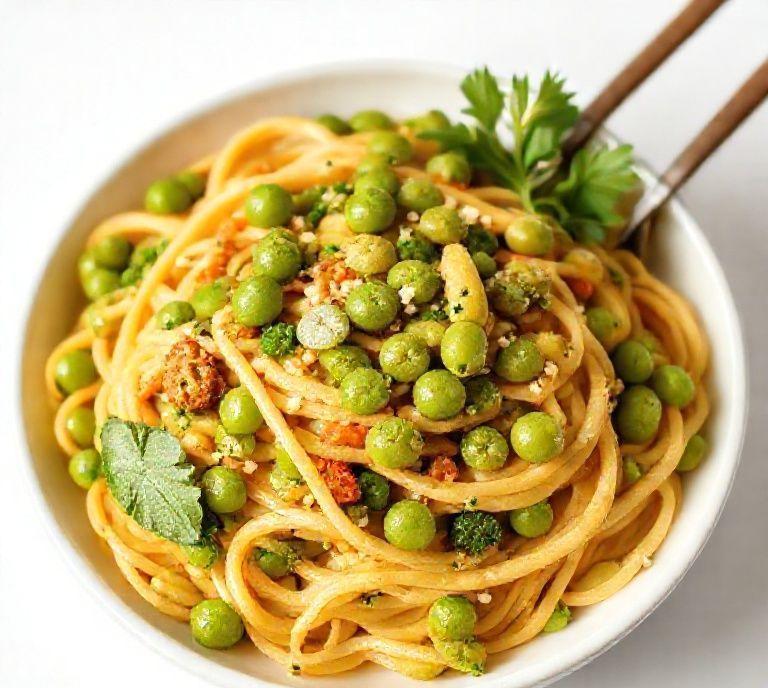
This edamame pasta recipe is a celebration of simplicity, but with a depth of flavor that’ll leave you coming back for more. Packed with protein and fiber, it’s a balanced meal that will keep you full and energized. It’s perfect on its own, or as a side to some roasted vegetables or a fresh salad. Let’s get into it.
Ingredients Needed
For this dish, you’ll need:
- 200g edamame pasta (You can find this at most health food stores or online. If you can’t find it, don’t worry-regular pasta can work in a pinch, but the edamame version is the star here.)
- 2 tablespoons olive oil (I love using a good quality extra virgin olive oil; it makes all the difference in flavor.)
- 1 medium onion, finely chopped
- 2 cloves garlic, minced (fresh garlic is a must for that rich, aromatic base)
- 1 zucchini, diced
- 1 bell pepper, chopped (red or yellow works best for a touch of sweetness)
- ½ cup cherry tomatoes, halved
- ¼ cup Parmesan cheese (optional for garnish)
- Fresh basil or parsley, for garnish
- Salt and pepper, to taste
- Lemon zest (this will add a refreshing note to balance the richness)
You can always adjust the quantity of ingredients depending on how much pasta you’re making, but this will serve about 2-3 people.
Cooking Instructions
Now for the fun part-the cooking! It’s an easy, breezy process that doesn’t take long at all. Start by cooking your edamame pasta according to the package instructions. It should take about 5-7 minutes, depending on the brand. Be careful not to overcook it. This pasta can become mushy if you’re not careful, so stay attentive!
While the pasta is cooking, heat the olive oil in a large skillet over medium heat. Add the chopped onion and cook for about 2-3 minutes until it softens. Then, toss in the minced garlic and sauté it for another 30 seconds, just enough to release that intoxicating aroma.
Next, add the zucchini and bell pepper to the skillet. Cook these veggies for about 5-6 minutes, until they start to soften but still hold some texture. Toss in the cherry tomatoes and cook for another 2 minutes, just enough to soften them slightly without losing their shape. Season everything generously with salt and pepper.
Once your pasta is done, drain it (but save a little pasta water for later-it can help loosen up the sauce). Add the drained pasta into the skillet with the veggies and give everything a good toss to combine. If the pasta looks a little dry, add a splash of the reserved pasta water to create a little more sauce and make everything feel like it’s binding together.
Finish it off with a generous sprinkle of Parmesan, a handful of fresh basil or parsley, and a bit of lemon zest for a burst of freshness.
Ingredient Science Spotlight
One of the things I love most about this recipe is how each ingredient brings something special to the table, nutritionally and flavor-wise. Let’s take a closer look at some of these ingredients from a scientific perspective:
- Edamame Pasta: The star of the show! Edamame, or young soybeans, are a powerhouse of plant-based protein. Unlike most pasta, which is primarily made from wheat, edamame pasta is made from these nutrient-dense beans, providing you with a hearty serving of protein and fiber. It’s also rich in micronutrients like iron, magnesium, and potassium, making it a great choice for anyone looking to boost their nutrient intake.
- Olive Oil: It’s a go-to in Mediterranean diets, and for good reason. Extra virgin olive oil is loaded with monounsaturated fats, which have been shown to reduce the risk of heart disease. It’s also full of antioxidants that help fight inflammation, making it an ideal choice for a healthy cooking fat.
- Garlic: Besides its aromatic qualities, garlic contains allicin, a compound with potent anti-inflammatory and immune-boosting properties. It’s also great for cardiovascular health.
- Zucchini and Bell Peppers: These veggies are packed with vitamins like A, C, and K, and they’re full of antioxidants that help fight oxidative stress in the body. Bell peppers, in particular, are rich in vitamin C, which supports the immune system and skin health.
Expert Tips
- Don’t skip the lemon zest: It might seem like a small touch, but that bright citrus kick really lifts the dish and brings everything together.
- Pasta texture is key: Edamame pasta can have a firmer texture than regular pasta, so make sure to cook it al dente for the best bite. If you’re using regular pasta, the texture will be different, but you can still achieve a wonderful result if you keep an eye on the cooking time.
- Use a heavy skillet or pan: This helps evenly distribute the heat, ensuring that your vegetables are sautéed perfectly without burning or overcooking.
- Make it a one-pan meal: If you want to simplify cleanup, use a large enough skillet to cook the pasta and veggies together. Just be sure to reserve some pasta water to help mix the sauce.
Recipe Variations
One of the best things about this recipe is how easily it can be customized. If you’re craving something different, here are some variations to try:
- Add protein: Toss in some grilled tofu, tempeh, or chickpeas to make the dish even more filling. These options keep it plant-based while boosting the protein content.
- Change up the veggies: Swap the zucchini and bell peppers for spinach, kale, or eggplant. The great thing about this recipe is that it’s flexible and can easily adapt to whatever vegetables are in season or what you’ve got in your fridge.
- Spicy twist: Add a pinch of red pepper flakes or a finely chopped fresh chili to the skillet for some heat. It’s a great way to balance out the sweetness of the bell peppers.
- Creamy version: For a richer variation, you can toss in a splash of heavy cream or coconut milk at the end. This creates a creamier texture and brings an indulgent touch to the dish.
Final Words
Edamame pasta is one of those meals that’s both nourishing and satisfying. It feels fresh, but it doesn’t skimp on flavor. Whether you’re a seasoned vegetarian or just looking to shake things up in the kitchen, this recipe has something for everyone. It’s versatile, quick, and-best of all-packed with nutrients that keep you feeling good long after the meal is over.
FAQs
What Are The Main Ingredients In An Edamame Pasta Vegetarian Recipe?
The main ingredients in an edamame pasta vegetarian recipe typically include edamame beans (which provide protein and fiber), pasta (often made from edamame or other plant-based ingredients), olive oil, garlic, fresh vegetables (such as bell peppers, spinach, or tomatoes), and herbs like basil or parsley. Optional additions include vegan cheese or nutritional yeast for a cheesy flavor.
How Do You Cook Edamame Pasta?
To cook edamame pasta, bring a large pot of water to a boil and add the pasta. Cook according to the package instructions, usually for about 4-5 minutes. Drain the pasta and set aside. In a separate pan, sauté garlic and any additional vegetables (such as spinach or bell peppers) in olive oil. Once the vegetables are tender, toss the cooked pasta in the pan with the sautéed ingredients and season with salt, pepper, and your choice of herbs.
Can I Substitute Edamame Pasta With Other Types Of Pasta?
Yes, you can substitute edamame pasta with other types of pasta if you prefer. Options such as whole wheat, gluten-free pasta, or traditional semolina pasta will work well, although the flavor and nutritional profile may vary. If you’re aiming for a high-protein dish, look for pasta made from legumes like lentils or chickpeas, which are similar to edamame pasta in terms of protein content.