There’s something about food that has the magical ability to transport you-whether it’s a bite that takes you straight to a grandmother’s kitchen or a recipe that instantly reminds you of a summer vacation. For me, one of those dishes is Eggplant Moussaka. This hearty, layered dish of tender eggplant, spiced lentils, and creamy béchamel sauce has an elegant comfort to it, with flavors that feel both timeless and fresh.
Growing up, I always associated Moussaka with family dinners on lazy Sundays-big gatherings around the table where stories were swapped along with helpings of rich, savory food. The beauty of a vegetarian Moussaka is that you can enjoy it without feeling bogged down; it still packs all the richness, but it’s lighter and just as satisfying. It’s a perfect dish to serve when you want something to feel special but not too complicated.
Let me take you through a step-by-step process on how to make a delicious, vegetarian Eggplant Moussaka, so you can enjoy this comforting Mediterranean classic in your own kitchen.
Eggplant Moussaka Vegetarian Recipe
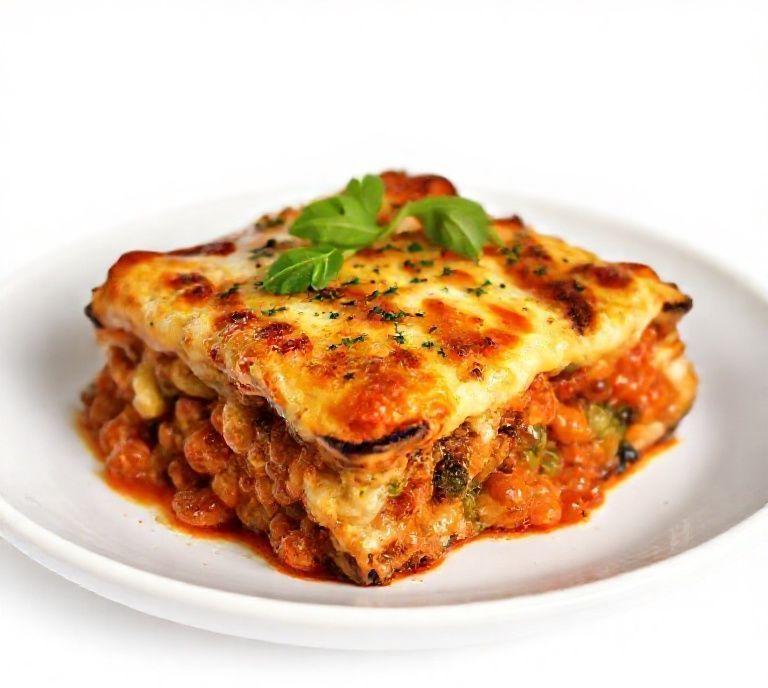
Making Moussaka at home is a bit of an adventure, but it’s worth it. The layers, each brimming with flavor, require a bit of prep work-but nothing too daunting. And while the dish has a reputation for being rich and indulgent, this vegetarian version keeps it lighter and just as indulgent, thanks to a blend of wholesome ingredients.
Instead of the traditional ground lamb or beef, we use lentils and a mix of Mediterranean spices, which gives the dish depth and heartiness without any meat. It’s a dish that feels like a celebration, even on a Wednesday night.
Ingredients Needed
To make the Moussaka, you’re going to need a variety of ingredients. These come together beautifully, each playing its own role in the overall flavor profile. Here’s the breakdown:
For The Eggplant
-
2 large eggplants (about 1-1.5 pounds total)
The star of the dish. Eggplants are rich in flavor, especially when roasted. They bring a meaty texture to the dish and, when cooked right, soak up all the delicious sauce and spices.
For The Lentil Filling
-
1 Cup Dry Green Or Brown Lentils
Lentils are your hearty base, providing the structure of the filling. They’re packed with protein, so even though you’re skipping meat, this will be a filling dish.
-
1 Onion, Finely Chopped
Adds sweetness and depth.
-
2 Cloves Garlic, Minced
Garlic is the unsung hero in so many dishes, and here it lends an aromatic backdrop to the lentils.
-
1 Can (14.5 Ounces) Crushed Tomatoes
This creates the saucy base for your lentils.
-
1 Teaspoon Ground Cinnamon
A nod to the classic Mediterranean flavors-cinnamon adds warmth and a slight sweetness.
-
1 Teaspoon Ground Cumin
Cumin gives the dish that earthy, smoky flavor that is so characteristic of Mediterranean cuisine.
-
1 Teaspoon Dried Oregano
A herb that’s synonymous with Mediterranean flavors, oregano adds an herbaceous, slightly peppery kick.
-
1 Tablespoon Olive Oil
For sautéing the onions, garlic, and spices.
-
Salt And Pepper, To Taste
Seasoning is essential to make all the ingredients come together.
For The Béchamel Sauce
-
4 Tablespoons Butter
The base of any great béchamel-rich and smooth.
-
4 Tablespoons All-purpose Flour
The flour helps thicken the sauce to that creamy consistency.
-
2 Cups Whole Milk
The milk gives you that classic creamy texture.
-
Pinch Of Ground Nutmeg
A traditional addition to béchamel, nutmeg adds warmth and balance.
-
1/2 Cup Grated Parmesan Cheese
You can use other cheeses, but Parmesan adds a nice salty bite.
-
Salt And Pepper, To Taste
The béchamel should be seasoned just right to complement the other layers.
Cooking Instructions
Here’s how to bring all these elements together:
Step 1: Prepare The Eggplant
- Slice the eggplant into 1/2-inch thick rounds.
- Salt both sides of the slices and let them sit for about 20 minutes to draw out excess moisture (this helps reduce any bitterness and prevents the eggplant from soaking up too much oil).
- After 20 minutes, pat them dry with a paper towel.
- Brush the slices with olive oil and lay them in a single layer on a baking sheet. Roast them in a 400°F oven for about 25 minutes, or until they’re soft and golden brown. This roasting method intensifies the eggplant flavor and helps with the texture. Set aside when done.
Step 2: Cook The Lentil Filling
- In a large skillet, heat olive oil over medium heat and sauté the onion for about 5 minutes, until softened.
- Add the garlic and cook for another minute until fragrant.
- Stir in the cinnamon, cumin, and oregano, cooking for another minute to release the spices.
- Add the lentils and crushed tomatoes, along with 2 cups of water. Stir, then bring to a simmer.
- Cover and cook for 20-25 minutes, or until the lentils are tender and the liquid has mostly absorbed. Season with salt and pepper.
Step 3: Make The Béchamel Sauce
- In a saucepan, melt the butter over medium heat. Add the flour and whisk for 1-2 minutes to make a roux.
- Gradually pour in the milk while whisking continuously to avoid lumps.
- Cook, stirring often, until the sauce thickens-about 5-7 minutes.
- Add the nutmeg, Parmesan, salt, and pepper. Whisk until smooth. Remove from heat.
Step 4: Assemble The Moussaka
- In a baking dish (about 9×13 inches), layer the ingredients. Start with a layer of roasted eggplant, then add half of the lentil filling.
- Repeat with another layer of eggplant and the rest of the lentils.
- Finally, pour the béchamel sauce evenly over the top, smoothing it out with a spatula.
- Bake in a preheated 375°F oven for 30 minutes, or until the top is golden brown and bubbling.
Ingredient Science Spotlight
A big part of making Moussaka so satisfying is the interplay of textures and flavors. Let’s take a deeper look at some of the key ingredients:
- Eggplant: This vegetable is often misunderstood-its meaty texture is great for absorbing flavors, especially when roasted or grilled. The key to cooking eggplant is avoiding the sponginess that can come with frying. Roasting, on the other hand, makes the flesh silky and tender.
- Lentils: High in protein and fiber, lentils are a wonderful substitute for meat in many vegetarian dishes. When cooked, they absorb the spices and create a filling, savory layer that mimics the texture of ground meat.
- Béchamel Sauce: A cornerstone of French cuisine, béchamel is a smooth, creamy sauce that adds richness to the dish. The combination of flour, butter, and milk creates a velvety texture that binds the layers of Moussaka together. The nutmeg in the béchamel brings warmth, which balances the other savory ingredients.
Expert Tips
- Don’t rush the eggplant: Make sure you salt the eggplant and let it rest for a while before cooking. This will draw out the moisture and ensure that the slices hold up better in the dish without getting soggy.
- Use whole milk for the béchamel: I know it sounds tempting to cut a few calories with low-fat milk, but whole milk gives the sauce the creaminess it needs to balance out the other layers.
- Let it rest: After baking, let your Moussaka sit for at least 15 minutes before cutting. This helps the layers set and makes it easier to serve.
Recipe Variations
If you want to switch things up, here are a few variations that still keep the spirit of the dish intact:
- Add some cheese: While the recipe calls for Parmesan in the béchamel, you can mix in some feta cheese to the lentil filling for a tangy twist.
- Spicy Moussaka: If you like a little heat, toss in some red pepper flakes or fresh chilies into the lentil filling.
- Swap the lentils: If you don’t have lentils on hand, cooked chickpeas or quinoa can make a great substitute.
Final Words
Moussaka is one of those dishes that might seem intimidating at first, but once you break it down into its components, it’s actually quite simple to prepare. Each layer-eggplant, lentils, béchamel-plays an essential role in creating a dish that’s comforting, flavorful, and satisfying. It’s a celebration of Mediterranean flavors that come together effortlessly with a little time and attention.
FAQs
Can I Make Eggplant Moussaka Vegetarian Without Compromising Flavor?
Yes, you can create a rich and flavorful vegetarian moussaka by substituting traditional meat with ingredients like lentils, mushrooms, or a combination of both. These alternatives provide a hearty texture and umami flavor. Adding a well-seasoned tomato-based sauce, garlic, onions, herbs like oregano and thyme, and a touch of cinnamon can enhance depth and authenticity. Roasting the eggplant before layering also intensifies its taste and reduces moisture.
What Is The Best Way To Prevent Eggplant From Becoming Soggy In Vegetarian Moussaka?
To avoid a soggy texture, slice the eggplant and lightly salt it, then let it sit for 20-30 minutes to draw out excess water. Rinse and pat dry before cooking. Additionally, roasting or grilling the slices rather than frying helps reduce moisture while adding a caramelized flavor. Ensuring the sauce is thick rather than watery will also help maintain a firm, layered structure in the baked moussaka.
Can I Prepare Eggplant Moussaka Vegetarian Recipe In Advance And Freeze It?
Yes, eggplant moussaka can be prepared in advance and frozen, making it a convenient option for meal prep. Assemble the dish completely, but avoid baking if freezing raw ingredients. Wrap it tightly in plastic wrap and aluminum foil, then store in the freezer for up to 2-3 months. When ready to eat, thaw in the refrigerator overnight and bake until heated through and golden on top. This preserves the flavors and texture effectively.