I’ll admit, falafel has always been a go-to comfort food for me. Whether it’s the crispy, golden exterior or the soft, flavorful inside, there’s just something so satisfying about sinking your teeth into a well-made falafel. I first encountered falafel at a tiny hole-in-the-wall Lebanese restaurant that I stumbled upon during a trip to the city years ago. I wasn’t expecting much-just a simple, quick meal. But one bite, and I was hooked. It was one of those moments where I realized how a dish could be so simple yet so rich in flavor, and I’ve been recreating my own version ever since. Here, I’m going to share my favorite falafel recipe, which I consider to be the perfect balance of texture and taste.
Falafel is an ancient Middle Eastern dish made from ground chickpeas or fava beans, seasoned with a blend of spices, and deep-fried to golden perfection. It’s often served in pita bread with a variety of accompaniments like tahini sauce, tomatoes, cucumbers, and fresh herbs. The beauty of falafel is its versatility, making it ideal for anyone, whether you’re vegan, vegetarian, or simply someone looking to enjoy a delicious, plant-based meal.
In this post, I’m going to walk you through my falafel recipe, some fun science behind the ingredients, and a few expert tips to ensure that your falafel comes out perfect every time. So let’s roll up our sleeves and dive in, because making falafel at home is a fun, satisfying experience that’s totally worth it.
Falafel Vegetarian Recipe
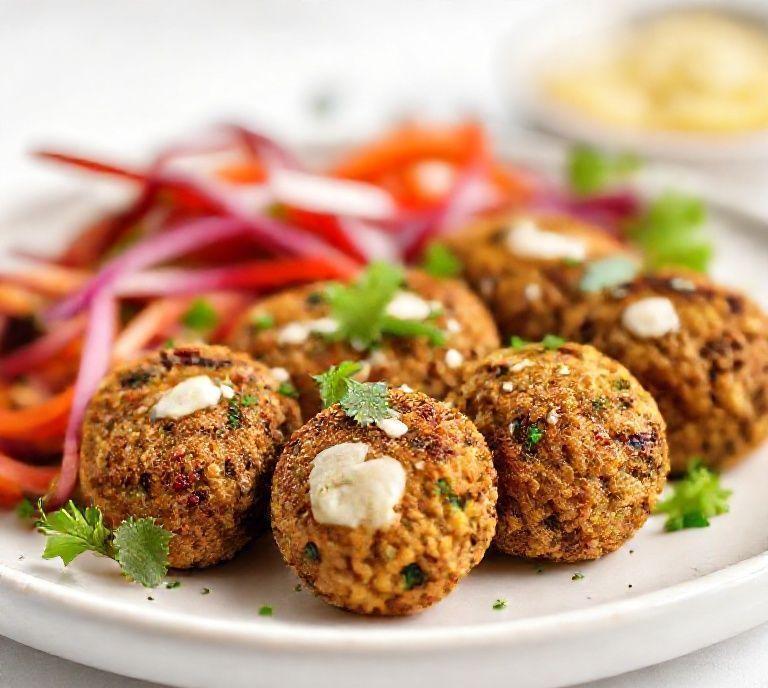
Now, let’s get to the good stuff-the recipe itself. This falafel is everything you want in a veggie-based dish: crunchy on the outside, tender and flavorful on the inside, with just the right balance of herbs and spices. It’s a crowd-pleaser that works for any meal, whether you’re serving it in pita or as a side to a larger Mediterranean feast.
Ingredients Needed
- 1 cup dried chickpeas (NOT canned – the texture difference is key here)
- 1 medium onion, roughly chopped
- 2-3 cloves garlic, minced
- 2 tablespoons finely chopped parsley
- 2 tablespoons finely chopped cilantro
- 1 teaspoon dried coriander
- 1 teaspoon cumin
- ½-1 teaspoon dried hot pepper (optional, but I always like the extra kick)
- 1 ½ teaspoons salt, or to taste
- ½ teaspoon baking soda
- ½-1 cup of flour, more if needed
- Vegetable oil for frying (I prefer sunflower oil)
Cooking Instructions
- Soak the Chickpeas: Start by soaking your dried chickpeas in water. They need to sit for at least 12 hours, so this is a great dish to prep the night before. Just cover the chickpeas in water and let them relax overnight. They’ll plump up beautifully.
- Prepare the Herb and Spice Mix: Once your chickpeas have soaked, drain them well and toss them into a food processor with the onion, garlic, parsley, cilantro, coriander, cumin, hot pepper, and salt. Pulse everything together until you get a coarse mixture. You don’t want it to be a smooth paste; some texture is key to good falafel.
- Let the Mixture Rest: Transfer the mixture into a bowl, cover it, and let it rest for about an hour in the fridge. This helps all the flavors marry together.
- Form the Falafel Balls: After resting, take small portions of the mixture and roll them into balls or patties (about the size of a walnut). If the mixture feels too loose or sticky, add a bit of flour to help bind it. I’ve found that it’s best to err on the side of slightly wetter mixture, as it will fry up more crisp.
- Fry the Falafel: Heat a couple of inches of oil in a deep pan over medium-high heat. Test the oil’s temperature by dropping in a small piece of the falafel mix. If it sizzles and rises to the top quickly, you’re good to go. Carefully drop the falafel balls into the oil, cooking in batches so as not to overcrowd the pan. Fry each batch for about 3-4 minutes, turning occasionally until they are golden brown on all sides.
- Drain and Serve: Remove the falafel from the oil and let them drain on paper towels. Serve them hot with your favorite accompaniments: tahini sauce, fresh veggies, and warm pita bread.
Ingredient Science Spotlight
There’s some interesting science at play with falafel, especially in the choice of chickpeas over canned beans. When you use dried chickpeas, their starches haven’t been disrupted by the canning process, which helps hold the falafel together better and gives it that perfect texture when fried. Soaking them allows the chickpeas to hydrate properly, which is crucial for getting the right consistency in your falafel.
Another critical ingredient is baking soda. It may seem like a small addition, but baking soda does wonders in making the interior of the falafel light and airy. It creates small bubbles when frying, giving that delightful softness inside. Plus, it helps the falafel maintain its shape without falling apart.
Expert Tips
- Don’t Skip the Soaking: One mistake I made early on was thinking I could rush the soaking process by using canned chickpeas or boiling dried ones. Trust me-soaking the chickpeas for 12 hours makes all the difference in the texture. It also helps the flavors develop more deeply.
- Flavor Boost: If you like a bit of extra flavor, try adding some ground sumac or a dash of lemon zest to the mix. These little tweaks take the falafel to the next level.
- Fry at the Right Temperature: Oil temperature is everything. Too hot, and you risk burning the falafel on the outside while leaving them raw inside. Too cold, and you’ll end up with greasy falafel that hasn’t crisped properly. Keep the oil at about 350°F (175°C) for optimal frying.
- Make Ahead: You can prep the falafel mix ahead of time and refrigerate it for up to a day before frying. I also sometimes freeze the formed falafel balls and fry them directly from the freezer. Just make sure not to overcrowd the pan to avoid uneven cooking.
Recipe Variations
While this falafel recipe is fantastic on its own, there’s room for endless variations to cater to different tastes or dietary needs. Here are a few ways you can mix things up:
- Spicy Falafel: If you want more heat, add more hot pepper or even a bit of fresh chili pepper. You could also throw in a spoonful of harissa paste for an extra punch.
- Add Grated Vegetables: For a veggie-packed falafel, grate some zucchini or carrots and mix them into the falafel dough. It adds moisture and a unique flavor, while still keeping the crispy exterior.
- Baked Falafel: If you prefer baking over frying, you can brush the falafel balls with olive oil and bake them in a preheated oven at 375°F (190°C) for 25-30 minutes. Turn them halfway through to get an even golden-brown color.
- Herb Variations: While parsley and cilantro are the classic herbs for falafel, you can experiment with others. Dill or mint could work wonderfully if you’re going for a Mediterranean twist.
Final Words
Making falafel from scratch is an incredibly rewarding experience. It’s one of those dishes that feel like a bit of a labor of love, but once you taste the results, you’ll understand why it’s worth it. The texture and flavor are far superior to anything you’ll find at most restaurants, and the best part is, you get to customize everything just the way you like it.
There’s also something inherently satisfying about making your own food from scratch-especially something that has such a rich history and tradition like falafel. It’s one of those dishes that connects you to something bigger than just eating-it’s about tradition, creativity, and the joy of sharing food with others.
FAQs
What Are The Main Ingredients In A Vegetarian Falafel Recipe?
A vegetarian falafel recipe typically includes chickpeas (or fava beans), garlic, onion, fresh herbs like parsley and cilantro, ground cumin, ground coriander, salt, pepper, and flour (usually chickpea flour or all-purpose flour) to bind the mixture. Baking soda is often used to help the falafel puff up when fried. Some variations may also include tahini, lemon juice, or spices like paprika.
How Do I Make Falafel Crispy On The Outside And Tender On The Inside?
To achieve a crispy exterior and tender interior for your falafel, make sure the mixture isn’t too wet; it should hold together but be moist enough to form balls. Chill the falafel balls in the fridge for at least 30 minutes before frying, as this helps them firm up. Fry them in hot oil (around 350°F or 175°C) for 3-4 minutes per side, ensuring the oil is hot enough to create a crisp crust without overcooking the inside.
Can I Bake Falafel Instead Of Frying Them?
Yes, you can bake falafel for a healthier alternative to frying. To bake, preheat your oven to 375°F (190°C) and line a baking sheet with parchment paper. Lightly brush or spray the falafel with olive oil before placing them in the oven. Bake for 20-25 minutes, flipping halfway through, until golden and crispy on the outside. While they may not be as crispy as fried falafel, they can still be quite delicious.