Black-eyed peas have always been a staple in my kitchen. Growing up, I can still remember the smell of them simmering on the stove, filling the house with a rich, earthy aroma. My grandmother used to make them on Sundays, and the dish was always accompanied by stories of how black-eyed peas symbolized good luck in Southern culture, especially around New Year’s Day. It’s funny how food is never just about eating-it’s about memories, feelings, and the connections we make while sharing a meal.
So, when I stumbled across the idea of a frozen black-eyed peas recipe, I thought, why not? It’s like a nod to convenience without sacrificing the soul of the dish. I’ve been experimenting with ways to make them healthier, too, which led me to a vegetarian version that still packs all the flavor and heartiness. It’s like taking a dish that’s been passed down for generations and giving it a modern twist.
This recipe is my take on making black-eyed peas accessible, delicious, and comforting-even when you’re short on time. It’s a simple, satisfying meal that can be made with minimal prep and stored in the freezer for future use. No need to stress about making it from scratch every time you crave it. Plus, it’s packed with flavor and goodness, perfect for any time of the year.
Frozen Black Eyed Peas Vegetarian Recipe
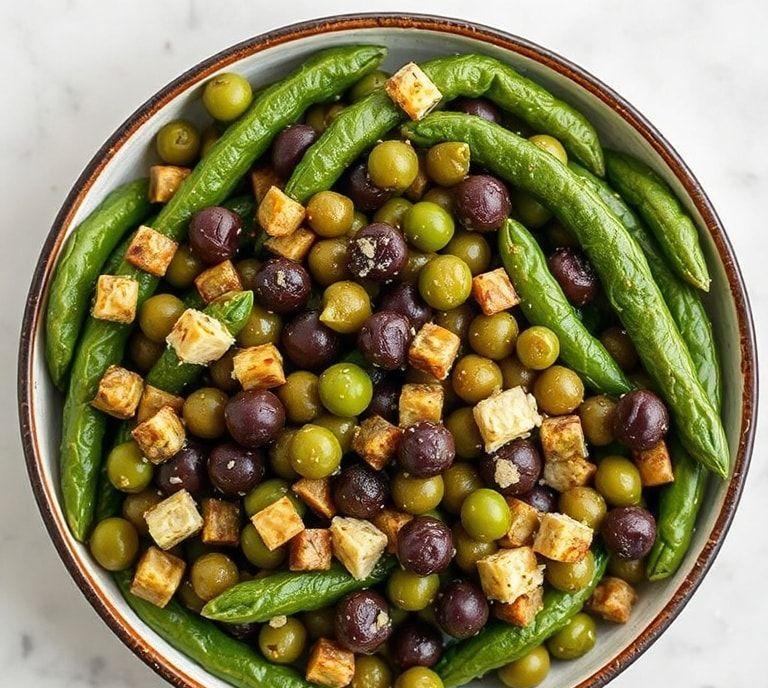
This frozen black-eyed peas vegetarian recipe is all about ease and taste. It’s incredibly simple to make, even for beginners, but the layers of flavor make it feel like you’ve been slaving away in the kitchen for hours. The best part is you can make a big batch and freeze it, pulling out servings whenever you need a quick meal. Here’s how I like to prepare it:
Ingredients Needed
You don’t need a lot of fancy ingredients for this recipe-just a handful of essentials that come together beautifully. Here’s what you’ll need:
- 1 pound of frozen black-eyed peas – I prefer frozen because it keeps the peas from losing their texture and flavor. They’re also quicker to cook than dried peas, and you don’t have to worry about soaking them overnight.
- 2 tablespoons olive oil – For sautéing the vegetables and bringing out their natural sweetness.
- 1 medium onion, finely chopped – Onion adds that savory base to the dish.
- 3 cloves garlic, minced – Garlic is the unsung hero in so many recipes. It adds depth and warmth.
- 1 bell pepper, diced – I like using a red or yellow pepper for a pop of color and sweetness.
- 1 cup diced tomatoes – You can use fresh or canned, depending on what you have on hand. The tomatoes bring a juicy tanginess to balance the richness of the peas.
- 1 teaspoon smoked paprika – This gives the dish a subtle smokiness, almost like it’s been cooked over an open flame.
- ½ teaspoon ground cumin – A little cumin goes a long way, adding a hint of earthiness that complements the peas perfectly.
- Salt and pepper to taste – Essential for bringing everything together.
- 1 bay leaf – A bay leaf adds an aromatic flavor that’s hard to describe but undeniably delicious.
- 2 cups vegetable broth – This gives the peas a nice, savory base. You can use water if you prefer, but broth adds much more flavor.
- Fresh parsley or cilantro for garnish – I love cilantro with this dish, but parsley works just as well if you’re not a fan of its strong flavor.
Cooking Instructions
Cooking this dish is as easy as throwing everything into a pot and letting the magic happen. Here’s how I go about it:
- Prepare the base: In a large pot, heat the olive oil over medium heat. Add the chopped onion and garlic, and sauté until the onion becomes soft and translucent-about 5 minutes. This creates the perfect savory base for the dish.
- Add the veggies: Toss in the bell pepper and diced tomatoes, cooking for another 3-4 minutes until the tomatoes begin to break down. The juices from the tomatoes will help deglaze the pan, making it even more flavorful.
- Spices: Stir in the smoked paprika, cumin, salt, and pepper. This is when the dish starts to smell incredible-those spices really wake everything up.
- Simmer: Pour in the vegetable broth and add the frozen black-eyed peas and bay leaf. Stir everything together and bring it to a boil. Once it’s boiling, reduce the heat to low and let it simmer for about 25-30 minutes, or until the peas are tender and the flavors have melded together.
- Freeze: Once the dish has cooled, you can store it in an airtight container and freeze it for up to 3 months. When you’re ready to eat, just reheat in a pot or microwave, and it’ll taste just as good as the day you made it.
Ingredient Science Spotlight
I’ve always been fascinated by how certain ingredients interact during cooking. Black-eyed peas, for example, are a fantastic source of plant-based protein and fiber. They’re also loaded with vitamins and minerals like folate, iron, and potassium, which make them not only nourishing but also satisfying.
The beauty of using frozen peas in this recipe is that they retain their texture and nutrients better than dried peas, which can sometimes get mushy when cooked. The added vegetable broth helps to infuse the peas with even more flavor, making every bite savory and rich.
Tomatoes are another ingredient that plays a pivotal role. Their acidity cuts through the richness of the peas, while also giving the dish a subtle sweetness. And, of course, the garlic and onions? Well, they’re an obvious choice because they form the foundation of nearly every great dish-they’re the building blocks of flavor.
Expert Tips
- Don’t Skip the Sauté Step: It might seem tempting to throw everything into the pot at once, but trust me, sautéing the onion and garlic first creates a depth of flavor you won’t get otherwise. This small step makes a huge difference.
- Adjust the Spices: If you love spice, feel free to add a bit of cayenne pepper or chili flakes to the mix. It’ll give the dish an extra kick.
- Add Greens: To make this dish even heartier, consider adding some leafy greens like spinach or kale. They cook down beautifully and blend into the dish without overwhelming it.
- Use Homemade Broth: If you’ve got the time and the ingredients, homemade vegetable broth can elevate this dish even more. It’s one of those details that makes a huge impact.
Recipe Variations
- Smoky & Spicy: Add a few diced chipotle peppers in adobo sauce for a smoky, spicy kick that’ll elevate the flavor profile of the dish.
- Coconut Milk: For a creamy version, stir in some coconut milk in the last few minutes of cooking. It pairs beautifully with the black-eyed peas and adds richness.
- Add Protein: While the black-eyed peas are already a good source of protein, you can easily add some sautéed tofu or tempeh for an extra boost of plant-based protein.
- Serve it with Grains: For a complete meal, serve your peas over a bed of rice, quinoa, or couscous. The grains absorb the flavors of the peas and make the meal more filling.
Final Words
This frozen black-eyed peas vegetarian recipe isn’t just a meal-it’s a journey. From the simplicity of its ingredients to the layers of flavor that develop as it simmers, it’s a dish that offers both comfort and versatility. Whether you’re cooking for a crowd or preparing meals in advance, this recipe delivers on all fronts: ease, taste, and nutrition.
And let’s not forget about the freezer-friendly convenience-once you’ve made a batch, you’ve got a nourishing, satisfying meal waiting for you whenever you need it.
FAQs
How Do I Cook Frozen Black-eyed Peas For A Vegetarian Recipe?
To cook frozen black-eyed peas, first rinse them under cold water to remove any ice crystals. Then, bring a pot of water to a boil and add the peas. Let them cook for about 8 to 10 minutes, or until tender. If you’re using them in a recipe, you can also sauté them with olive oil, garlic, onions, and seasonings such as cumin or paprika for extra flavor. Frozen black-eyed peas cook faster than dried peas, making them a convenient option for quick vegetarian dishes.
What Are Some Popular Vegetarian Recipes With Frozen Black-eyed Peas?
Frozen black-eyed peas can be used in a variety of vegetarian dishes. A popular choice is a Southern-style black-eyed pea stew, which typically includes vegetables like onions, carrots, and bell peppers, along with spices like thyme, garlic, and bay leaves. You can also incorporate them into vegetarian salads, grain bowls, or a simple stir-fry. For a hearty dish, try combining the peas with tomatoes, spinach, and spices to make a delicious vegan curry or soup.
Can I Substitute Frozen Black-eyed Peas For Dried Peas In Vegetarian Recipes?
Yes, you can substitute frozen black-eyed peas for dried peas in most vegetarian recipes. However, frozen peas cook much faster than dried peas. When using frozen peas, there is no need for soaking, and they usually require only 8 to 10 minutes of cooking, compared to dried peas, which need to be soaked overnight and then simmered for an hour or more. Be sure to adjust your cooking time accordingly and check for tenderness when substituting.