I’ve always found that the best meals are often the simplest ones, especially when they bring together a handful of humble ingredients in a way that feels fresh and unexpected. One dish that has become a staple in my kitchen for those busy days when I crave something light yet satisfying is glass noodles-sometimes known as cellophane noodles or bean thread noodles. These translucent noodles are made from mung bean starch, and they are a perfect canvas for all sorts of flavors. But what really draws me to them is the texture: they’re silky, slightly chewy, and so adaptable to whatever vegetables, spices, or sauces I happen to have on hand.
For this recipe, I’ve created a vegetarian version of glass noodles that bursts with color and flavor. It’s the kind of meal that’s versatile enough to be an appetizer, side dish, or even a light main course. The fresh crunch of vegetables combined with the soft noodles and the savory depth of the seasonings makes it something I can eat over and over again without ever getting bored.
Glass Noodles Vegetarian Recipe
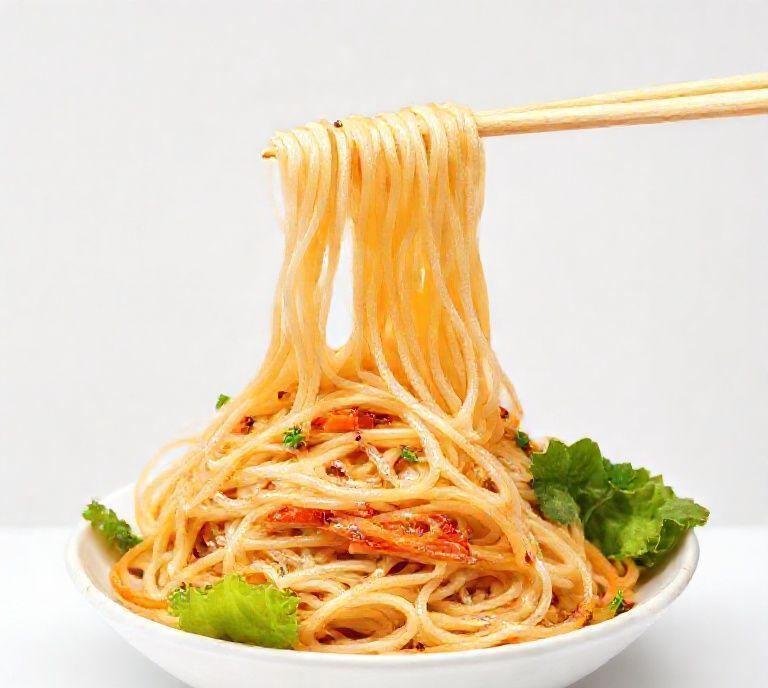
This vegetarian glass noodles recipe is one of those dishes that really lets you play around with what’s in your fridge, making it perfect for clean-out-the-fridge meals or when you want to impress guests with minimal effort. I usually make it after a long day when I need something quick but satisfying. It’s packed with fresh vegetables, an array of spices that build depth, and of course, those noodles that are the highlight of the dish. Here’s how I make it.
Ingredients Needed
The beauty of this recipe is that you don’t need much-just a few simple ingredients, some fresh, some pantry staples, and you’re good to go. Here’s what you’ll need:
- Glass noodles (about 100g): You can find these in most Asian grocery stores, usually packaged in dried bundles.
- Vegetable oil (1-2 tbsp): For stir-frying the veggies. I like using sesame oil for added flavor.
- Garlic (3 cloves, minced): Fresh garlic adds an incredible aroma and depth of flavor.
- Carrot (1 medium, julienned): Gives a nice crunch and a splash of color.
- Bell pepper (1, thinly sliced): A burst of sweetness and more color to the dish.
- Shiitake mushrooms (5-6, sliced): I love the earthy flavor they add, but you can swap these for any mushrooms you like.
- Cabbage (a handful, shredded): Provides a bit of crunch and is a great balance to the softer noodles.
- Spring onions (2, chopped): For that light, fresh onion flavor without the sharpness of regular onions.
- Soy sauce (2 tbsp): For saltiness and umami. If you’re gluten-free, tamari is a good option.
- Rice vinegar (1 tbsp): Adds a tangy contrast that brightens the dish.
- Sugar (½ tsp): Just a pinch to balance out the acidity of the vinegar.
- Chili flakes or fresh chili (optional): To add some heat-if you’re like me and enjoy a little spice.
- Toasted sesame seeds (for garnish): For crunch and nuttiness.
If you don’t have one or two ingredients, don’t worry-this recipe is quite flexible. Swap the mushrooms for tofu or zucchini, or even add a handful of spinach or bok choy. That’s what I love about this dish: it’s not rigid; it’s just a guide.
Cooking Instructions
- Prepare the noodles: Start by soaking the glass noodles in hot water for about 15 minutes, or follow the package instructions. Once they’re softened, drain them and set them aside. I like to give them a quick rinse under cold water to stop the cooking process.
- Stir-fry the veggies: Heat a tablespoon of oil in a large pan or wok over medium-high heat. Add the garlic first and let it cook for about 30 seconds until fragrant-be careful not to burn it. Then, toss in your carrots, bell pepper, mushrooms, and cabbage. Stir-fry for about 4-5 minutes until the vegetables are tender but still have some bite.
- Combine the noodles and sauce: Once the veggies are ready, add the soaked glass noodles to the pan. Pour in the soy sauce, rice vinegar, and sugar, stirring to coat the noodles and veggies evenly. If you’re adding chili, now’s the time to sprinkle it in. Stir-fry everything together for another 2-3 minutes until it’s all well-mixed and heated through.
- Garnish and serve: Finally, sprinkle the sesame seeds and chopped spring onions on top. I like to serve this with a drizzle of sesame oil for extra flavor and a little more heat if you’re feeling adventurous.
Ingredient Science Spotlight
Glass noodles are made from starch, typically derived from mung beans, although they can also come from sweet potatoes or tapioca. What sets them apart from other noodles is their unique, almost gelatinous texture once cooked. When you first look at the dry noodles, they seem like they might be too delicate to hold up to stir-frying, but once they soak up the hot water and soften, they transform into a silky, slippery texture that clings to whatever sauce or seasoning you add.
Mung beans, the primary ingredient in glass noodles, are a powerhouse when it comes to nutrition. High in protein, fiber, and antioxidants, mung beans are often celebrated for their ability to regulate blood sugar levels and support digestive health. So, while you might initially be drawn to the texture and taste of glass noodles, there’s a quiet nutritional benefit tucked inside every bowl.
Expert Tips
- Don’t over-soak the noodles: It’s tempting to leave the noodles soaking for too long, but if you soak them for too long, they can become too soft and break apart. I find about 15 minutes is just right, and the noodles will continue to soften slightly when you stir-fry them.
- Customize your veggies: This recipe is great for using up leftover vegetables. If you’ve got some wilting spinach, a few carrots, or half a zucchini, toss them in. Just be mindful of the cooking time for each veggie; harder vegetables like carrots will need a few extra minutes in the pan.
- Make it ahead: Glass noodles are excellent for meal prep. You can prepare the veggies and noodles ahead of time, and then just stir-fry everything together when you’re ready to eat. It tastes just as good, if not better, the next day!
- Add protein: If you want to turn this into a more filling meal, try adding tofu or tempeh. Just sauté it separately and mix it in at the end. For a more indulgent twist, I sometimes add a fried egg on top.
Recipe Variations
One of the reasons I love glass noodles is their adaptability. Here are a few ways to make this dish your own:
- Spicy peanut sauce: If you’re craving something creamy and rich, you can drizzle a peanut sauce over the noodles. Simply mix together peanut butter, soy sauce, a touch of maple syrup, rice vinegar, and chili flakes. Toss it with your noodles for a luscious, spicy bite.
- Coconut milk twist: Add a can of coconut milk to the stir-fry for a creamier, more aromatic dish. The coconut’s sweetness complements the saltiness of the soy sauce perfectly.
- Herbs and greens: Fresh herbs like cilantro or mint can really brighten the dish. I sometimes throw in a handful of fresh basil or Thai basil for a fragrant twist. Spinach or bok choy also work well for added greens.
- Noodles in broth: If you’re in the mood for a soupier dish, you can make a broth-based version by adding vegetable stock and a splash of soy sauce, ginger, and garlic to the pan. Bring it to a simmer, and the noodles will soak up the flavors.
Final Words
Glass noodles are, without a doubt, one of those unsung heroes of the pantry. They may not get as much attention as pasta or rice, but they have an incredible versatility and texture that I find both comforting and exciting. Whether you keep it simple with some vegetables and soy sauce or explore different sauces and proteins, this dish is all about making something that suits your tastes and mood.
FAQs
What Are Glass Noodles And Are They Suitable For Vegetarians?
Glass noodles, also known as cellophane noodles or bean thread noodles, are typically made from mung bean starch, sweet potato starch, or rice starch. They are naturally gluten-free and vegetarian, making them suitable for a vegetarian diet. However, it is important to check the packaging for any added ingredients if you are strictly vegetarian.
How Can I Cook Glass Noodles For A Vegetarian Dish?
To cook glass noodles for a vegetarian recipe, first soak them in warm water for 10-15 minutes until they become soft and pliable. Drain and rinse them with cold water. They can then be stir-fried with vegetables and sauces, added to soups, or used in salads. Cooking times are short, usually 3-5 minutes when stir-frying, as overcooking can make them mushy.
What Vegetarian Ingredients Pair Well With Glass Noodles?
Glass noodles pair well with a variety of vegetarian ingredients such as mushrooms, bell peppers, carrots, bok choy, spinach, tofu, and bean sprouts. For flavor, you can use soy sauce, sesame oil, garlic, ginger, chili, and fresh herbs like cilantro or Thai basil. Combining these ingredients creates a balanced, flavorful vegetarian dish with a mix of textures.