Lasagna has always been that comforting, heart-warming dish that brings people together-layers of soft pasta, creamy cheese, rich sauce, and whatever tasty fillings you decide to throw in. It’s the kind of meal that makes you think of family dinners, slow Sunday afternoons, or even the joy of feeding a group of friends after a long week. But what happens when you need to modify it to fit dietary needs, like going gluten-free or vegetarian? Well, the magic is still very much alive!
I remember the first time I tried to make a gluten-free, vegetarian lasagna. I’d been playing with gluten-free pasta for a while, but I had a lingering doubt in the back of my mind: would it still taste as rich and satisfying? The idea of losing the hearty texture of regular noodles was a bit intimidating. But once I got the ingredients right, and discovered the balance of flavors, I was hooked. The beauty of a gluten-free vegetarian lasagna lies in its versatility, and the fact that it can be just as rich and flavorful as the traditional version, minus the gluten and meat.
If you’ve ever felt that same concern, or simply want a fresh take on a classic, you’re in for a treat. Here’s a recipe that combines all the comfort of lasagna, with a little extra care for dietary needs-and trust me, it tastes incredible.
Gluten-free Vegetarian Lasagna Recipe
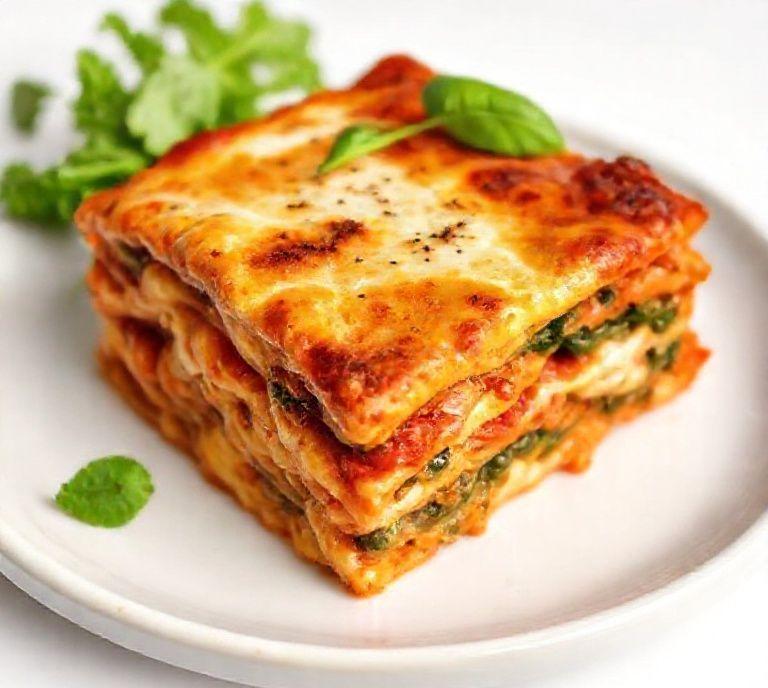
This gluten-free vegetarian lasagna is a satisfying, delicious dish that’s loaded with fresh vegetables, a creamy ricotta blend, and a savory tomato sauce. It’s also a great way to sneak in more vegetables into your meal. Whether you’re avoiding gluten for health reasons or just prefer a meatless meal, this recipe will fill you up without missing the usual lasagna staples. The key here is balance-layers of flavor that meld together perfectly.
Ingredients Needed
Before we dive into the cooking instructions, let’s talk ingredients. There are a few key components that will make or break your lasagna. Here’s what you’ll need:
- Gluten-free lasagna noodles (about 12 sheets): You can usually find these in the gluten-free section of your grocery store. Brown rice or corn-based noodles are typically the best bet for texture.
- Ricotta cheese (2 cups): You want the creamy texture of ricotta here. It adds richness and binds the layers together.
- Shredded mozzarella cheese (2 cups): Mozzarella is the star of lasagna, with that melt-in-your-mouth pull. Opt for full-fat mozzarella for the best flavor and texture.
- Grated Parmesan cheese (1 cup): Parmesan gives the lasagna a salty, umami boost that complements all the other layers.
- Fresh spinach (2 cups): Fresh spinach adds both nutrition and a pop of color. Plus, it wilts perfectly between the layers.
- Zucchini (1 medium): Zucchini adds a light, fresh crunch and absorbs all the lovely sauce as it bakes.
- Mushrooms (1 cup, finely chopped): Mushrooms bring a meaty texture and deep flavor, making them a perfect substitute for meat in vegetarian lasagna.
- Tomato sauce (4 cups): Use a quality tomato sauce or a homemade marinara sauce. The tomatoes will balance out the richness of the cheese.
- Garlic (3 cloves, minced): Garlic is the aromatic base for many Italian dishes, and it’s a must in this lasagna.
- Olive oil (2 tablespoons): Used for sautéing vegetables and adding richness to the sauce.
- Fresh basil (optional): Fresh basil is a great finishing touch and adds a fragrant, herbaceous note.
Cooking Instructions
Now, let’s get cooking. This recipe takes some time to assemble, but it’s completely worth it. You’re building layers of flavor, after all.
-
Prepare The Vegetables
- Start by sautéing your garlic in olive oil in a large pan over medium heat for about 1 minute, until it’s fragrant.
- Add the chopped zucchini and mushrooms. Cook them until softened, about 5-7 minutes. You want them to lose some of their moisture so they don’t water down the sauce.
- Add the fresh spinach and cook for an additional 2-3 minutes, until it’s wilted. Season the mixture with a pinch of salt and pepper.
-
Cook The Lasagna Noodles
- Boil a large pot of salted water. Cook the gluten-free lasagna noodles according to package instructions, making sure they don’t overcook (they tend to soften faster than regular noodles). Drain and set aside.
-
Assemble The Lasagna
- Preheat your oven to 375°F (190°C).
- Start with a thin layer of tomato sauce on the bottom of a 9×13-inch baking dish. Lay down your first layer of lasagna noodles, slightly overlapping.
- Add a generous layer of the sautéed vegetable mixture, followed by a few dollops of ricotta cheese. Spread evenly. Sprinkle some shredded mozzarella and a bit of Parmesan over the top. Repeat this layering process two more times.
- Top the final layer with a layer of sauce, then sprinkle with the remaining mozzarella and Parmesan cheeses.
-
Bake
- Cover the lasagna with foil and bake for 30 minutes. Then, remove the foil and bake for another 15-20 minutes until the cheese is bubbly and golden.
- Let the lasagna sit for 10 minutes before slicing. This helps the layers set and makes it easier to cut.
Ingredient Science Spotlight
Let’s talk about what makes some of these ingredients really shine in this gluten-free vegetarian lasagna. The blend of ricotta, mozzarella, and Parmesan cheeses creates that iconic creamy-cheesy structure of lasagna, but there’s also the important role of the gluten-free noodles. They tend to have a different texture than their wheat-based counterparts, so they might absorb more sauce or take on a slightly different bite. However, with the right balance of moisture and cheese, the noodles become soft and meld with the other ingredients in perfect harmony.
The sautéed mushrooms and zucchini provide both flavor and texture. Mushrooms, with their umami-rich taste, replicate some of the hearty depth you’d get from meat in a traditional lasagna. Meanwhile, zucchini adds freshness and moisture. The spinach, being delicate, wilts beautifully and adds a pop of green color, not to mention a healthy dose of nutrients.
Tomato sauce is the foundation of the entire dish. It’s tangy and slightly sweet, and the acidity helps to balance out the richness of the cheeses. In terms of ingredient chemistry, the tomatoes’ natural acids also break down the proteins in the cheese, giving the dish that creamy, melt-in-your-mouth quality.
Expert Tips
- Layering correctly: If you want to avoid soggy lasagna, make sure to layer the noodles tightly without too much excess sauce on each layer. A good ratio of cheese to vegetables to sauce will ensure that the dish holds together well.
- Let it rest: Lasagna needs to rest after baking. This is key for getting clean slices and allowing all the flavors to settle.
- Cheese options: If you’re looking to reduce fat, you can swap in part-skim ricotta or mozzarella, but I wouldn’t skimp too much on the Parmesan, as it brings an irreplaceable depth to the flavor.
Recipe Variations
- Add a vegan twist: Swap the ricotta and mozzarella for plant-based versions. There are some really good options available now that mimic the taste and texture of cheese quite well.
- Add roasted vegetables: If you want to deepen the flavor, try roasting the zucchini and mushrooms before adding them to the lasagna. Roasting brings out their natural sweetness and adds a little smokiness.
- Switch up the greens: You can also use kale or Swiss chard instead of spinach for a slightly different texture and flavor.
Final Words
Making gluten-free vegetarian lasagna is all about embracing flavors and textures in a new way. The trick lies in using the right ingredients to build depth and richness without relying on gluten or meat. With layers of cheese, vegetables, and sauce, this lasagna will satisfy both vegetarians and non-vegetarians alike.
FAQs
Can I Make Gluten-free Vegetarian Lasagna Ahead Of Time?
Yes, gluten-free vegetarian lasagna can be prepared in advance. You can assemble the lasagna and store it in the refrigerator for up to 24 hours before baking. For longer storage, you can freeze the unbaked lasagna for up to 2-3 months. When ready to bake, allow it to thaw in the refrigerator overnight and then bake as directed. This ensures the flavors meld together without compromising the texture of the gluten-free noodles.
What Are The Best Substitutes For Traditional Lasagna Noodles In A Gluten-free Version?
There are several effective substitutes for traditional wheat-based lasagna noodles. Certified gluten-free pasta made from rice, corn, or quinoa works well. You can also use thinly sliced vegetables like zucchini, eggplant, or sweet potato as noodle replacements, which add extra nutrition and moisture. Be sure to slightly salt or pre-cook vegetable slices to reduce excess water during baking and maintain the lasagna’s structure.
How Can I Ensure The Lasagna Stays Flavorful And Moist Without Meat?
To keep a gluten-free vegetarian lasagna flavorful and moist, layer ingredients strategically. Use a combination of sautéed vegetables, ricotta or cashew-based cheese, and a rich tomato or béchamel sauce. Season each layer generously with herbs, spices, and salt. Adding a small amount of olive oil or a splash of vegetable broth between layers can prevent dryness, especially when using vegetable slices instead of noodles. Baking covered with foil initially helps retain moisture before finishing uncovered for a golden top.