There’s something magnetic about Gordon Ramsay’s cooking. Even when he’s not shouting at contestants on Hell’s Kitchen, you can tell that when he’s in the kitchen, he’s fully immersed in the artistry of food. I remember watching his shows back in the day, marveling at how he could make something so simple look so sophisticated. But here’s the kicker: Ramsay doesn’t just cook for show-he’s a true pro who knows how to elevate even the most unassuming dishes into something special. So, what about when the famous chef takes on vegetarian cuisine? If you’ve ever wondered if he could bring his fire and finesse to meatless meals, you’re in for a treat.
In this post, we’re diving into one of Gordon Ramsay’s veggie-centric recipes-a dish that blends the simplicity of fresh, plant-based ingredients with the passion and precision that Ramsay is known for. Spoiler alert: it’s not only delicious but also bursting with flavors you might not expect. Let’s jump into it and explore how Gordon does vegetarian.
Gordon Ramsay Vegetarian Recipe
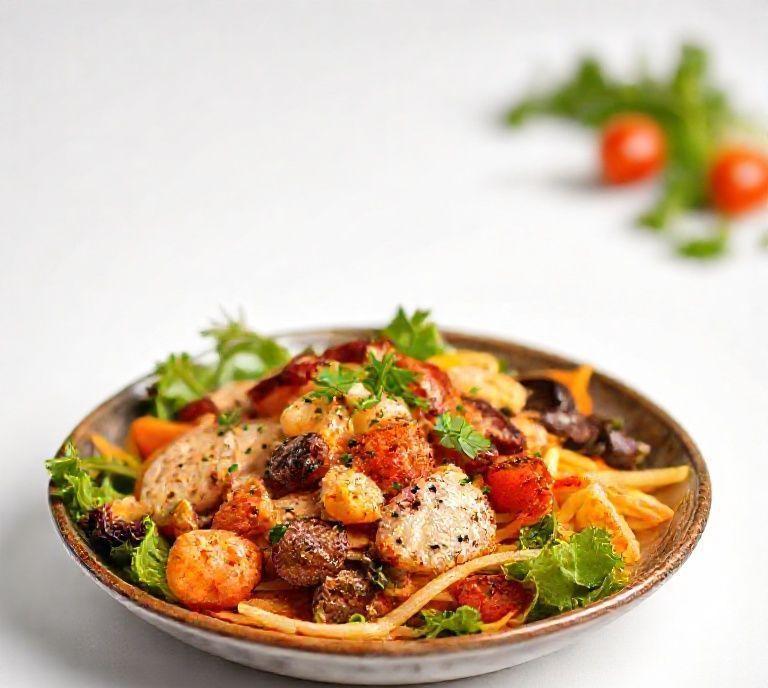
The dish I’m focusing on today is Gordon Ramsay’s famous Vegetarian Risotto with Asparagus and Peas. Now, if you’ve ever had a bad risotto, you know how intimidating this dish can be to get right. But Ramsay has a way of making risotto look so easy and approachable, even though it’s a dish that demands attention. With just the right amount of creaminess, a slight bite to the rice, and vibrant veggies to cut through the richness, it’s a comforting yet refined meal.
What sets this vegetarian risotto apart is how it showcases seasonal vegetables at their peak. The crisp, bright asparagus and sweet peas are the stars here, and Ramsay’s technique brings out their natural flavors in a way that’s just divine. And yes, it’s totally satisfying without any meat.
Ingredients Needed
Now, before we dive into the cooking process, let’s talk ingredients. What I love about Ramsay’s recipes is that, while they often sound fancy, you don’t need any weird, hard-to-find ingredients to pull them off. Here’s what you’ll need to make his vegetarian risotto:
- Arborio rice – This short-grain rice is essential for risotto. It releases starch, making the dish creamy without the need for cream.
- Vegetable stock – Use a good-quality stock. It’s the liquid base for the risotto and carries much of the flavor.
- Asparagus – Fresh and tender asparagus, cut into bite-sized pieces. It brings a light, earthy flavor that’s perfect for spring or summer.
- Frozen peas – Fresh peas are great if you have them, but frozen work just fine, adding a sweet pop of flavor.
- Onion – Finely chopped, so it cooks down to a soft, savory base that infuses the risotto with sweetness.
- Garlic – A couple of cloves, minced. Because let’s face it, garlic makes everything better.
- Parmesan cheese – You’ll want a good, aged parmesan for the rich, nutty flavor it adds.
- Butter – To give the risotto that silky finish and a slight richness.
- Olive oil – For sautéing the veggies and starting the base of the risotto.
- Lemon zest – Just a little bit for brightness; it cuts through the richness of the dish.
Cooking Instructions
Alright, now it’s time to get our hands dirty. First things first-get your stock simmering on low heat in a pot. You want it warm, not boiling, to avoid shocking the rice later.
In a large pan or skillet, heat a good glug of olive oil over medium heat. Add your chopped onion and garlic and cook them down for a few minutes until they’re soft and fragrant. The moment those aromatic smells hit, you know you’re on the right track.
Next, toss in the rice. Stir it around for a couple of minutes to toast it slightly-this step is key. It helps the rice absorb the liquid better and gives it that slightly nutty flavor. Once the rice is lightly toasted, begin adding the warm vegetable stock, a ladleful at a time. Stir constantly, allowing each addition to be absorbed before adding more. This process is the heart of risotto. Don’t rush it-patience is key.
After about 10 minutes of adding stock and stirring, your rice should be starting to soften. Now, toss in the asparagus and peas. Stir them in gently, making sure they get mixed into the rice, and continue cooking. You’ll see the rice begin to swell and become creamy as the starches are released. After about 18-20 minutes, the rice should be tender but still have a bit of bite to it. If it’s done, remove it from the heat and stir in your butter, parmesan, and lemon zest. Let it all melt together to create that glorious, creamy texture.
Ingredient Science Spotlight
One of the things I love about cooking with seasonal vegetables like asparagus and peas is how they interact with the other ingredients, not just in flavor but in texture and color. Asparagus, for example, is rich in antioxidants, fiber, and folate-really great for digestion and skin health. But when it’s cooked just right, it retains its tender crunch, offering a satisfying contrast to the creamy risotto.
Peas, on the other hand, are packed with protein, which is a welcome addition to any vegetarian dish. When you cook them quickly, like in this recipe, they stay sweet and vibrant, maintaining their fresh, bright color.
Now, about the rice: Arborio rice is special because of its high starch content. It’s this starch that creates that signature creamy texture of risotto, even though there’s no heavy cream involved. The rice itself becomes the sauce, almost like magic. This is where the slow, gradual addition of stock really shines-you’re giving the rice the time it needs to slowly release those starches.
Expert Tips
- Don’t rush the stock: I can’t stress this enough-risotto is about patience. Add the stock a little at a time, stirring frequently, and don’t rush the process. If you dump it all in at once, the rice won’t cook properly, and you won’t get that creamy texture.
- Keep the stock warm: Always keep your vegetable stock warm while cooking. If the stock is cold, it’ll shock the rice and interrupt the cooking process, leading to unevenly cooked risotto.
- Add cheese last: When you’re stirring in the parmesan, don’t add it until the risotto has been removed from the heat. This prevents the cheese from breaking and gives you a smoother finish.
- Season as you go: Don’t wait until the end to taste and season. Risotto is all about layers of flavor, so taste it as you add stock, and adjust the seasoning gradually.
- Finishing touch: For an extra level of flavor, I sometimes drizzle a little truffle oil on top before serving. It’s an indulgent touch but works beautifully with the vegetables and rice.
Recipe Variations
There’s plenty of room for creativity with this dish. If you’re craving a more hearty version, you can add roasted mushrooms or grilled zucchini. If you prefer a richer flavor, try adding a dash of white wine when sautéing the onions and garlic, allowing it to cook off and infuse the risotto with a bit of depth.
For a lighter take, you could swap the butter and cheese for a vegan alternative, keeping the flavors fresh and light. If you want a bit more tang, stir in a spoonful of ricotta cheese at the end or add a squeeze of fresh lemon juice right before serving.
Final Words
Cooking is about more than just following a recipe-it’s about finding joy in the process. There’s something deeply satisfying about standing over a pot of simmering risotto, stirring gently, and knowing that you’re crafting something with love. This vegetarian risotto, with its perfect balance of creamy rice, vibrant veggies, and fresh lemon zest, is an excellent example of how simple ingredients can come together to create something extraordinary. It’s a dish that’s both accessible for beginner cooks and complex enough for seasoned pros to appreciate.
FAQs
Does Gordon Ramsay Have Vegetarian Recipes That Are Easy To Prepare At Home?
Yes, Gordon Ramsay has several vegetarian recipes that are designed to be approachable for home cooks. Examples include his roasted vegetable lasagna, mushroom risotto, and roasted butternut squash soup. These recipes focus on fresh, seasonal ingredients and use simple cooking techniques, making them suitable for both beginners and experienced cooks.
Can Gordon Ramsay’s Vegetarian Recipes Be Adapted For Vegan Diets?
Many of Gordon Ramsay’s vegetarian recipes can be adapted for vegan diets with minor substitutions. For instance, dairy ingredients like cheese or cream can be replaced with plant-based alternatives such as coconut cream, nutritional yeast, or vegan cheeses. Egg-based ingredients in dishes like frittatas or quiches can often be substituted with tofu or chickpea flour mixtures.
Where Can I Find Gordon Ramsay’s Official Vegetarian Recipes Online?
Gordon Ramsay’s official website and his cooking show platforms provide a wide selection of vegetarian recipes. Additionally, his published cookbooks, such as ’Gordon Ramsay”s Ultimate Home Cooking”, include vegetarian sections. Many recipes are also available on verified culinary websites and video platforms where he demonstrates step-by-step preparation techniques.