There’s something about the warm embrace of a bowl of food that just feels right, isn’t there? Maybe it’s the way all the ingredients meld together, creating a perfect harmony of flavors. Or how you can make it your own-whether you’re looking for a hearty meal or something fresh and light, the possibilities are endless.
Today, I want to share a recipe that’s become one of my go-to favorites when I’m craving something simple, healthy, and utterly satisfying. It’s a Greek Bowl-vegetarian, packed with nutrients, and bursting with flavor. I stumbled upon this recipe a few years ago during a phase where I was really diving deep into Mediterranean food (you know the kind of phase where you spend an entire week reading about olives, feta, and tzatziki?). Ever since, it’s been a regular in my kitchen.
The best part? It’s versatile enough to adjust to whatever you’ve got in the fridge, and it always turns out delicious. Whether you’re prepping for a busy week or just in the mood for a light, fulfilling meal, this Greek Bowl has got your back.
Greek Bowl Vegetarian Recipe
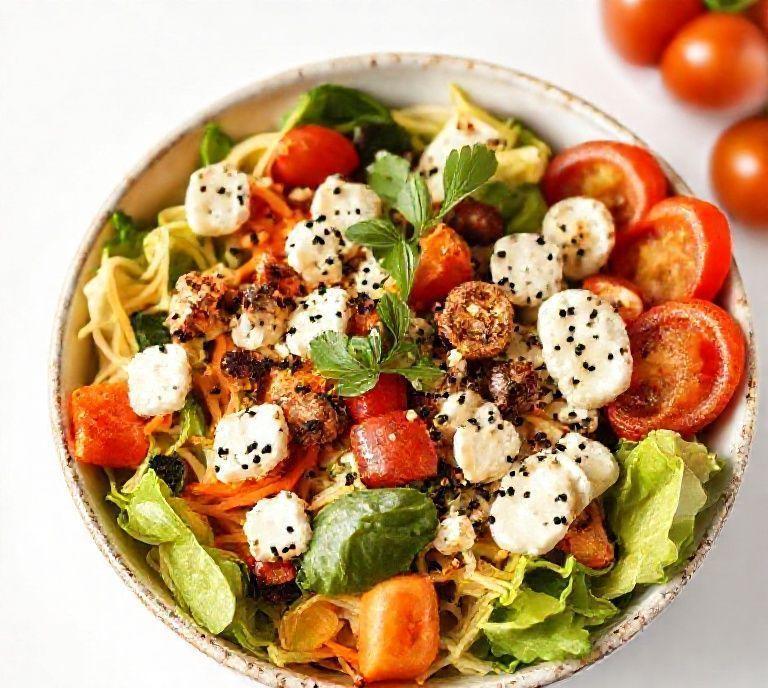
This dish is a symphony of fresh vegetables, creamy hummus, zesty tzatziki, and hearty grains. It’s a crowd-pleaser, yet it doesn’t take hours in the kitchen. Whether you’re a novice cook or a seasoned home chef, you’ll appreciate the simplicity and the bold flavors that come together so effortlessly.
Let me walk you through how you can create this Greek Bowl in your kitchen. Spoiler: it’s way easier than it sounds!
Ingredients Needed
Here’s what you’ll need to get started:
- 1 cup quinoa (or couscous, farro, or rice – your choice!)
- 1 cup cucumber, diced
- 1 cup cherry tomatoes, halved
- ½ cup red onion, thinly sliced
- 1 cup kalamata olives, pitted and halved
- 1 cup chickpeas, cooked or canned
- 1/2 cup feta cheese, crumbled (optional, but highly recommended)
- 1/4 cup fresh parsley, chopped
- 2 tbsp olive oil
- 1 tbsp lemon juice
- Salt and pepper, to taste
For the Tzatziki Sauce:
- 1/2 cup plain Greek yogurt
- 1/2 cucumber, finely grated
- 2 cloves garlic, minced
- 1 tbsp olive oil
- 1 tbsp fresh dill, chopped (or 1 tsp dried dill)
- 1 tbsp lemon juice
- Salt and pepper, to taste
You might notice that some of these ingredients overlap-like the cucumber, which finds its way into both the bowl and the tzatziki. This layered repetition helps create a unified flavor profile that ties the whole dish together.
Cooking Instructions
Start with the quinoa. Cook it according to package instructions (typically 1 cup quinoa to 2 cups water, bring to a boil, then simmer for about 15 minutes). While it’s cooking, use the time to prep your veggies. Dice your cucumber, halve your cherry tomatoes, slice the red onion, and chop up the parsley. If you’re using canned chickpeas, drain and rinse them well. The texture of fresh, cold chickpeas makes this dish feel even more refreshing.
Once the quinoa is done, fluff it with a fork and transfer it to a large mixing bowl. Drizzle with olive oil and a squeeze of lemon juice, and then sprinkle with a pinch of salt and pepper. Give it a good mix.
Now for the fun part: assembling the bowl. Take your quinoa base and layer in the cucumbers, tomatoes, red onion, olives, chickpeas, and feta. If you’ve never had feta in a bowl like this, it’s a game-changer. It crumbles beautifully, adding just the right amount of creaminess and salt.
For the tzatziki, combine the Greek yogurt, grated cucumber, minced garlic, olive oil, dill, lemon juice, salt, and pepper in a small bowl. Mix it all together, and voilà! You’ve got a creamy, tangy sauce that will pull everything together. Drizzle a generous amount over your bowl.
Give it one last gentle stir, or just leave it as is and dive in.
Ingredient Science Spotlight
It’s one thing to love how food tastes, but when you start to learn about the science behind it, it becomes even more fascinating. Let’s take a closer look at the ingredients that really shine in this Greek Bowl:
- Quinoa: Not only is quinoa delicious, but it’s a nutritional powerhouse. It’s a complete protein, meaning it contains all nine essential amino acids your body can’t produce on its own. This makes it an excellent choice for vegetarians and vegans, as it provides the same benefits you’d typically get from meat.
- Cucumbers: These crisp little veggies aren’t just refreshing-they also have a high water content (over 95%), which means they help with hydration. Plus, they’re rich in antioxidants and have anti-inflammatory properties, which is great for overall health.
- Chickpeas: Chickpeas are not only a source of protein but also fiber, which helps keep your digestive system running smoothly. The fiber helps balance blood sugar and keeps you feeling fuller longer, which makes them the perfect addition to a healthy, sustaining bowl.
- Olives: Olives provide healthy monounsaturated fats, which are linked to a reduced risk of heart disease. They also pack in antioxidants, which are great for fighting off inflammation and keeping your skin looking vibrant.
- Tzatziki: This creamy sauce brings more than just flavor to the dish. Greek yogurt is full of probiotics, which support a healthy gut microbiome and aid in digestion. Plus, dill-besides tasting wonderful-has been used for centuries as a natural digestive aid.
Expert Tips
- Cook your grains ahead of time: If you’re meal prepping, cooking your quinoa (or whatever grain you’re using) the night before can save a ton of time the next day. Store it in the fridge, and it’ll be ready to go when you need it.
- Use a variety of textures: The beauty of this dish lies in its combination of textures. The crunchiness of cucumbers, the softness of chickpeas, the creaminess of feta and tzatziki, and the chewiness of quinoa all come together perfectly. If you like more crunch, toss in some toasted almonds or sunflower seeds for an extra bite.
- Adjust seasoning: If you’re someone who loves bold flavors, don’t hesitate to add more lemon, garlic, or herbs to your tzatziki sauce. A bit of extra lemon zest on top of the bowl can make all the difference too.
- Make it ahead: This bowl can be prepped ahead of time. The quinoa and veggies keep well in the fridge for about 3-4 days, and the tzatziki can last for up to a week. Just assemble when you’re ready to eat!
Recipe Variations
- Grilled veggies: For a smokier twist, grill your vegetables before adding them to the bowl. Bell peppers, zucchini, or eggplant all work beautifully with the Greek flavors.
- Add more protein: If you’re looking for more protein, try adding some grilled halloumi or tempeh. Both are fantastic vegetarian protein options that will take your bowl to the next level.
- Sweetness: A drizzle of honey or a handful of dried cranberries can introduce a subtle sweetness that balances the saltiness of the feta and olives.
- Spice it up: For a bit of heat, add a few pickled jalapeños or a sprinkle of red pepper flakes to the bowl or the tzatziki sauce.
Final Words
This Greek Bowl isn’t just about throwing ingredients into a bowl-it’s about creating a harmonious, balanced meal that fuels your body and satisfies your taste buds. It’s simple but flavorful, healthy but indulgent, and endlessly customizable to fit your personal preferences. Whether you stick to the classic recipe or make your own tweaks, it’s guaranteed to be a meal you return to again and again.
FAQs
What Are The Essential Ingredients For A Greek Vegetarian Bowl?
The essential ingredients for a Greek vegetarian bowl typically include quinoa or couscous as a base, topped with fresh vegetables like cucumbers, tomatoes, red onions, and bell peppers. It also often includes olives, feta cheese (or a plant-based substitute), hummus, and a drizzle of olive oil and lemon juice. For added flavor, you can include tzatziki sauce or a Greek dressing made with olive oil, vinegar, garlic, and herbs such as oregano and dill.
Can I Make A Greek Vegetarian Bowl Without Feta Cheese?
Yes, you can absolutely make a Greek vegetarian bowl without feta cheese. For a dairy-free or vegan version, consider using plant-based cheese alternatives, such as vegan feta made from tofu or cashews, or simply omit the cheese entirely. The other components of the bowl, such as hummus, olives, and the fresh vegetables, will still provide plenty of flavor.
How Can I Customize My Greek Bowl To Suit My Dietary Preferences?
You can easily customize your Greek bowl to meet different dietary preferences. For gluten-free diets, use quinoa or rice instead of couscous. If you’re looking to add more protein, consider adding chickpeas, roasted lentils, or grilled tofu. To keep the dish low-carb, substitute the grains with leafy greens such as spinach or arugula. Additionally, you can adjust the toppings based on your tastes by adding ingredients like roasted eggplant, avocado, or a variety of fresh herbs.