
Moussaka-this dish is one of those magical recipes that’s as steeped in history as it is in flavor. If you’ve ever tasted moussaka, you know it’s comfort food with a rich, layered complexity that makes it so much more than just a casserole. But the story of moussaka, especially the Greek version, goes beyond what you’d find on a plate. This is a recipe that represents the heart of Mediterranean cooking: the slow-simmered beauty of vegetables, the earthiness of olive oil, and the warmth of a dish that can feed a whole family.
While traditional moussaka often uses lamb or beef in its filling, there’s a stunning vegetarian variation that honors the same flavors and textures. No meat? No problem. The layers of eggplant, tomatoes, and béchamel sauce still come together perfectly to offer that savory-sweet, melt-in-your-mouth experience that’s both hearty and satisfying. And because it’s loaded with rich plant-based ingredients, you don’t have to miss out on any of the delicious depth that makes this dish a showstopper.
Greek Vegetarian Moussaka Recipe
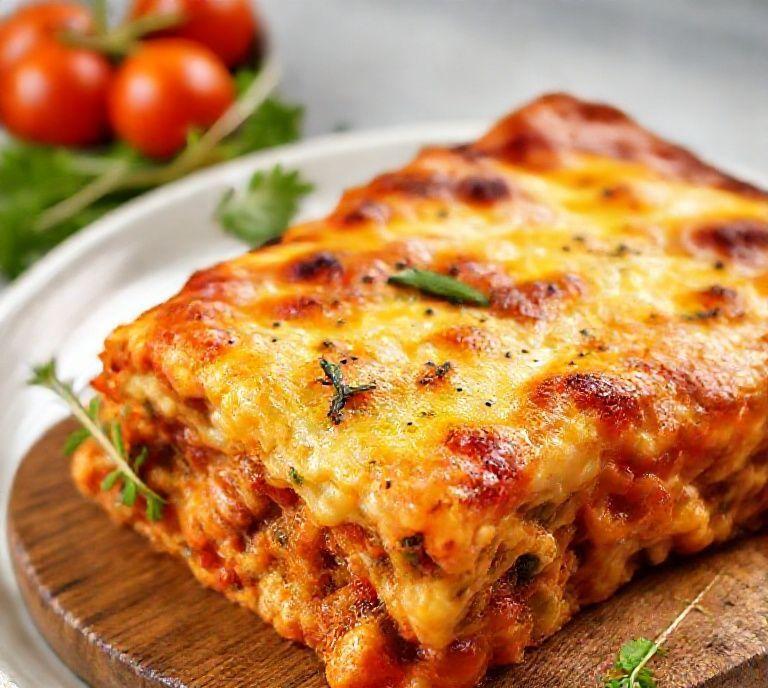
Let’s get to the heart of it: the recipe! Greek vegetarian moussaka is a masterpiece of simplicity that doesn’t skimp on flavor. It’s essentially layers of sautéed eggplant, a rich tomato-based filling, and a creamy béchamel sauce that binds everything together. If you’re craving something that combines the taste of the Mediterranean with the warm, hearty feeling of a Sunday family dinner, this dish is for you.
Ingredients Needed
- 2 medium eggplants – Thinly sliced, these are the backbone of the dish. They add a savory richness that balances out the tomato filling.
- 3 tbsp olive oil – The quality of olive oil really makes a difference here. Try to use a good extra virgin olive oil for that fragrant, grassy flavor that infuses the eggplant and the tomato sauce.
- 1 large onion, finely chopped – The sweet, caramelized onions create the perfect base for the filling.
- 2 cloves garlic, minced – Garlic is one of those ingredients that can take any dish to the next level. Here, it adds a fragrant depth.
- 1 can (400g) crushed tomatoes – This will form the bulk of the sauce, bringing a tangy, sweet contrast to the other ingredients.
- 1/2 cup red wine – If you’re not a wine drinker, don’t worry-this just adds an extra layer of flavor. It’s like the secret ingredient that makes people wonder, ’What”s that magic taste”?
- 1 tsp dried oregano – Greek cooking wouldn’t be Greek without oregano. It’s the herb that ties everything together.
- 1 tsp ground cinnamon – Just a pinch. Cinnamon gives the filling a subtle warmth and complexity, turning a simple tomato sauce into something special.
- 1/2 tsp ground cumin – Adds an earthy, slightly smoky depth.
- 1/2 cup fresh parsley, chopped – A burst of freshness that balances the richness of the eggplant and sauce.
- 1 1/2 cups ricotta cheese – This is the creamy element in the filling that will bind the vegetables and sauce together.
- 1 cup grated Parmesan or kefalotyri cheese – For that beautiful, melty golden top.
-
For The Béchamel Sauce
- 2 tbsp butter
- 2 tbsp all-purpose flour
- 1 1/2 cups milk – Whole milk will give you the creamiest texture, but you can use plant-based milk if you want to keep it vegan.
- Pinch of nutmeg – A classic spice that adds warmth and a little bit of mystery.
- Salt and pepper – To taste.
Cooking Instructions
- Prepare the eggplant: Start by slicing the eggplant into 1/2-inch rounds. Sprinkle each slice lightly with salt and let them sit in a colander for about 30 minutes. This helps draw out excess moisture and bitterness. Rinse and pat dry.
- Sauté the eggplant: In a large pan, heat 2 tablespoons of olive oil over medium heat. Add the eggplant slices in batches and cook until golden brown on both sides. Set the eggplant aside on a paper towel to absorb any excess oil.
- Make the filling: In the same pan, add the remaining olive oil and sauté the onion until soft and translucent, about 5 minutes. Add the garlic and cook for another minute until fragrant. Pour in the red wine and let it simmer until the liquid reduces by half. Add the crushed tomatoes, oregano, cinnamon, cumin, and season with salt and pepper. Let the sauce simmer for 15-20 minutes, stirring occasionally. Once thickened, remove from heat and stir in the fresh parsley and ricotta.
- Make the béchamel sauce: In a saucepan, melt the butter over medium heat. Add the flour and whisk for a minute to create a roux. Gradually add the milk, whisking constantly to prevent lumps. Keep stirring until the sauce thickens to a creamy consistency, about 5 minutes. Stir in the nutmeg, salt, and pepper, then remove from heat.
- Assemble the moussaka: Preheat the oven to 350°F (175°C). In a large baking dish, layer half of the sautéed eggplant at the bottom. Spread half of the tomato-ricotta filling over the eggplant. Repeat with another layer of eggplant and then the remaining tomato filling. Pour the béchamel sauce on top and sprinkle with grated Parmesan or kefalotyri cheese.
- Bake: Place the moussaka in the oven and bake for about 40-45 minutes, until the top is golden and bubbling. Let it rest for at least 15 minutes before serving-this helps the flavors meld together.
Ingredient Science Spotlight
Let’s talk about the science behind some of the key ingredients in this moussaka. Eggplant, for example, contains compounds called phenolics that have antioxidant properties. When cooked, these compounds break down, releasing their bitterness and turning into a silky, tender texture that pairs perfectly with the tomato sauce.
Tomatoes, on the other hand, are rich in lycopene, an antioxidant that gives them their red color and helps protect cells from damage. When cooked, the lycopene in tomatoes is even more bioavailable-meaning your body can absorb it more effectively. This is why slow-cooked tomato sauces are such a health-boosting staple in Mediterranean diets.
The béchamel sauce, with its creamy richness, is a product of the milk-fat combination. The milk proteins (casein) bond with the fat from butter to create that velvety texture that’s a perfect contrast to the heartier elements of the dish.
Expert Tips
- Layering is key: Make sure you pack in all those layers of flavor. Each bite of moussaka should have a bit of eggplant, sauce, and béchamel. Think of it as a Mediterranean lasagna!
- Roast the eggplant: If you don’t feel like frying the eggplant in oil, roasting it in the oven works just as well. It’s a less greasy option and helps concentrate the eggplant’s flavor.
- Rest the moussaka: Like any layered casserole, moussaka benefits from resting after baking. This lets the flavors meld and makes serving a lot easier.
- Use good-quality cheese: The cheese is the star of the béchamel sauce and the topping. Don’t skimp on quality here-it’s worth it for that golden, bubbly crust.
Recipe Variations
- Vegan moussaka: To make this recipe vegan, simply swap out the ricotta for a cashew-based cheese or tofu, and use plant-based milk for the béchamel sauce.
- Add lentils: If you want to add some extra protein to the dish, try incorporating cooked lentils into the tomato filling. They absorb the flavors beautifully.
- Use zucchini: For a twist, add zucchini slices to the eggplant layers, which will add a different texture and fresh flavor.
Final Words
Cooking moussaka isn’t just about putting ingredients together-it’s about creating something that feels like a celebration. Every layer is a testament to the time spent slowly building flavor, and when you take that first bite, you know it’s all been worth it.
Whether you’re making it for a family dinner, a gathering of friends, or just as a treat for yourself, this vegetarian moussaka is bound to leave everyone satisfied. There’s something timeless about this dish-the way it brings people together, sharing stories over a warm meal, and knowing that these Mediterranean flavors have been loved for generations.
FAQs
What Are The Key Ingredients In A Greek Vegetarian Moussaka Recipe?
The key ingredients for a Greek vegetarian moussaka include eggplant (aubergine), potatoes, tomatoes, onions, garlic, olive oil, and a variety of herbs and spices like oregano, cinnamon, and nutmeg. The vegetarian filling typically uses lentils or mushrooms to replace the meat traditionally found in moussaka. A rich bechamel sauce made from butter, flour, milk, and nutmeg tops the dish.
Can I Make Greek Vegetarian Moussaka Ahead Of Time?
Yes, you can make Greek vegetarian moussaka ahead of time. In fact, it often tastes better after the flavors have had time to meld. You can prepare the moussaka up to the point of baking and refrigerate it for 1-2 days. Alternatively, you can freeze it after assembling and then bake it directly from the freezer. If frozen, it’s best to let it thaw in the refrigerator overnight before baking.
What Can I Use As A Substitute For Bechamel Sauce In Greek Vegetarian Moussaka?
If you’re looking for a substitute for the traditional bechamel sauce in a Greek vegetarian moussaka, you can use a plant-based version made with non-dairy milk (such as almond or soy milk) and vegan butter. For a lower-fat alternative, a mixture of silken tofu and nutritional yeast can create a creamy, dairy-free topping. Another option is to use cashew cream for a rich, vegan bechamel alternative.