When you think about comfort food, what comes to mind? For me, it’s always a bowl of something rich and flavorful that immediately feels like a warm hug. One dish that consistently delivers on both flavor and comfort is green curry. There’s something about the blend of fresh herbs, vibrant spices, and creamy coconut milk that makes every bite a little bit of magic. And the best part? You can totally make it your own, tweaking it to fit your taste or dietary preferences.
I’ve always been a fan of curry, but I must admit, I didn’t truly fall in love with green curry until I started making it myself. The first time I tried a homemade version, I was hooked. The balance of spiciness, creaminess, and depth of flavor was unlike anything I’d tasted in a restaurant. It also turned out to be one of those dishes that feels fancy enough for a dinner party but easy enough for a weeknight meal. Over the years, I’ve adapted the recipe and made it my own, experimenting with different ingredients, spices, and cooking techniques. And now, I’m excited to share my favorite vegetarian green curry recipe with you.
Green Curry Vegetarian Recipe
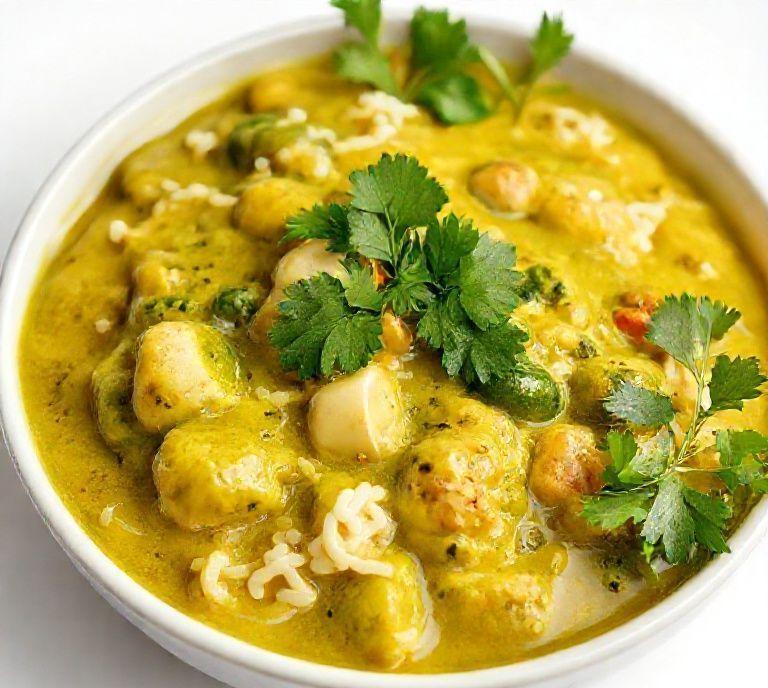
This recipe is vibrant, aromatic, and bursting with fresh vegetables and spices. The beautiful thing about green curry is how customizable it is, and this vegetarian version is packed with all the flavor you could ask for. You’ll find that it’s incredibly satisfying, thanks to the hearty vegetables and creamy coconut milk, with just the right amount of heat to keep things interesting.
Let me walk you through how to make it!
Ingredients Needed
- 2 tablespoons green curry paste: You can use store-bought curry paste, but making your own is surprisingly simple and allows you to control the level of heat. If you’re using store-bought, opt for a high-quality one for the best flavor.
- 1 tablespoon vegetable oil: This will help sauté the curry paste and unlock those bold flavors.
- 1 can (400 ml) coconut milk: Use full-fat coconut milk for that creamy texture that makes this curry irresistible. You can use light coconut milk, but the dish will lose some of its richness.
- 1 cup vegetable broth: This helps balance out the richness of the coconut milk and adds depth to the curry.
- 1 medium onion, chopped: Onions form the base of any great curry and give it a slight sweetness that complements the heat.
- 1 medium carrot, sliced: Carrots add a mild sweetness and crunch.
- 1 zucchini, chopped: Zucchini absorbs the flavors of the curry while keeping things light and fresh.
- 1 red bell pepper, chopped: A pop of color and sweetness, plus it pairs beautifully with the other vegetables.
- 1 cup baby spinach or kale: Greens are a must! You can use spinach for a tender texture, or kale if you want something a little more robust.
- 1 tablespoon soy sauce or tamari: For a touch of umami and saltiness.
- 1 tablespoon brown sugar: A little sweetness balances the spice and tanginess from the curry paste.
- 1 lime, juiced: Lime adds a refreshing zing that brightens up the whole dish.
- Fresh basil leaves (for garnish): Basil not only adds a pop of color but also complements the green curry’s herbs perfectly.
Cooking Instructions
- Heat the oil in a large pot or Dutch oven over medium heat. Once the oil is hot, add the chopped onions and cook them for 3-4 minutes, until they become soft and translucent. The smell of onions cooking is one of my favorite kitchen scents – it’s like an invitation to something wonderful.
- Add the green curry paste and sauté it for 1-2 minutes. You’ll notice the paste start to sizzle and release a fragrant, spicy aroma. Stir occasionally to prevent it from burning. This step is all about unlocking the deep flavors in the curry paste.
- Pour in the coconut milk and vegetable broth, stirring to combine everything. The coconut milk will swirl into the broth, turning everything a luscious creamy color.
- Add your vegetables – the carrots, zucchini, and bell pepper. Bring the mixture to a simmer, and cook for about 10-12 minutes, or until the vegetables are tender but still hold their shape. This part is where the magic happens – the vegetables soak up all that curry goodness and become soft without turning mushy.
- Stir in the spinach or kale, soy sauce, and brown sugar. Let everything simmer for another 3-4 minutes, allowing the greens to wilt and the curry to thicken slightly.
- Taste and adjust seasoning – This is your chance to get it exactly how you like it. Add more lime juice if you want more zing, more soy sauce for saltiness, or a pinch of salt if needed.
- Serve the curry hot, garnished with fresh basil leaves for a pop of color and freshness. I like to serve mine over a bed of jasmine rice or quinoa for a wholesome meal. Enjoy!
Ingredient Science Spotlight
Green curry is an interesting dish when you start to think about the science behind the ingredients. Take coconut milk, for example. It’s not just there for creaminess – its high fat content allows it to emulsify with the spices in the curry paste, creating that beautiful silky texture. Coconut milk also contains medium-chain triglycerides (MCTs), a type of fat that’s thought to be easily absorbed by the body, providing a quick energy source.
Then there’s the green curry paste. The base of it usually includes ingredients like lemongrass, galangal (a root similar to ginger), kaffir lime leaves, and green chilies. These ingredients have been used in Southeast Asian cuisine for centuries because they provide not only distinct flavors but also health benefits. Lemongrass, for instance, has antioxidant properties, while galangal has been known for its anti-inflammatory effects. So, while this dish is a feast for your taste buds, it’s also doing some good for your body.
Expert Tips
- Spice Control: Green curry can pack quite a punch, so if you’re not a fan of too much heat, start with a smaller amount of curry paste and work your way up. You can always add more, but it’s hard to take heat out once it’s in there!
- Make it ahead: Curries are often better the next day after the flavors have had time to meld together. This is a great make-ahead dish, and it also freezes well if you want to save some for later.
- Get creative with vegetables: If you’ve got a fridge full of different veggies, feel free to throw them in. Eggplant, sweet potato, or mushrooms would all be great additions to this curry.
- Fresh herbs make a difference: While basil is my go-to, Thai basil, if you can find it, will elevate the dish even more. It has a slightly spicy, anise-like flavor that perfectly complements the curry’s warmth.
Recipe Variations
This green curry is so versatile, it can easily be adapted to suit different preferences:
- Add protein: For those who aren’t into a fully vegetarian meal, you could add tofu, tempeh, or even chicken. Just sauté the protein separately before adding it to the curry.
- Swap the coconut milk: If you want a lighter version, use a combination of coconut water and almond milk for a more diluted base, though it will lose some of the creamy richness.
- Noodle swap: Instead of serving over rice, try serving your curry with rice noodles, or even soba noodles for a different texture.
Final Words
This green curry is a celebration of vibrant, fresh ingredients. It’s not just about the taste; it’s about how the flavors come together in a beautiful balance – creamy, spicy, sweet, and sour – all wrapped up in one dish. It’s a comforting bowl that feels like a mini escape to a tropical paradise. Plus, it’s incredibly satisfying without feeling heavy, and you can feel good about what you’re putting in your body.
FAQs
What Ingredients Are Needed To Make A Vegetarian Green Curry?
To make a vegetarian green curry, you’ll need ingredients such as coconut milk, green curry paste, tofu or a variety of vegetables (such as bell peppers, zucchini, and carrots), garlic, ginger, soy sauce, lime leaves, and fresh herbs like cilantro or basil. You may also add sugar, fish sauce substitutes (like soy sauce or miso), and a choice of rice or noodles for serving.
Can I Make A Vegetarian Green Curry Without Using Store-bought Curry Paste?
Yes, you can make green curry paste from scratch using ingredients like green chilies, lemongrass, garlic, ginger, shallots, cilantro stalks, and lime zest. Blending these fresh ingredients with spices such as cumin, coriander, and turmeric will give you a flavorful homemade paste. However, store-bought green curry paste is a quicker alternative that still yields excellent results.
What Are Some Ways To Adjust The Spice Level Of Vegetarian Green Curry?
To adjust the spice level of vegetarian green curry, you can modify the amount of green curry paste or add extra chilies to the dish. For a milder curry, use less curry paste or opt for a mild variety. You can also reduce the heat by adding more coconut milk, which will mellow the spiciness. If the curry is too spicy, you can balance it by adding sugar or lime juice for a touch of sweetness and acidity.