I’ve always had a soft spot for gyoza-those crispy, golden dumplings that are a mix of savory goodness and that perfect crispy edge. Gyoza is one of those dishes that seem deceptively simple but, when done right, deliver a comfort so deep it’s almost impossible to put into words. I remember the first time I made them at home. I was in my tiny apartment kitchen, and the sizzle of the dumplings in the pan instantly transported me to my favorite Japanese restaurant. The smell was so comforting, and the joy of making them myself was indescribable. But, let’s be real-when you’re making gyoza from scratch, the best part is eating them, of course.
The beauty of gyoza is that it’s versatile. You can tweak the filling, adjust the seasoning, and add your favorite ingredients. Here’s a vegetarian version that’s just as satisfying as its meaty counterpart. This recipe is packed with flavors, and it’s a great option for vegetarians or anyone looking for a lighter take on the classic.
Gyoza Vegetarian Recipe
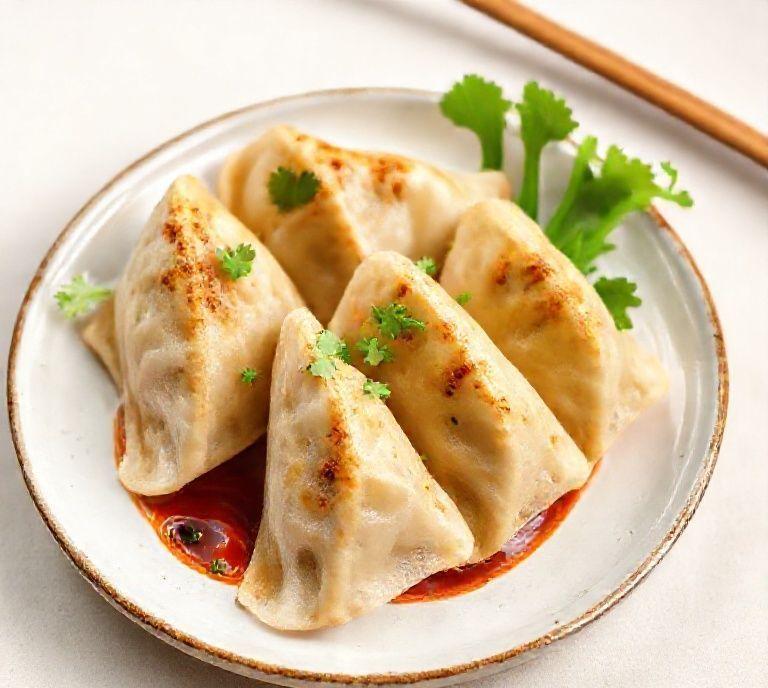
I first stumbled upon this vegetarian version of gyoza during a dinner party I hosted a few years ago. I wanted to offer my guests something beyond the usual meat options but still keep the dish hearty and satisfying. The combination of cabbage, mushrooms, and tofu creates a filling that’s both light and flavorful, with enough umami to keep you coming back for more. The crispy edges of the gyoza are still present, and each bite has a subtle balance of textures. Trust me, it’s a hit at any gathering.
Ingredients Needed
For the gyoza dough:
- 1 cup all-purpose flour
- 1/3 cup hot water
- A pinch of salt
For the filling:
- 1 cup napa cabbage (finely chopped)
- 1/2 cup shiitake mushrooms (or any mushrooms of your choice, finely chopped)
- 1/2 block firm tofu (drained and crumbled)
- 1/4 cup green onions (finely chopped)
- 2 cloves garlic (minced)
- 1 tablespoon grated ginger
- 2 tablespoons soy sauce
- 1 teaspoon sesame oil
- 1 tablespoon rice vinegar
- Salt and pepper, to taste
For cooking:
- Vegetable oil for frying
- A small amount of water (for steaming)
Cooking Instructions
-
Making The Dough
Start by mixing the flour and salt in a large bowl. Slowly add the hot water, stirring as you go, until the dough begins to come together. It should feel firm but not too dry. Knead it on a floured surface for about 5 minutes until it’s smooth and elastic. Cover with a damp towel and let it rest for at least 30 minutes. This gives the gluten time to relax and makes the dough easier to roll out.
-
Preparing The Filling
While the dough is resting, get the filling ready. Heat a pan over medium heat and sauté the cabbage until it wilts and releases its moisture, about 2 minutes. Add the mushrooms, garlic, and ginger, and sauté for another 3-4 minutes until the mushrooms soften. Remove from heat and let it cool.
-
Assembling The Gyoza
Once the cabbage mixture has cooled, add the tofu, green onions, soy sauce, sesame oil, rice vinegar, and a pinch of salt and pepper. Mix well to combine. Roll the dough into a log and cut it into small pieces. Roll each piece into a ball, then flatten it with your palms or a rolling pin to create a thin disc.
-
Filling And Folding
Place a spoonful of the filling in the center of each disc. Carefully fold the dough in half, pinching the edges together to seal, making sure to pleat the edges for that classic gyoza look.
-
Cooking The Gyoza
Heat a tablespoon of vegetable oil in a nonstick skillet over medium-high heat. Place the gyoza in the pan, making sure they’re not touching. Fry until the bottoms are golden brown and crispy (about 3-4 minutes). Then, add a few tablespoons of water to the pan and cover to steam the dumplings for another 5 minutes. Once the water evaporates, remove the lid and cook for another 2 minutes to crisp up the bottoms.
-
Serve And Enjoy
Remove the gyoza from the pan and serve them immediately with a dipping sauce of soy sauce, rice vinegar, and a touch of chili oil for some heat.
Ingredient Science Spotlight
Let’s dive into the ingredients for a second, because there’s a lot of magic happening here.
Tofu: The tofu in this recipe is crucial for its texture. It’s the perfect meat substitute because it soaks up the flavors of the filling while giving the gyoza a satisfying bite. I recommend using firm tofu, and be sure to press it to remove excess water. This keeps the filling from getting too soggy.
Napa Cabbage: The cabbage acts as the base of the filling, adding moisture and crunch. When sautéed, it softens and releases its natural sweetness, which balances out the savory umami flavors of the soy sauce and sesame oil. Plus, it’s packed with fiber and vitamins.
Shiitake Mushrooms: These mushrooms bring an earthy, umami-rich flavor that’s key to making the vegetarian gyoza as satisfying as their meaty counterparts. Shiitakes are also full of antioxidants and can help boost your immune system-so, bonus!
Sesame Oil: A little goes a long way here. This oil adds a nutty, toasted flavor that brings all the ingredients together and enhances their natural tastes. It’s often used in Asian cooking because it adds depth to otherwise simple dishes.
Expert Tips
- Dough Texture: When making the dough, don’t rush it. If it feels too sticky, add a little more flour. If it’s too dry, add a tiny bit of water. The dough should be elastic and soft to the touch. Also, make sure to let it rest, as that’ll make it much easier to roll out.
- The Right Folding Technique: The key to a beautiful gyoza is in the folding. I use the pleating technique, where you make a series of small folds on one side of the dumpling while pinching the other side closed. If you’re new to gyoza folding, don’t stress it too much. Even imperfect folds will still taste amazing.
- Pan-Frying & Steaming Combo: The frying-to-steaming method is what gives gyoza its signature texture: crispy on the bottom and soft and tender on top. Be sure to use a lid when steaming, so the gyoza cook evenly.
- Flavor Adjustments: Feel free to adjust the seasoning of the filling to suit your taste. If you like it spicier, a dash of chili flakes or some hot sauce in the dipping sauce will do the trick. You can also add a splash of mirin for sweetness or a pinch of sugar to balance out the saltiness of the soy sauce.
Recipe Variations
- Mushroom Medley: If shiitake isn’t your thing, try a mix of button mushrooms, oyster mushrooms, or even portobello for a different flavor profile. The texture of the filling will change slightly, but the mushrooms will still provide that deep umami taste.
- Spicy Gyoza: Add some chili paste or fresh chopped chili peppers to the filling for a spicy kick. If you like things fiery, a dollop of chili oil in the dipping sauce adds a perfect amount of heat.
- Sweet & Savory: Try adding a bit of shredded carrot or a dash of hoisin sauce to the filling. The sweetness of the carrot complements the savory cabbage and mushrooms beautifully.
- Crispy Edges: For extra crispy edges, you can drizzle a little oil on the gyoza before steaming, ensuring a golden, crunchy bottom.
Final Words
Making vegetarian gyoza at home isn’t just about eating-it’s an experience. It’s about rolling out that dough, carefully filling each dumpling, and savoring the rewards of your work. Sure, it takes a little time and effort, but the results are completely worth it. These gyoza are perfect for a cozy weeknight dinner or as a fun appetizer for a get-together. They’re one of those dishes that has a way of bringing people together, whether you’re sharing them with friends or enjoying them solo.
FAQs
What Ingredients Are Typically Used In A Vegetarian Gyoza Recipe?
A typical vegetarian gyoza recipe includes ingredients such as napa cabbage, shiitake mushrooms, carrots, garlic, ginger, green onions, tofu or other plant-based proteins, soy sauce, sesame oil, and rice vinegar. Some recipes may also include bean sprouts, water chestnuts, or bok choy for added texture and flavor.
Can I Make The Gyoza Filling Ahead Of Time?
Yes, the gyoza filling can be prepared ahead of time. After mixing all the ingredients together, store the filling in an airtight container in the refrigerator for up to 1 day. However, it’s best to assemble the gyoza and cook them fresh to maintain the best texture and flavor.
How Do I Cook Vegetarian Gyoza For The Best Results?
Vegetarian gyoza can be cooked using three common methods: pan-frying (also called ’potsticker’ style), steaming, or boiling. For pan-frying, heat oil in a non-stick skillet, place the gyoza flat side down, and cook until the bottom is golden. Add water and cover to steam the gyoza until fully cooked. For steaming, place the gyoza in a bamboo steamer lined with parchment paper and steam for about 8-10 minutes. Boiling requires gently cooking the gyoza in a pot of boiling water for about 3-4 minutes until they float.