When it comes to traditional Scottish cuisine, few dishes spark as much passion, debate, and intrigue as haggis. Known for its rich history and its reputation as a quintessentially Scottish dish, it holds a place of pride in the hearts of many. However, for vegetarians or those who simply prefer plant-based alternatives, the thought of haggis can be a bit… daunting. The good news is, you don’t have to miss out on this beloved meal. With a little creativity, you can create a vegetarian version of haggis that stays true to the flavor profile while cutting out all the animal products.
Vegetarian haggis doesn’t mean you have to sacrifice flavor, texture, or tradition. In fact, it can be just as comforting and satisfying as the original version, with the added bonus of being kinder to the planet and your digestive system. Let’s dive into how to make a hearty, flavorful, and authentic-tasting vegetarian haggis that’s perfect for any occasion-whether you’re celebrating Burns Night, a cozy weekend dinner, or simply craving something deeply savory.
Haggis Vegetarian Recipe
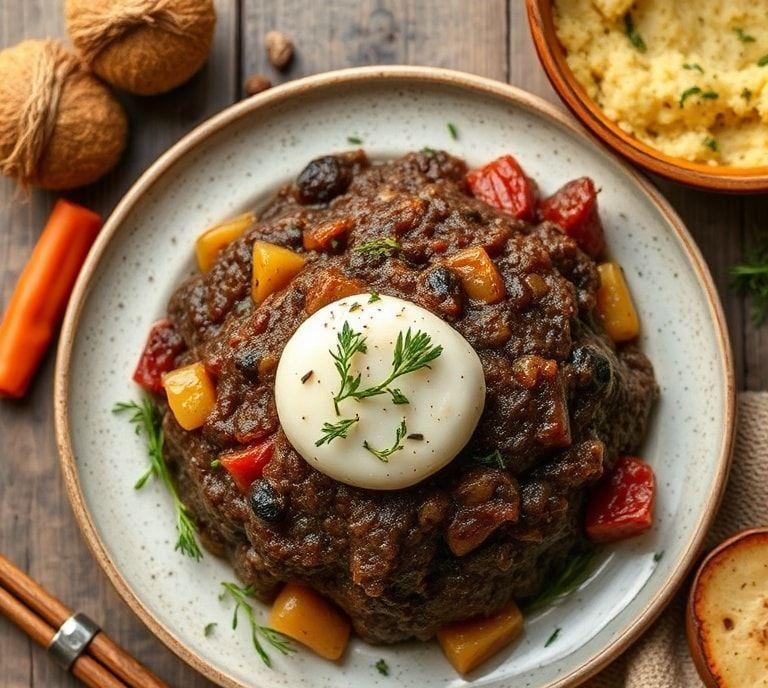
Making a vegetarian version of haggis is about mimicking the rich, earthy flavors of the traditional dish but with a plant-based twist. The core of haggis lies in its combination of grains, pulses, and hearty vegetables-along with an array of warming spices. It’s not about "replacing" the meat; it’s about recreating the texture and flavor complexity that haggis aficionados adore.
This vegetarian haggis is made with lentils, mushrooms, and oats, providing a perfect balance of texture and depth. The addition of spices such as nutmeg, allspice, and black pepper brings a warmth and richness that’s quintessential to haggis. And instead of the traditional sheep’s stomach, we’ll use a simple baking dish or a well-greased foil wrap to cook it, making it easier and more accessible.
Ingredients Needed
For the vegetarian haggis, you’ll need:
- 1 cup of lentils (red or green, depending on your preference)
- 1 large onion, finely chopped
- 2 cloves of garlic, minced
- 1 cup of mushrooms, chopped (any variety, but chestnut or cremini work well)
- 1/2 cup of rolled oats
- 1/2 cup of breadcrumbs (whole wheat for a richer flavor, or regular)
- 1/4 cup of vegetable stock (preferably homemade or low-sodium)
- 2 tablespoons of olive oil
- 1 teaspoon of ground coriander
- 1/2 teaspoon of ground cumin
- 1/2 teaspoon of allspice
- 1/4 teaspoon of nutmeg
- 1 tablespoon of soy sauce or tamari (for umami depth)
- Salt and pepper to taste
- A pinch of smoked paprika (for added smokiness)
- 1/4 cup of fresh parsley, chopped
- 1 tablespoon of fresh thyme, finely chopped (optional, but adds a lovely herbal note)
For cooking:
- Olive oil or vegetable oil (for greasing the baking dish)
- Aluminum foil or a greased oven-safe dish for baking
Cooking Instructions
- Prepare the lentils: Begin by rinsing the lentils under cold water. Place them in a pot, cover with water, and bring to a boil. Lower the heat and let them simmer for about 20-25 minutes or until tender but not mushy. Drain any excess water and set aside.
- Sauté the vegetables: Heat the olive oil in a large skillet over medium heat. Add the chopped onion and cook for about 5 minutes until softened. Add the garlic and mushrooms, and cook for another 5-7 minutes, until the mushrooms release their moisture and become tender. The combination of onions and mushrooms will create a deep, savory base for your haggis.
- Spices and seasoning: Sprinkle in the ground coriander, cumin, allspice, nutmeg, smoked paprika, and a generous pinch of salt and pepper. Stir everything together and let the spices toast for about 1-2 minutes until fragrant. This step is crucial because it deepens the flavor profile of your vegetarian haggis.
- Combine the mixture: Add the cooked lentils, oats, breadcrumbs, and vegetable stock to the skillet. Stir everything well to combine. If the mixture seems too dry, add a little more vegetable stock or water. You’re looking for a thick, cohesive mixture that holds together but isn’t overly stiff.
- Bake the haggis: Grease a small baking dish or wrap the mixture tightly in aluminum foil. Place it in a preheated oven at 375°F (190°C) for about 25-30 minutes. The outside should be golden and crisp, while the inside remains moist and packed with flavor.
- Serve: Once baked, remove from the oven and let it cool for a few minutes. Slice it up and serve with traditional accompaniments like mashed potatoes, neeps (turnips), or a rich gravy.
Ingredient Science Spotlight
- Lentils: The foundation of this vegetarian haggis recipe, lentils provide both texture and protein. Rich in fiber and iron, lentils have a mild flavor that soaks up spices and liquids, making them the perfect base for hearty dishes like haggis. Their ability to hold their shape while cooking gives them that satisfying “bite” that mimics the texture of the traditional meat version.
- Oats: A classic ingredient in haggis, oats add a comforting, slightly nutty flavor and are great at binding the mixture together. They also provide slow-releasing energy, making the dish filling and satisfying. Plus, their soluble fiber helps to balance blood sugar levels.
- Mushrooms: Mushrooms bring an umami richness to the dish, a critical flavor component of traditional haggis. Their earthy, meaty texture mimics the “organ meat” of the original recipe, and they absorb the spices wonderfully, contributing to the deep, savory flavor.
- Spices: The blend of spices used in this recipe-cumin, coriander, nutmeg, allspice, and smoked paprika-creates that familiar warmth and depth that is so iconic in haggis. These spices, when toasted in oil, develop an aromatic, almost caramelized flavor, which is key to making the vegetarian version taste rich and satisfying.
Expert Tips
- Add extra herbs: Fresh thyme and parsley are wonderful in this dish, but don’t be afraid to experiment with other herbs like rosemary, sage, or marjoram. A touch of dill can also add a unique twist if you’re feeling adventurous.
- Customize the texture: If you like a smoother texture, you can pulse the lentils and mushrooms together in a food processor before combining with the oats. This will make the haggis firmer and give it a more ’meaty’ texture.
- Make-ahead: Vegetarian haggis stores beautifully in the fridge. You can prepare it a day in advance, let it cool, and reheat it when ready to serve. The flavors meld together even more after resting, which makes it an excellent make-ahead meal for gatherings.
- Vegan-friendly: This recipe is easily adaptable to vegan diets by substituting the breadcrumbs for a vegan variety and ensuring the vegetable stock is free from any animal products. You can also skip the butter in any serving sides if you’re aiming for a fully plant-based meal.
Recipe Variations
- Spicy Haggis: If you like a bit of heat, add some finely chopped fresh chilies or a teaspoon of chili powder to the spice mix. A dash of hot sauce stirred through before serving could also provide an extra kick.
- Root Vegetable Twist: For added flavor and nutrition, try incorporating root vegetables like grated carrot or parsnip into the mix. They’ll add sweetness and a slightly different texture, enhancing the overall complexity of the dish.
- Nuts for Crunch: For some extra texture, toss in a handful of finely chopped walnuts or pecans. Their crunchy, toasted flavor complements the softer components of the dish beautifully and adds a touch of richness.
Final Words
Vegetarian haggis is a great way to enjoy the flavors of a beloved traditional dish without compromising on taste or texture. It’s hearty, comforting, and surprisingly versatile. Whether you’re enjoying it on a festive occasion like Burns Night or simply looking for a satisfying, plant-based meal, this recipe delivers in spades.
Don’t be afraid to get creative with your own spin on the dish-there’s room for personal interpretation while still staying true to the essence of haggis. And, let’s be honest, there’s something inherently satisfying about cooking a dish that has such a long, rich history while making it your own.
FAQs
What Is A Vegetarian Haggis Made Of?
A vegetarian haggis is a plant-based alternative to traditional haggis, which typically includes sheep’s organs. Instead, the vegetarian version uses ingredients like lentils, mushrooms, oats, onions, and a variety of herbs and spices. These ingredients are combined to replicate the hearty texture and savory flavor of the original dish.
How Do You Prepare A Vegetarian Haggis?
To prepare a vegetarian haggis, you’ll need to cook lentils and mushrooms until soft, then mix them with sautéed onions, garlic, and a variety of seasonings such as nutmeg, black pepper, and thyme. After that, you’ll add oats, vegetable stock, and a bit of flour to help bind the mixture. The mixture is then traditionally wrapped in a muslin cloth and steamed for about an hour. Once done, it can be served with mashed potatoes and turnips for a classic Scottish meal.
Can You Substitute Ingredients In A Vegetarian Haggis Recipe?
Yes, you can easily substitute ingredients in a vegetarian haggis recipe. For example, if you don’t have lentils, you can use other legumes like chickpeas or beans. You can also experiment with different vegetables, such as parsnips or carrots, in place of mushrooms or onions. The key to a successful vegetarian haggis is balancing the textures and flavors, so feel free to adjust based on your personal preferences or what you have available.