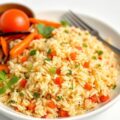
It’s funny how a simple dish can carry the weight of generations. Every culture has its comfort foods-the meals that transcend time and geography, weaving their way into the fabric of daily life. For me, one of those dishes is Harira, a rich, aromatic Moroccan soup traditionally enjoyed to break the fast during Ramadan. It’s been passed down through generations, each cook adding their own twist. Harira is more than just a meal; it’s a symbol of family, togetherness, and the kind of hearty nourishment that feels like a hug from the inside.
While the original recipe is often made with lamb or beef, there’s something magical about the vegetarian version. The vibrant spices, the freshness of the herbs, and the depth of flavors make it just as satisfying. And let’s be honest, there’s a certain joy in creating something so full of warmth and flavor, knowing that it’s also packed with nutrients. Today, I’m excited to share a vegetarian take on Harira, one that’s every bit as comforting and flavorful as the original but without the meat.
Harira Vegetarian Recipe

I remember the first time I tried a vegetarian version of Harira at a small, bustling Moroccan café. It was a rainy day, and I sat by the window, watching the world go by while the steam from the soup warmed my face. There was this perfect balance between the richness of tomatoes, the earthiness of lentils, and the sharp bite of fresh herbs. Every spoonful felt like an embrace from an old friend. I decided right then and there that I’d need to recreate this at home, and after several attempts, I finally found a recipe that felt just right.
Ingredients Needed
One of the things that makes Harira so special is the variety of ingredients it brings together. Despite being a humble soup, it’s got layers of flavor. Here’s what you’ll need to create this comforting dish:
- Olive oil – It adds a rich, fruity base for sautéing the vegetables and creates the first depth of flavor.
- Onions – I use two, finely chopped. Onions are the backbone of so many Moroccan dishes; they’re where the flavors start to develop.
- Celery – Adds a subtle, fresh bite that contrasts with the richness of the other ingredients.
- Tomatoes – Fresh, ripe tomatoes make the base of the soup; their sweetness is the perfect counterbalance to the other spices.
- Chickpeas – These offer a hearty, satisfying texture and are an important part of the dish.
- Lentils – I usually use green or brown lentils. They hold up well in the soup and absorb the flavors beautifully.
- Fresh parsley & cilantro – Both herbs bring brightness to the dish. Don’t skip these; they elevate the entire experience.
- Spices – This is where Harira gets its soul. You’ll need cinnamon, ginger, turmeric, paprika, black pepper, and saffron if you have it. The combination of these spices is intoxicating and gives Harira its signature warmth and depth.
- Vegetable broth – For a plant-based version, vegetable broth is a must. It carries all the flavors without overpowering them.
- Rice – A small handful of rice or vermicelli noodles can be added for a little extra comfort and substance.
- Lemon – A fresh squeeze of lemon at the end adds brightness and ties everything together.
Cooking Instructions
Now, let’s talk about how to bring all these ingredients together into a magical pot of soup. Don’t let the number of ingredients intimidate you. This is a simple, forgiving recipe that rewards patience.
- Sauté the aromatics – Heat a couple of tablespoons of olive oil in a large pot over medium heat. Add the chopped onions and celery and sauté until they’re softened, about 5 minutes. You’ll start to smell the sweetness of the onions-this is your base.
- Add the spices – Add the ginger, cinnamon, turmeric, paprika, and a pinch of black pepper. Stir them into the onions and celery, letting the spices bloom for a minute or two. The smell should be incredibly fragrant-this is where the magic begins.
- Tomatoes and broth – Add the chopped tomatoes and let them cook down for about 5 minutes, until they start to break apart. Then, pour in the vegetable broth and bring the mixture to a simmer. At this point, add the saffron (if using). It’ll add a golden hue and delicate flavor.
- Lentils and chickpeas – Now, toss in the lentils and chickpeas. Stir everything together and let it cook for about 20 minutes, until the lentils are tender.
- Rice and herbs – If you’re using rice or vermicelli, now’s the time to add it. Stir in a handful of fresh parsley and cilantro, and let the rice cook until tender-another 10 minutes or so.
- Finish with lemon – Once the soup is done, remove it from heat and give it a good squeeze of lemon juice. Taste and adjust for salt and pepper. The acidity from the lemon will brighten the soup and balance the flavors beautifully.
Ingredient Science Spotlight
Now, let’s talk about the science behind some of these ingredients. Every component in Harira plays a crucial role, not just in taste, but in texture and nourishment. For instance, lentils are a powerhouse of plant-based protein and fiber. They absorb the broth and spices, making them both filling and satisfying without the need for meat. Chickpeas add a buttery texture, making the soup feel rich without being heavy. The tomatoes not only provide a tangy base but also are rich in lycopene, an antioxidant that helps protect against cellular damage.
Then there’s olive oil, a healthy fat that’s packed with anti-inflammatory properties. This fat carries the flavor of the spices and herbs throughout the soup, making every spoonful a harmonious blend. The spices in Harira-ginger, turmeric, and cinnamon-each have their own unique health benefits. Ginger is great for digestion and soothing inflammation, while turmeric contains curcumin, which is a potent anti-inflammatory and antioxidant.
Expert Tips
- Make it ahead – Like most soups, Harira actually gets better with time. If you can, make it a day or two in advance. The flavors will meld and deepen, making each spoonful more flavorful than the last.
- Blend it – If you like your soup on the creamy side, try blending part of it (or the whole thing) with an immersion blender. This will give you a smoother texture while still keeping some hearty chunks for contrast.
- Spice to taste – Adjust the amount of spices depending on your heat tolerance. Moroccan food is known for being flavorful but not necessarily fiery hot. Taste as you go and add more or less depending on your preference.
- Garnish – Don’t forget the finishing touches! A little extra fresh parsley, a dollop of yogurt, or a slice of lemon on the side can really elevate the dish.
Recipe Variations
This is one of those recipes that invites creativity. You can add or substitute ingredients based on what you have on hand.
- Add more vegetables – Try adding carrots, zucchini, or bell peppers for extra color and nutrients.
- Use different legumes – If chickpeas aren’t your thing, you can swap them out for white beans or even kidney beans.
- Spices – If you don’t have saffron, don’t worry! You can substitute with a pinch of turmeric and a bit more paprika to get that rich golden color.
- Grains – If you’re not in the mood for rice, try quinoa or couscous for a different texture.
Final Words
When I make Harira, I think about all the times I’ve enjoyed it with family, friends, and even strangers in a bustling café. It’s a dish that brings people together, no matter where you’re from or what language you speak. The joy is in the sharing-the warmth of the soup, the vibrant colors, the fragrant spices. Harira feels like a reminder to slow down, savor, and take the time to enjoy the good things in life.
FAQs
What Is Harira And What Are Its Main Ingredients In The Vegetarian Version?
Harira is a traditional Moroccan soup, typically served during Ramadan. In its vegetarian version, it is made with ingredients such as lentils, chickpeas, tomatoes, onions, celery, carrots, parsley, and cilantro. It is flavored with a blend of spices like ginger, turmeric, cinnamon, and saffron, providing a rich and aromatic taste. The soup is thickened with a small amount of flour or rice and often served with dates or bread.
Can I Substitute Any Ingredients In The Vegetarian Harira Recipe?
Yes, many ingredients in the vegetarian Harira recipe can be substituted based on dietary preferences or availability. For example, if you’re unable to find saffron, turmeric can be used as an alternative for color and flavor. You can also replace chickpeas with other legumes such as fava beans. If you prefer a gluten-free version, you can skip the flour and use a cornstarch slurry to thicken the soup. Additionally, you can adjust the vegetables based on what’s in season or your preference.
How Long Does It Take To Prepare And Cook Vegetarian Harira?
Preparing and cooking vegetarian Harira generally takes around 1 to 1.5 hours. The preparation involves chopping vegetables and soaking the chickpeas (if dried). Cooking the soup itself takes about 40-50 minutes, allowing the ingredients to blend and the soup to thicken. If you use canned chickpeas, the cooking time will be reduced, making the process faster. It’s common to let the soup simmer for a while to develop deeper flavors, especially if you’re making it in advance.