It’s not always easy to whip up something that’s healthy, easy, and vegetarian all at once. As someone who enjoys food that’s both nourishing and delicious, I’ve come to appreciate the simplicity of vegetarian meals that don’t require hours in the kitchen or a massive grocery list. One of my favorite go-to dishes is a hearty vegetable stir-fry. It’s a perfect example of how wholesome ingredients, combined with a bit of technique, can create a satisfying meal without any fuss. So today, I want to share a recipe that’s become a staple for me – a simple yet nourishing Vegetable Stir-Fry with Tofu. It’s one of those meals that’s versatile, full of flavor, and keeps me coming back for more.
What’s great about this recipe is that it doesn’t require a long list of complex ingredients. You can swap out vegetables based on what’s in season or what you have in your fridge. But what I love most about it is how quickly it comes together, making it an ideal weeknight dinner or even a meal prep option for busy days. Let’s dive in.
Healthy Easy Vegetarian Recipe
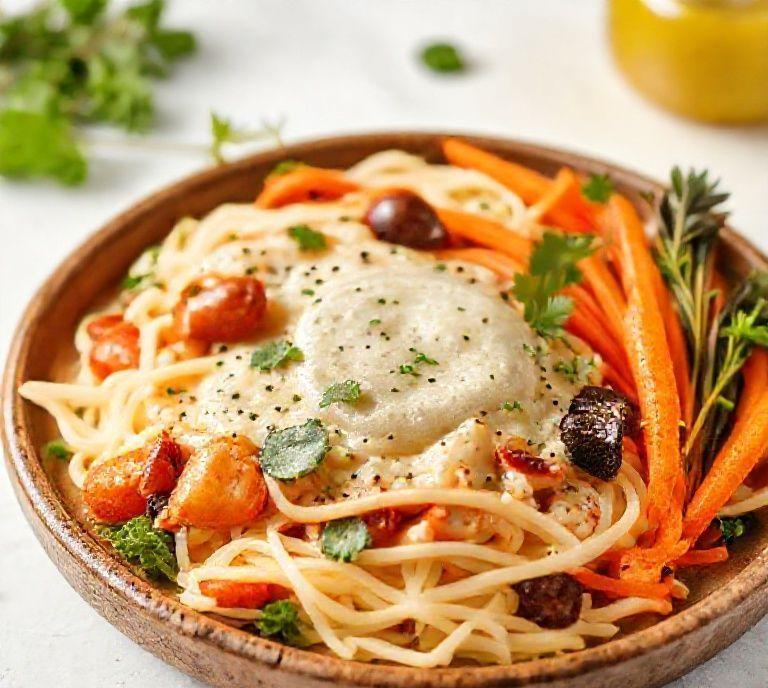
This vegetable stir-fry is as flexible as it is flavorful. You can pack it with all sorts of colorful veggies – from bell peppers and broccoli to snap peas and carrots. And, of course, the tofu adds protein to keep you feeling full and satisfied without being overly heavy. The beauty of stir-fry lies in its simplicity: toss everything into a hot pan, season it, and you’re done.
I always look forward to making this meal because it never feels repetitive, even though I make it often. That’s the beauty of stir-frying – each time, you can switch up the veggies or the sauce to suit your mood or the season. Sometimes I throw in some cashews or peanuts for crunch, or toss in a bit of chili paste when I want a little heat.
It’s also a great way to clear out leftover vegetables in the fridge. The stir-fry is like a canvas, and each time I make it, I get a little more creative, experimenting with new flavor combinations.
Ingredients Needed
Here’s what you’ll need for the base recipe:
- Firm tofu (1 block): This is the star of the show, providing plant-based protein and a lovely texture that soaks up all the sauce. If you’ve never pressed tofu before, don’t skip this step – it helps get rid of excess water so the tofu can absorb more flavor.
- Assorted vegetables (about 4 cups total): Think bell peppers, broccoli, carrots, snow peas, or whatever’s in season. I like a mix of crunchy veggies and some that cook down a bit, like mushrooms or zucchini.
- Soy sauce (3 tablespoons): For that savory, umami flavor that ties everything together.
- Garlic (2 cloves): A must for that aromatic base. If you’re like me, you might even throw in an extra clove or two, because garlic makes everything better.
- Fresh ginger (1 tablespoon): This adds a nice, warm zing to the dish. I always keep some ginger on hand for stir-fries and curries.
- Sesame oil (1 tablespoon): Adds depth and a touch of nuttiness to the dish. This is my secret weapon when I want a hint of authenticity.
- Rice vinegar (1 tablespoon): A little tang goes a long way, balancing the savory flavors and giving the dish some freshness.
- Cornstarch (1 teaspoon): This is optional, but it helps thicken the sauce and gives it a glossy, restaurant-style finish.
- Coconut oil (or any high-heat oil, 2 tablespoons): For stir-frying. You want something that can handle the heat without burning.
- Optional garnish: Sesame seeds or chopped green onions. These are the little finishing touches that elevate the dish and add texture.
Cooking Instructions
- Press the tofu: Start by pressing the tofu to remove excess moisture. Place the block on a plate, put another plate on top, and then weight it down with something heavy (like a can or a book). Let it sit for about 15-20 minutes, then cut it into cubes.
- Prep the veggies: While the tofu is pressing, chop up your vegetables. I like to slice the carrots thinly, cut the bell peppers into strips, and break the broccoli into bite-sized florets.
- Make the sauce: In a small bowl, mix together the soy sauce, rice vinegar, sesame oil, ginger, garlic, and cornstarch. Stir it all together until the cornstarch dissolves.
- Cook the tofu: Heat a large pan or wok over medium-high heat and add a tablespoon of coconut oil. Once it’s hot, add the tofu cubes and cook for about 5-7 minutes, flipping them occasionally until they’re golden and crispy on all sides. Once done, remove them from the pan and set aside.
- Stir-fry the veggies: In the same pan, add another tablespoon of coconut oil. Toss in the carrots first, as they take a little longer to cook, and stir-fry for about 2 minutes. Then, add the bell peppers, broccoli, and any other vegetables you’re using. Stir-fry for another 5-7 minutes, until the vegetables are tender-crisp.
- Bring it all together: Return the tofu to the pan with the veggies, and pour in the sauce. Stir everything together so the tofu and veggies are well-coated. Let it cook for another 2-3 minutes, allowing the sauce to thicken and coat everything.
- Serve: Serve the stir-fry over cooked rice, quinoa, or even noodles. Garnish with sesame seeds and green onions if you like.
Ingredient Science Spotlight
There’s some interesting science behind a few of the ingredients in this dish. Let’s talk about tofu for a moment. Tofu is made from soybeans, which are high in protein and contain all the essential amino acids that our bodies need. It’s often used as a meat substitute in vegetarian dishes because of its ability to absorb flavors, and it’s also a great source of iron and calcium.
Another key player is ginger. It’s not just for flavor-it has anti-inflammatory properties, helps with digestion, and can even help reduce nausea. The zingy kick it provides in this dish isn’t just delicious, it’s also beneficial for your health.
Finally, let’s touch on sesame oil. This oil is rich in antioxidants, especially sesamol and sesaminol, which help protect your cells from oxidative stress. It’s also a great source of healthy fats, specifically polyunsaturated fats, which can help lower bad cholesterol levels.
Expert Tips
- Pressing tofu: Don’t skip pressing the tofu! If you don’t have a tofu press, you can wrap the tofu in a clean kitchen towel and press it with a heavy pan. The more moisture you remove, the crispier and more flavorful your tofu will be.
- High-heat oil: Use a high-heat oil like coconut oil or avocado oil to prevent burning during stir-frying. These oils have a higher smoke point than olive oil, making them better for cooking at high temperatures.
- Veggie variety: If you have leftover vegetables, this is the perfect recipe to throw them in. I’ve used everything from kale to spinach to zucchini in the past, and they all work beautifully.
- Make ahead: You can make the stir-fry in advance and store it in the fridge for up to 3 days. The flavors will meld even more after a day or two!
Recipe Variations
The beauty of a stir-fry like this is that it can easily adapt to what you have on hand or what you’re craving. Here are a few variations you can try:
- Add some heat: If you like spicy food, toss in some chili flakes, fresh red chilies, or a splash of sriracha to give it a kick.
- Noodles: Swap out the rice for cooked noodles-rice noodles, soba noodles, or even udon would work great.
- Other proteins: You can substitute the tofu with tempeh, chickpeas, or even edamame for different textures and flavors.
- Peanut sauce: For a fun twist, make a peanut sauce by combining peanut butter, soy sauce, ginger, garlic, and a touch of maple syrup or honey. Pour it over the stir-fry for a rich, creamy flavor.
Final Words
This vegetable stir-fry is the kind of recipe that makes you feel good both while you’re eating it and after. It’s nourishing without feeling heavy, packed with flavor and texture, and so customizable. Whether you’re a seasoned cook or someone who’s just starting out in the kitchen, this dish can be easily adapted to fit your tastes and what’s available.
FAQs
What Are Some Quick And Easy Vegetarian Recipes For Beginners?
Some quick and easy vegetarian recipes for beginners include vegetable stir-fries, pasta with roasted vegetables, and simple grain bowls with quinoa or rice. These dishes often require minimal ingredients and preparation, making them ideal for those new to vegetarian cooking.
How Can I Make Sure My Vegetarian Recipes Are Balanced And Nutritious?
To ensure your vegetarian recipes are balanced and nutritious, include a variety of vegetables, legumes, whole grains, and healthy fats. Aim for a mix of protein-rich ingredients like beans, lentils, tofu, and tempeh, and incorporate colorful vegetables to provide a range of vitamins and minerals.
Can I Make A Vegetarian Recipe Without Using Dairy Or Eggs?
Yes, many vegetarian recipes can be made without dairy or eggs by using plant-based alternatives. For instance, use almond milk or oat milk instead of dairy, and substitute eggs with flaxseed meal or chia seeds for binding in recipes like pancakes or baking.