If you’re like me, pasta has always been a comforting go-to meal. There’s something about a warm, hearty bowl of noodles that feels like a hug, especially after a long day. But as much as I love my classic pasta dishes, I’ve been on the lookout for ways to make them a little lighter, more nutritious, and of course, delicious. That’s when I stumbled upon the idea of creating a healthy, vegetarian pasta recipe. I wanted something that didn’t sacrifice flavor but still gave me the kind of satisfying meal that makes me feel good-physically and mentally.
What’s great about pasta is its versatility. You can mix it with a wide range of vegetables, legumes, and herbs to create a dish that’s as colorful and vibrant as it is nutritious. The idea is to make the vegetables the star of the show, while still letting the pasta shine. This isn’t your typical pasta with a heavy sauce that leaves you feeling sluggish. Instead, it’s a lighter, plant-powered version that makes you feel energized.
So, whether you’re vegetarian, trying to cut down on your meat consumption, or just in the mood for a delicious, wholesome meal, this healthy pasta recipe is one that you can easily whip up and enjoy. Let’s dive into the details of the recipe, the ingredients, and some tips to make it even better!
Healthy Pasta Vegetarian Recipe
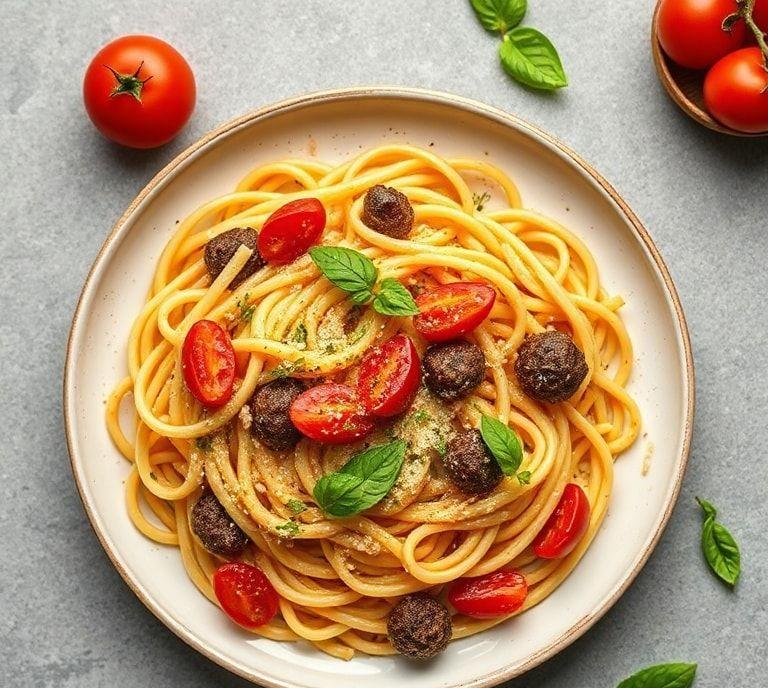
This recipe is designed to be packed with flavor, color, and nutrients while still being super easy to prepare. It’s a simple dish with fresh vegetables, olive oil, garlic, and a few aromatic herbs to tie it all together. You can use any type of pasta you love-spaghetti, penne, fusilli, or even gluten-free pasta if that’s your thing. The beauty of this recipe is how adaptable it is, and the ingredients will change based on what’s in season or what you have in your kitchen at the moment.
Here’s the thing, though: it’s not just about eating veggies. It’s about creating a balance of textures, flavors, and freshness that makes you forget you’re eating something healthy. The pasta holds its own with a slight al dente bite, while the roasted vegetables add a depth of flavor that you’d expect from a much more complex dish.
Ingredients Needed
For The Pasta
- 1 pound of your favorite pasta (I like whole wheat or chickpea pasta for added fiber and protein, but anything will work)
- Salt for the water
For The Vegetable Medley
- 1 medium zucchini, diced
- 1 medium yellow bell pepper, diced
- 1 cup cherry tomatoes, halved
- 1 cup spinach (or kale for a heartier option)
- 1 small red onion, thinly sliced
- 2 cloves garlic, minced
- 1 tablespoon olive oil (for sautéing)
- Salt and pepper, to taste
For The Sauce And Seasoning
- 2 tablespoons olive oil (for drizzling)
- 1 tablespoon balsamic vinegar
- Fresh basil, chopped (or any herb you prefer, like parsley or thyme)
- Red pepper flakes (optional, for a little kick)
- Grated parmesan or nutritional yeast for a vegan option (optional, but recommended for flavor depth)
Optional Extras For Added Protein
- 1/2 cup chickpeas (canned or cooked from dried)
- 1/4 cup pine nuts or walnuts, toasted
Cooking Instructions
- Start with the pasta. Bring a large pot of salted water to a boil and cook your pasta according to the package instructions, usually about 8-10 minutes, until it’s al dente. Once done, reserve a cup of pasta water for later (this helps thicken and flavor the sauce). Drain the pasta and set aside.
- Prep your veggies. While the pasta is cooking, heat 1 tablespoon of olive oil in a large skillet over medium heat. Add the onion and garlic and sauté until fragrant-about 2 minutes. Add the bell pepper and zucchini and cook for another 4-5 minutes, stirring occasionally.
- Add the tomatoes and spinach. Stir in the cherry tomatoes and cook for another 2 minutes, letting them soften a bit. Add the spinach and cook until it wilts, about 1 minute.
- Combine everything. Once the vegetables are perfectly cooked (tender but still vibrant), toss in your drained pasta, and give everything a good stir. If it feels a little dry, add a splash of the reserved pasta water to loosen it up.
- Finish the dish. Drizzle the balsamic vinegar and remaining olive oil over the pasta. Season with salt, pepper, and red pepper flakes (if you want that little kick). Toss everything until well combined, and garnish with fresh herbs, toasted nuts, and a sprinkle of parmesan or nutritional yeast.
- Serve and enjoy! The dish is ready to serve immediately. I love pairing this with a side of roasted garlic bread or a light salad to round it out.
Ingredient Science Spotlight
Let’s talk about some of the science behind these ingredients and why they’re so great for you.
Whole Wheat Pasta: It’s easy to forget that pasta can actually be nutritious! Whole wheat pasta has more fiber than traditional white pasta, which can help keep your digestive system happy and keep you feeling fuller longer. The fiber also helps regulate blood sugar levels, preventing those energy crashes that can happen with refined carbs.
Zucchini and Bell Peppers: Both of these veggies are rich in antioxidants, vitamins A and C, and potassium. Zucchini, in particular, is a hydrating vegetable due to its high water content, which helps keep you feeling refreshed. Bell peppers are loaded with vitamin C, which is key for immune support and skin health.
Spinach and Garlic: Spinach is a leafy green that’s packed with iron and magnesium, helping to support muscle function and blood health. Garlic isn’t just for flavor-it’s also known for its heart-health benefits. The sulfur compounds in garlic have been shown to help lower blood pressure and cholesterol.
Olive Oil: Extra virgin olive oil is rich in monounsaturated fats, which are heart-healthy fats. It’s also packed with antioxidants that fight inflammation and may even help lower the risk of chronic diseases like cancer and Alzheimer’s.
Expert Tips
- Don’t overcook your veggies. The key to making this dish really pop is keeping the vegetables vibrant and just tender enough. Overcooking them can cause them to lose their color and texture, which diminishes the dish’s visual appeal and overall flavor.
- Add a protein boost. If you want to make this meal more filling, throw in some chickpeas or roasted tofu. They blend perfectly with the veggies and add a nice protein punch.
- Go easy on the pasta water. When you add pasta water to the pan, go slow and add just a little at a time. The goal is to create a light sauce that coats the pasta, not to make it soupy.
- Experiment with different veggies. You don’t have to stick to zucchini and bell peppers. Try adding roasted eggplant, mushrooms, or even artichokes for a different flavor profile.
- Herbs matter. Fresh herbs, especially basil or thyme, add so much flavor. Don’t skimp on them. A sprinkle on top right before serving makes a huge difference.
Recipe Variations
Creamy Veggie Pasta: If you love a creamy texture, you can easily turn this into a creamy pasta by adding a dollop of Greek yogurt or some cashew cream to the veggie mix. It’s a great way to get that rich, velvety feel without the heavy cream.
Pasta Primavera: Make it a true primavera by using any seasonal vegetables you can get your hands on-think asparagus, peas, or even roasted carrots. Swap out the balsamic vinegar for lemon juice for a brighter, citrusy twist.
Pasta with Pesto: If you have a jar of homemade or store-bought pesto sitting in your fridge, stir in a couple of tablespoons for a quick flavor upgrade. The basil, garlic, and olive oil will complement the veggies perfectly.
Final Words
This healthy vegetarian pasta is one of those meals you can feel good about eating-both in terms of flavor and nutrition. It’s fresh, easy to make, and packed with all the things your body loves. Plus, it’s versatile enough to customize with whatever veggies you have in the fridge. Whether you’re cooking for yourself or entertaining friends, this dish is a hit. It’s comforting, nourishing, and just plain delicious.
FAQs
What Are Some Healthy Vegetarian Pasta Recipes?
Some popular healthy vegetarian pasta recipes include whole wheat pasta with roasted vegetables, zucchini noodles with pesto, and pasta with a tomato-basil sauce. You can add protein-rich ingredients like chickpeas, lentils, or tofu, and top with a variety of fresh vegetables like spinach, bell peppers, and mushrooms. Choosing whole grain or gluten-free pasta options adds additional fiber and nutrients.
Can I Make A Healthy Vegetarian Pasta Without Cheese?
Yes, you can make a healthy vegetarian pasta without cheese by using plant-based alternatives or simply omitting it. Consider using nutritional yeast for a cheesy flavor or incorporate avocado for a creamy texture. You can also add toasted nuts or seeds, such as pine nuts or sunflower seeds, for a crunchy finish and additional nutrients.
How Do I Make A Healthy Pasta Sauce For Vegetarian Pasta?
A healthy pasta sauce can be made by using fresh ingredients like tomatoes, garlic, onions, and herbs. For a creamy sauce without dairy, you can blend cashews, almond milk, or tofu to create a rich texture. Another option is a pesto sauce made with basil, garlic, olive oil, and nuts like walnuts or almonds, which adds healthy fats and flavor.