Moussaka is one of those comfort foods that carries a sense of home, warmth, and hearty satisfaction. Growing up, I remember the rich smell of baked vegetables and herbs wafting through the kitchen as my grandmother prepared it. Although the classic moussaka is typically made with lamb or beef, I’ve always been drawn to the idea of creating a vegetarian version that doesn’t skimp on flavor or texture. The blend of tender vegetables, creamy béchamel sauce, and golden, crispy top makes for a dish that’s both filling and indulgent, without relying on meat.
This healthier, vegetarian twist on the classic Greek moussaka swaps out the meat for hearty, wholesome vegetables like eggplant, zucchini, and mushrooms. It’s a dish that’s rich in flavor, satisfying, and, with the right adjustments, can be made lighter without losing the essence of what makes moussaka so special. Whether you’re a long-time vegetarian, looking to eat more plant-based meals, or simply trying to incorporate some wholesome dishes into your week, this vegetarian moussaka is the perfect meal to try.
Healthy Vegetarian Moussaka Recipe
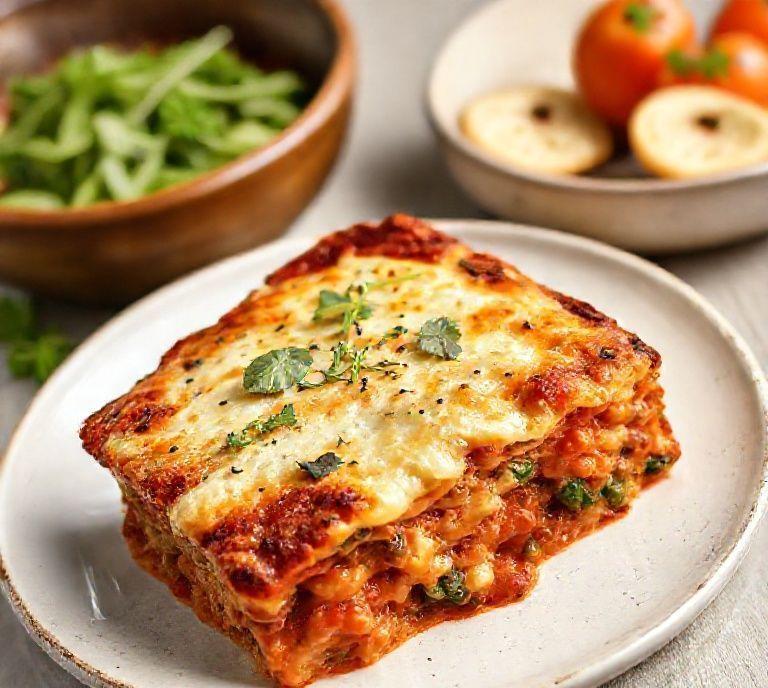
What’s great about this healthy version of moussaka is that it retains all the familiar comforting aspects of the traditional dish-layered vegetables, a creamy sauce, and a baked-to-perfection finish-while using wholesome, plant-based ingredients. The secret lies in using a combination of mushrooms, lentils, and zucchini in place of meat, which still gives you a hearty filling, rich in both taste and texture. And of course, instead of the classic béchamel made with butter and cream, I’ve swapped in a lighter version using olive oil, flour, and plant-based milk.
So, let’s get into it! Here’s the recipe that will have your kitchen smelling amazing and your taste buds thanking you.
Ingredients Needed
For this dish, you’ll need a selection of vegetables, spices, and a few pantry staples that come together to create a wonderfully satisfying meal. Here’s what you’ll need:
For The Vegetable Layers
- 2 medium eggplants – Slice them into 1/4-inch rounds. These will be your main base and provide that tender texture that moussaka is known for.
- 2 zucchinis – Slice them just like the eggplant. Zucchini helps bring a fresh, mild flavor to balance the richness of the sauce.
- 2 tablespoons olive oil – To sauté the vegetables and add richness.
- Salt and pepper – To season the veggies and bring out their natural flavors.
For The Mushroom And Lentil Filling
- 2 cups mushrooms – Finely chopped. Mushrooms bring that umami depth that mimics the meaty flavor.
- 1 cup cooked green lentils – A great plant-based source of protein. Lentils will add heartiness to the filling, giving it structure and depth.
- 1 medium onion – Diced. Onion forms the flavor base for your filling.
- 3 cloves garlic – Minced. Adds that fragrant, savory layer to the dish.
- 1 can crushed tomatoes (400g) – The tomatoes give the filling a rich, savory sauce.
- 2 teaspoons dried oregano – A classic herb for moussaka. It brings a warm, Mediterranean flavor.
- 1/2 teaspoon cinnamon – This is a key element in traditional moussaka. It gives the dish a subtle warmth that you might not immediately pinpoint, but it elevates the entire dish.
- Olive oil – For sautéing the vegetables and creating that flavorful base.
For The Béchamel Sauce
- 2 tablespoons olive oil – Instead of butter, olive oil gives the sauce a lighter base while still adding richness.
- 2 tablespoons flour – To thicken the sauce and give it that creamy texture.
- 2 cups unsweetened almond milk – Any plant-based milk will work here, but almond milk provides a subtle, neutral flavor.
- 1/4 teaspoon ground nutmeg – A classic addition to béchamel that complements the dish’s flavors.
- Salt and pepper – For seasoning the sauce to taste.
Cooking Instructions
- Prepare the vegetables: Start by preparing the eggplant and zucchini. Lay the slices out on paper towels and sprinkle with a little salt. This helps draw out excess moisture and bitterness from the eggplant. After about 20 minutes, blot them dry with another paper towel. Heat a pan over medium heat, add a tablespoon of olive oil, and sauté the eggplant and zucchini slices in batches until they’re golden brown and tender. Set them aside.
- Make the lentil-mushroom filling: Heat another tablespoon of olive oil in a large skillet over medium heat. Add the onions and garlic and cook for about 5 minutes, or until softened and fragrant. Then, add the mushrooms and cook until they release their moisture and start to brown. Stir in the cooked lentils, crushed tomatoes, oregano, cinnamon, salt, and pepper. Let the mixture simmer for about 10 minutes, so the flavors meld together. Once done, remove from heat.
- Prepare the béchamel sauce: In a medium saucepan, heat 2 tablespoons of olive oil over medium heat. Whisk in the flour and cook for about 1-2 minutes to form a roux. Slowly add the almond milk, whisking constantly to avoid lumps. Keep whisking until the sauce thickens and coats the back of a spoon (about 5-7 minutes). Add the nutmeg, salt, and pepper, and stir to combine. Remove from heat.
- Assemble the moussaka: Preheat your oven to 375°F (190°C). In a large baking dish, start with a layer of eggplant slices at the bottom. Top with half of the lentil-mushroom mixture. Repeat the layers with zucchini and the rest of the lentil mixture. Finally, pour the béchamel sauce over the top and spread it out evenly with a spatula.
- Bake: Place the assembled moussaka in the oven and bake for 30-40 minutes, or until the top is golden brown and bubbling. Let it cool for a few minutes before slicing and serving.
Ingredient Science Spotlight
The magic of this vegetarian moussaka lies not only in its delicious combination of flavors but also in the science behind its ingredients. Let’s take a closer look at a few key elements:
- Eggplant: This vegetable is often the star of vegetarian moussaka, and for good reason. Eggplant’s soft, absorbent flesh is perfect for soaking up savory sauces and spices. It’s also a rich source of antioxidants, particularly nasunin, which has been shown to help protect the brain. When you salt the eggplant slices, you’re not only helping to draw out excess moisture but also ensuring a firmer, non-soggy texture when cooking.
- Lentils: These little legumes are a powerhouse of nutrition. Packed with protein and fiber, lentils make a fantastic substitute for meat in dishes like moussaka. Their ability to absorb flavors and maintain a firm texture under heat makes them a perfect filling ingredient. They also provide a nice balance of complex carbohydrates, making this dish both hearty and filling.
- Nutmeg: Often used in béchamel sauce, nutmeg adds a warm, aromatic flavor. It’s one of those spices that adds depth to the dish without being immediately obvious. Nutmeg has also been used in traditional medicine for its anti-inflammatory properties and ability to help with digestion.
Expert Tips
- Pre-cook your vegetables: Eggplant and zucchini can release a lot of water during cooking, so it’s important to salt them and give them a little time to release that moisture before assembling your dish. This prevents the moussaka from becoming too soggy.
- Lentils and mushrooms: If you want to get even more depth of flavor in the filling, try sautéing the mushrooms until they’re deeply browned. The caramelization adds a rich umami flavor that mimics the taste of meat.
- Make ahead: Moussaka is one of those dishes that actually tastes better the next day, as the flavors have more time to meld. You can prepare it ahead of time, store it in the fridge, and simply reheat it in the oven before serving.
Recipe Variations
- Swap the mushrooms: If you’re not a fan of mushrooms, you can replace them with finely chopped tempeh, seitan, or even textured vegetable protein (TVP) for a similar texture and flavor.
- Add spinach: For an extra nutritional boost, you can layer in some sautéed spinach between the vegetable slices.
- Gluten-free version: Use a gluten-free flour blend for the béchamel sauce, and opt for a gluten-free breadcrumb topping if you prefer that crunch.
Final Words
This healthy vegetarian moussaka isn’t just a dish-it’s an experience. The combination of layered vegetables, savory filling, and rich béchamel sauce is an incredibly satisfying, wholesome meal that’s as hearty as it is comforting. It’s the kind of dish that will bring everyone around the table, whether they’re vegetarian or not, and leave them full and happy.
FAQs
What Makes A Vegetarian Moussaka Recipe Healthy?
A healthy vegetarian moussaka recipe typically replaces the traditional meat filling with nutrient-dense plant-based ingredients like lentils, mushrooms, or eggplant. The dish can be made lighter by using olive oil in moderation, reducing cheese or opting for lower-fat alternatives like ricotta or feta, and incorporating more vegetables. The use of whole grain breadcrumbs or a nut-based topping instead of refined ones also adds to the healthfulness of the dish.
Can I Substitute The Eggplant In A Vegetarian Moussaka Recipe?
Yes, if you don’t like eggplant or want a different texture, you can substitute it with zucchini or sweet potatoes. While eggplant provides a rich, meaty texture, zucchini offers a lighter option, and sweet potatoes bring natural sweetness and added nutrients. Just be sure to slice them thinly and cook them until soft to replicate the eggplant’s consistency in the dish.
How Can I Make The Moussaka Recipe Gluten-free?
To make a gluten-free vegetarian moussaka, simply swap any breadcrumbs or flour-based ingredients for gluten-free alternatives. You can use gluten-free breadcrumbs or a mixture of ground almonds or quinoa flakes for the topping. For the béchamel sauce, use rice flour or cornstarch instead of wheat flour, and ensure that any pre-packaged ingredients (like cheese) are also certified gluten-free.