Pizza is one of those universal foods that brings people together. Whether it’s a Friday night with friends, a Sunday afternoon watching a movie, or even just a solo indulgence, pizza hits the spot every time. But what if you could indulge in pizza without the heavy guilt of greasy crusts and processed toppings? I’m all about finding ways to enjoy those comfort foods we love, but in a way that’s a little kinder to our bodies. That’s where this healthy vegetarian pizza recipe comes in.
I’ve spent a fair amount of time experimenting with veggie-packed crusts, plant-based cheeses, and creative toppings, and let me tell you, it’s been quite the journey. I’ve learned a lot about flavor, balance, and, of course, the science behind making a pizza that’s both healthy and delicious. And the best part? This recipe isn’t just about tossing a few veggies on a crust – it’s about getting to know the ingredients in a way that transforms the humble pizza into a nourishing meal.
So, let’s dive into this veggie-packed, wholesome recipe that’ll make you rethink the way you look at pizza!
Healthy Vegetarian Pizza Recipe
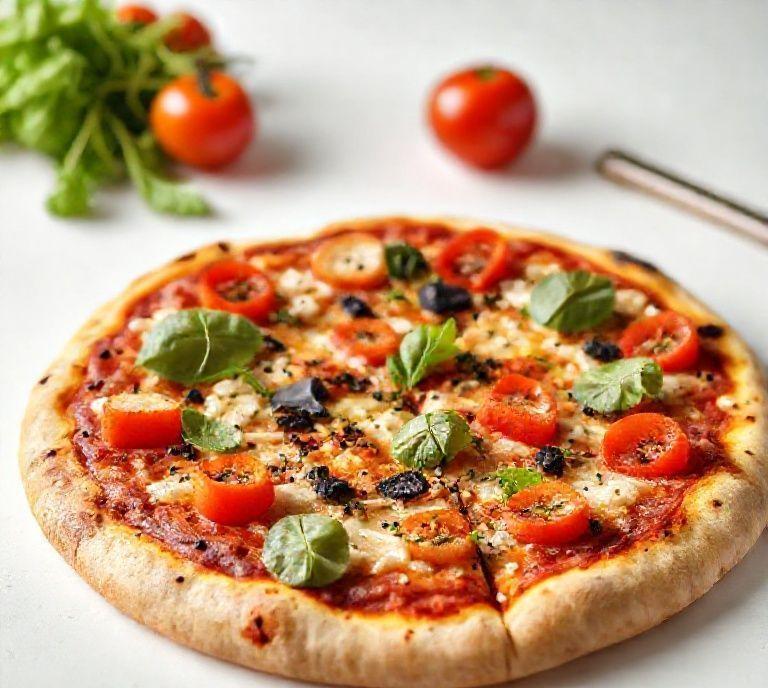
This pizza is a celebration of flavor and health. We’re talking a whole-grain crust, loaded with vibrant vegetables, and topped with a homemade sauce that brings everything together beautifully. It’s a plant-based masterpiece that satisfies both your cravings and your body’s need for nutrients. If you’ve ever wondered if healthy pizza could taste just as good as the regular kind – this recipe is proof that it absolutely can.
Ingredients Needed
To make this healthy vegetarian pizza, you’ll need a blend of wholesome ingredients. Each one serves a purpose, not only in flavor, but also in contributing to the nutritional value of the pizza. Here’s what you’ll need:
For The Crust
- 2 cups whole wheat flour (you can also use gluten-free flour if needed)
- 1 tablespoon olive oil
- 1 teaspoon salt
- 1 packet active dry yeast
- 1 teaspoon honey (or maple syrup for a vegan version)
- 3/4 cup warm water
- 1 teaspoon dried oregano (optional, for flavor)
For The Sauce
- 1 can of crushed tomatoes (400g)
- 2 cloves garlic, minced
- 1 tablespoon olive oil
- 1/2 teaspoon dried basil
- 1/2 teaspoon dried oregano
- Pinch of red pepper flakes (optional, for heat)
- Salt and pepper to taste
Toppings
- 1 cup fresh spinach, roughly chopped
- 1/2 cup red onion, thinly sliced
- 1/2 cup bell peppers (any color), thinly sliced
- 1/2 cup mushrooms, sliced
- 1/4 cup black olives, sliced
- 1 cup shredded mozzarella (or dairy-free cheese for a vegan option)
- 1 tablespoon fresh basil, chopped (for garnish)
- A drizzle of olive oil for finishing
Cooking Instructions
Making this healthy vegetarian pizza isn’t hard at all – it’s more about taking your time and enjoying the process. I find it’s best to do things step-by-step, almost like a little ritual. Here’s how to bring it all together:
-
Start With The Dough
In a small bowl, mix the warm water with the honey (or maple syrup) and the active dry yeast. Let it sit for about 5 minutes until it’s frothy – this means the yeast is activated and ready to go. In a larger bowl, combine the whole wheat flour and salt. Add in the yeast mixture and olive oil, and stir it all together until a dough forms. Knead it on a lightly floured surface for about 5 minutes until it’s smooth and elastic.
-
Let It Rise
Place the dough in a lightly oiled bowl and cover it with a damp cloth. Let it rise for about 1 hour, or until it has doubled in size. This step is essential because it makes the crust airy and chewy.
-
Make The Sauce
While the dough is rising, you can whip up the sauce. Heat the olive oil in a saucepan over medium heat, then sauté the garlic until fragrant, about 1-2 minutes. Add the crushed tomatoes, oregano, basil, and red pepper flakes, and let it simmer for about 15 minutes. Season with salt and pepper to taste.
-
Preheat The Oven
Preheat your oven to 475°F (245°C). This high temperature is key to getting a crispy crust without drying it out.
-
Assemble The Pizza
Once the dough has risen, punch it down and roll it out into a pizza shape. I love rolling mine thin, but you can make it thicker if you prefer a chewier crust. Place the rolled dough on a parchment-lined baking sheet or pizza stone. Spread the homemade tomato sauce evenly over the dough. Then, layer on your toppings: spinach, onions, bell peppers, mushrooms, and olives. Top with the mozzarella cheese and drizzle a little olive oil over the top.
-
Bake
Bake the pizza in the preheated oven for about 10-12 minutes, or until the crust is golden and the cheese is bubbly and melted. I like to check the bottom of the crust around the 8-minute mark to make sure it’s not getting too dark.
-
Garnish And Serve
Once out of the oven, sprinkle fresh basil on top for a burst of color and flavor. Slice it up, and you’re ready to enjoy!
Ingredient Science Spotlight
Now, let’s talk about the science behind why these ingredients work so well together and why they’re actually good for you. It’s not just about flavor – each one brings something beneficial to the table.
- Whole Wheat Flour: A much healthier alternative to white flour, whole wheat flour contains more fiber and nutrients, which helps stabilize blood sugar levels and keeps you feeling full longer. It also provides a richer, nutty flavor that’s perfect for a hearty pizza crust.
- Olive Oil: Packed with heart-healthy monounsaturated fats, olive oil is great for reducing inflammation and supporting brain health. It’s also an excellent fat to use in cooking because it has a relatively high smoke point compared to other oils, making it a safer option for baking.
- Spinach: This leafy green is a powerhouse of vitamins, especially Vitamin K, Vitamin A, and folate. It’s also rich in iron and magnesium, which are essential for muscle function and energy production.
- Tomatoes: Tomatoes are loaded with lycopene, an antioxidant that has been shown to support heart health and may reduce the risk of certain cancers. When tomatoes are cooked, the lycopene becomes more bioavailable, meaning your body can absorb it more easily.
- Mushrooms: They are an excellent source of Vitamin D (especially if you’re using UV-exposed mushrooms), which is crucial for bone health and immune function. They also provide antioxidants and have anti-inflammatory properties.
Expert Tips
- For a Crispy Crust: If you want an extra-crispy bottom, bake your pizza on a preheated pizza stone or use a cast-iron skillet. This gives the crust a beautiful golden texture without it getting soggy.
- Adjust the Veggies: Feel free to get creative with the veggies! You can swap out the bell peppers for zucchini, the spinach for arugula, or add some roasted tomatoes for extra flavor. The key is balance – you want a good mix of crunchy and tender vegetables to keep things interesting.
- Make Ahead: The dough can be made ahead and stored in the fridge for up to 3 days. This actually enhances the flavor, as the yeast has more time to develop.
Recipe Variations
One of the best things about this recipe is how versatile it is. You can easily tailor it to fit your personal tastes or dietary restrictions. Here are a few ideas:
- Vegan Version: Swap the mozzarella cheese for a dairy-free cheese alternative or go cheese-less and load up on extra veggies for a fresh, light take on the pizza.
- Low-Carb Version: Try using a cauliflower crust for a lower-carb alternative that’s still packed with flavor.
- Add Protein: If you’re looking to add more protein, try topping your pizza with grilled tofu, tempeh, or chickpeas for a plant-based protein boost.
Final Words
This healthy vegetarian pizza is everything I want in a meal: it’s nutritious, flavorful, and satisfies that pizza craving without leaving me feeling sluggish. It’s the kind of food that fills you up, but in the best possible way. And what’s even better? You get to enjoy it guilt-free, knowing you’re eating a meal that’s packed with goodness.
Pizza doesn’t have to be junk food. It can be a wholesome, delicious experience that leaves you feeling nourished and satisfied. So next time you’re craving pizza, give this healthy vegetarian version a try. You might just find that it’s your new favorite way to enjoy the classic.
FAQs
What Are Some Key Ingredients For A Healthy Vegetarian Pizza?
A healthy vegetarian pizza should focus on nutrient-dense ingredients. Use whole-grain or cauliflower crust for added fiber, a low-sodium tomato sauce, and a variety of fresh vegetables like bell peppers, spinach, mushrooms, tomatoes, and onions. For protein, consider adding beans, lentils, or part-skim mozzarella. Herbs like basil, oregano, and garlic add flavor without extra calories.
How Can I Make A Vegetarian Pizza Lower In Calories And Fat?
To reduce calories and fat, choose a thin whole-grain or cauliflower crust instead of traditional dough, and use minimal cheese or a lower-fat cheese alternative. Load the pizza with non-starchy vegetables to add volume without extra calories. Limit processed vegetarian toppings and consider using olive oil sparingly or opting for a light drizzle after baking instead of before.
What Are Some Tips For Keeping A Vegetarian Pizza Nutritious While Still Flavorful?
Balance nutrition and taste by combining colorful vegetables for a range of vitamins and minerals. Add herbs and spices like garlic, chili flakes, and fresh basil for natural flavor without added salt. Incorporate plant-based protein sources such as chickpeas, tofu, or tempeh. Baking at a high temperature briefly helps retain nutrients in vegetables while keeping the crust crisp. Avoid overly processed sauces or cheeses to maintain a healthier profile.