There’s something inherently satisfying about a good sandwich. The layers of flavors, textures, and, of course, the convenience that makes it the ultimate comfort food. But when you’re aiming for something healthier-something that doesn’t just taste good but also makes you feel good-it can be tricky to find that perfect balance. Enter the healthy vegetarian sandwich. This isn’t your standard fare of white bread and wilted lettuce. No, we’re talking vibrant colors, nutrient-packed ingredients, and rich flavors that not only fill you up but also fuel your body.
I remember the first time I started experimenting with vegetarian sandwiches. It was a Saturday afternoon, the sun streaming through the kitchen window, and I was feeling a bit adventurous. I didn’t want something complicated, but I also wanted it to be satisfying. I threw together a mix of greens, grains, and spreads, and-lo and behold-it turned out to be an instant favorite. It was light, hearty, and, most importantly, something I felt good about eating. That’s the kind of sandwich I want to share with you today.
Healthy Vegetarian Sandwich Recipe
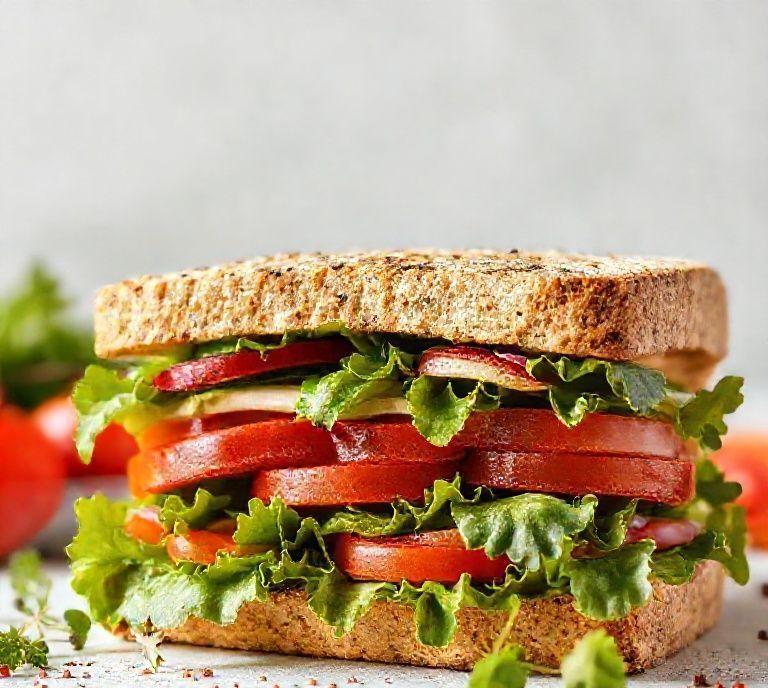
So, what does the perfect healthy vegetarian sandwich look like? It’s got all the elements: crunch, creaminess, freshness, and a touch of savory goodness. The combination of ingredients isn’t just for flavor, though; each piece serves a purpose in contributing to a well-rounded, nutritious meal. And let’s not forget the bread, which, if you choose wisely, can elevate the entire experience.
Ingredients Needed
Here’s what you’ll need for this sandwich. The list may look simple, but the results are anything but basic:
- Whole grain bread (2 slices) – The foundation. Choose a hearty whole grain bread, rich in fiber, to provide that satisfying chew and keep you full longer.
- Avocado (1/2, sliced) – Creamy and nutrient-packed, it provides healthy fats and gives the sandwich that luxurious mouthfeel.
- Fresh spinach (a handful) – Adds a burst of freshness and iron, plus it’s packed with antioxidants.
- Tomato (1, sliced) – Juicy and vibrant, tomatoes give a burst of sweetness and vitamin C.
- Cucumber (1/2, thinly sliced) – A cool, crisp crunch that contrasts beautifully with the other ingredients.
- Red onion (a few rings) – Adds a bit of zing and sharpness that cuts through the richness of the avocado.
- Hummus (2 tablespoons) – This serves as your creamy spread, full of protein and flavor.
- Feta cheese (crumbled, optional) – For a bit of salty, tangy bite. This is totally optional, but if you like a bit of cheese, it’s a great addition.
- Olive oil and balsamic vinegar (drizzle) – A light dressing to tie everything together with just the right amount of tang and richness.
Cooking Instructions
Now, this isn’t exactly a recipe where you need to pull out the pots and pans. It’s more about assembly and making sure each ingredient gets its moment to shine. Here’s how you pull it all together:
- Toast the Bread: Start by toasting your whole grain bread. A nice golden-brown crisp will add texture and warmth to the sandwich.
- Prepare the Ingredients: While the bread is toasting, slice the avocado, cucumber, tomato, and onion. Set them aside, ready to layer. If you’re using feta cheese, crumble it now.
- Spread the Hummus: Once the bread is toasted, spread a generous layer of hummus on both slices. This will not only add flavor but also help hold everything together.
- Layer the Vegetables: On one slice of the bread, layer the spinach first, followed by the tomato slices, cucumber, red onion, and avocado. If you’re adding feta, sprinkle it on top of the avocado.
- Dress It Up: Drizzle a little olive oil and balsamic vinegar over the veggies for a fresh kick of flavor. The balsamic adds a nice depth and a bit of sweetness that complements the earthiness of the hummus and avocado.
- Close and Enjoy: Top with the second slice of bread, press gently, and your healthy vegetarian sandwich is ready to eat!
Ingredient Science Spotlight
Every ingredient in this sandwich plays a role in delivering not only taste but also a variety of nutrients that benefit your body. Let’s take a deeper look at the science behind some of these ingredients:
- Avocado: This fruit (yes, it’s a fruit!) is a powerhouse of healthy fats, primarily monounsaturated fats, which are known to reduce bad cholesterol levels. Avocados are also rich in potassium, which helps manage blood pressure. Plus, they contain fiber, which aids digestion and keeps you feeling fuller longer.
- Spinach: A leafy green powerhouse, spinach is loaded with vitamins A, C, and K, as well as iron, which is essential for oxygen transport in your blood. It also contains antioxidants like lutein, which help protect your eyes from oxidative damage.
- Tomatoes: The bright red hue of tomatoes comes from lycopene, a potent antioxidant that’s linked to reducing the risk of chronic diseases like heart disease and cancer. They’re also high in vitamin C, which boosts the immune system.
- Hummus: Made from chickpeas, hummus is a great source of plant-based protein, fiber, and healthy fats. It also contains iron, which is essential for the production of hemoglobin in your blood.
- Whole Grain Bread: The star of the show when it comes to keeping you full, whole grain bread is a complex carb packed with fiber and B vitamins. Unlike refined grains, it has a slower release of glucose into the bloodstream, helping to maintain stable energy levels.
Expert Tips
- Choosing the Right Bread: Not all whole grain bread is created equal. Look for bread with at least 3 grams of fiber per slice. The more fiber, the longer you’ll feel full. Avoid bread with too many additives or sweeteners in the ingredients list.
- Get Creative with Spreads: If you’re in the mood for something different, swap out the hummus for pesto, guacamole, or even a tahini spread for a unique twist. These spreads add extra flavor and texture.
- Seasoning is Key: Don’t forget to season your veggies with a little salt and pepper before layering them on the bread. It makes a big difference in bringing out the natural flavors of the ingredients.
- Toast the Veggies: If you want to change things up, lightly grill or roast the veggies before adding them to the sandwich. The heat will caramelize the natural sugars, intensifying the flavor.
- Make It a Meal: Pair your sandwich with a side salad or a cup of vegetable soup to make it a more complete meal. A little side of roasted sweet potatoes would also pair wonderfully.
Recipe Variations
As with any recipe, there’s plenty of room for customization. Here are a few ideas for how you can make this sandwich your own:
- Add a Protein Boost: If you want to add more protein, consider adding some grilled tempeh, chickpea patties, or even a hard-boiled egg.
- Change Up the Greens: While spinach is a great choice, you can use arugula, kale, or mixed greens for a different flavor profile.
- Sweeten It Up: A drizzle of honey or a few slices of roasted beets can add a bit of sweetness to balance out the savory ingredients.
- Spicy Kick: Add some sliced jalapeños or a spread of sriracha to give the sandwich a little heat.
Final Words
The beauty of a healthy vegetarian sandwich is that it’s incredibly versatile. You can change up the ingredients based on what’s in season, what you have in your fridge, or even your mood that day. The best part? It’s always a wholesome choice that feels like a treat, but it’s still packed with nutrients to keep you going.
FAQs
What Are Some Nutritious Ingredients To Include In A Healthy Vegetarian Sandwich?
A healthy vegetarian sandwich can include a variety of nutritious ingredients such as whole grain bread, leafy greens like spinach or kale, avocado for healthy fats, cucumber for crunch, tomatoes for vitamins, and hummus or nut butters for protein. You can also add roasted vegetables like zucchini, bell peppers, or mushrooms for extra flavor and nutrients.
Can I Make A Vegetarian Sandwich More Filling Without Using Cheese Or Processed Meats?
Yes, you can make a vegetarian sandwich more filling by including high-protein ingredients like beans, chickpeas, tofu, or tempeh. You can also add whole grains such as quinoa or brown rice, and healthy fats like avocado, nuts, or seeds. These options provide satiety without relying on cheese or processed meats.
How Can I Make A Vegetarian Sandwich Low In Calories But Still Satisfying?
To create a low-calorie yet satisfying vegetarian sandwich, opt for low-calorie bread such as whole wheat or a low-carb variety, and focus on vegetables like lettuce, tomatoes, cucumbers, and bell peppers. Choose light spreads such as mustard, hummus, or a small amount of olive oil. For added satisfaction, include protein-rich ingredients like beans or tofu, and use avocado sparingly for healthy fats.