There’s something truly comforting about a hearty bowl of pasta-its warmth, its flavor, and the satisfaction it brings. But what if you could enjoy that comfort without the guilt that usually follows a heavy, carb-laden meal? Enter the world of high-protein pasta. Now, I know what you’re thinking: pasta and protein? How do they even fit together? Trust me, it’s not only possible, it’s downright delicious. And best of all, it’s an easy way to keep your meals both satisfying and nutritious.
As someone who’s always tinkering in the kitchen (and, admittedly, trying to balance out all those indulgent food habits), I’ve fallen in love with this vegetarian high-protein pasta recipe. It’s one of those dishes I keep coming back to. And the beauty of it is, you can adapt it however you like based on what you’ve got in the pantry or what mood you’re in. There’s always room for experimentation, but the base is solid: protein-packed pasta, some fresh veggies, and a punch of flavor that will have you thinking this is your new go-to meal.
High Protein Pasta Vegetarian Recipe
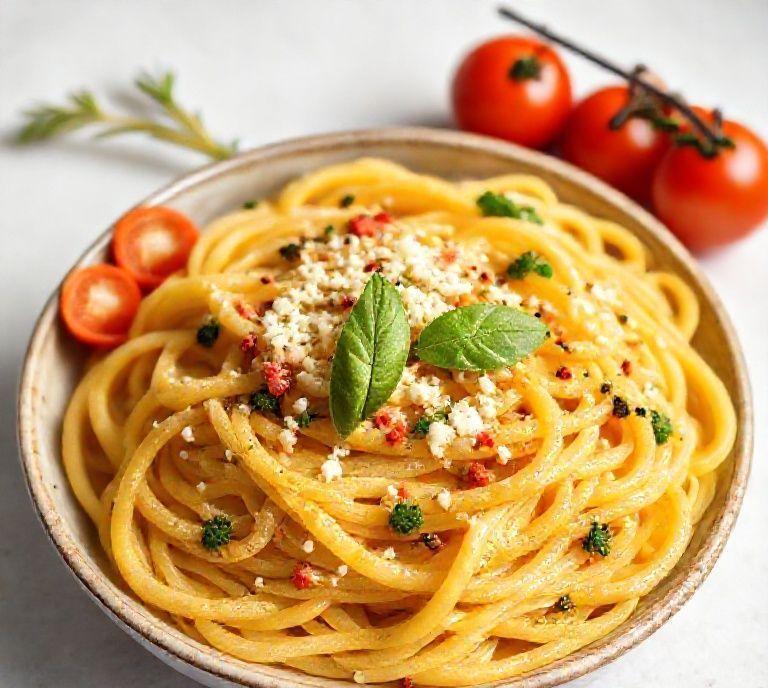
If you’re someone who loves pasta but is looking for a healthier twist, this high-protein vegetarian recipe is perfect. It doesn’t sacrifice flavor, and it’ll keep you full and energized long after your meal. It’s a delightful mix of fresh veggies, protein-rich pasta, and a simple, but delicious sauce.
So, let’s dive into it.
Ingredients Needed
Now, let’s talk ingredients. For me, the best part about this recipe is that it uses ingredients I already have lying around. You don’t need to make a special trip to the store, and you can play with it based on your own preferences.
Here’s what you’ll need:
- High-protein pasta – I use pasta made from chickpeas, lentils, or quinoa for that extra protein boost. You can even find edamame or black bean pasta options that are rich in protein, fiber, and other nutrients.
- Olive oil – A good-quality extra virgin olive oil is key. It adds richness and helps sauté the veggies just right.
- Garlic – One or two cloves, minced. It’s the base for all that savory flavor.
- Onion – I usually go for a small red onion, but white or yellow onions work well, too.
- Fresh vegetables – Think zucchini, cherry tomatoes, spinach, or whatever seasonal veggies are available. A mix adds color, flavor, and texture.
- Lemon – Fresh lemon zest and juice brighten up the entire dish.
- Fresh herbs – Basil and parsley are my go-to’s. You can also use thyme or oregano.
- Parmesan (optional) – I love the nutty kick it gives, but feel free to leave it out for a fully vegetarian, dairy-free option.
- Salt and pepper – To taste. Don’t be shy with the seasoning!
Cooking Instructions
- Cook the Pasta: Bring a large pot of salted water to a boil. Add the high-protein pasta and cook according to the package instructions, usually 7-10 minutes depending on the type of pasta. Once cooked, drain, reserving about 1/2 cup of pasta water. This starchy water will help bring everything together later.
- Sauté the Veggies: While the pasta cooks, heat a tablespoon of olive oil in a large skillet over medium heat. Add the garlic and onion, sautéing for 2-3 minutes until they become fragrant and soft. Then, toss in your fresh veggies. If you’re using zucchini or spinach, cook them for another 5 minutes until tender. For cherry tomatoes, just let them blister and release their juices for about 3-4 minutes.
- Combine Everything: Add your cooked pasta to the skillet with the veggies, and pour in the reserved pasta water. Toss it all together, letting the water help create a light, saucy coating on the pasta. Squeeze in fresh lemon juice, zest some lemon over the top, and sprinkle with fresh herbs. A pinch of salt and pepper here is crucial for bringing out the flavors.
- Finish & Serve: If you’re using Parmesan, now’s the time to sprinkle it over the top. Give everything one last toss and serve. A little extra drizzle of olive oil on top never hurts.
Ingredient Science Spotlight
When I first learned that certain pasta varieties could pack more protein than the standard white pasta, I was genuinely amazed. I mean, pasta is generally seen as a guilty pleasure, right? But high-protein pastas-especially those made from legumes like chickpeas or lentils-are a game-changer. They provide essential amino acids, which are the building blocks for muscle repair and growth. Plus, they’re rich in fiber, which helps with digestion and keeps you feeling fuller longer.
The beauty of these pastas lies in the plant-based protein they provide. Unlike traditional pasta, which is mostly refined carbs, these varieties offer a more balanced macronutrient profile. So, by swapping out regular pasta for a high-protein version, you’re getting more energy-boosting nutrients with fewer empty calories.
The vegetables also play a big role in boosting the nutritional value of this dish. Tomatoes, for instance, are packed with antioxidants like lycopene, which supports heart health. Spinach adds a healthy dose of iron and calcium. And let’s not forget the fresh herbs. Basil is not just for flavor; it has anti-inflammatory properties, while parsley provides a punch of vitamin K.
Expert Tips
- Don’t overcook your pasta: High-protein pasta can sometimes become a little more fragile than traditional pasta. Keep an eye on the cooking time to prevent it from getting mushy. It’s better to slightly undercook it since it’ll continue to cook a bit when you toss it with the hot vegetables and sauce.
- Mix and match veggies: One of the things I love about this dish is how adaptable it is. Feel free to experiment with different vegetables based on the seasons. Sweet bell peppers, roasted eggplant, or even asparagus would work beautifully.
- Add a protein punch: If you’re craving more protein, toss in some crispy chickpeas, tofu, or a sprinkle of hemp seeds. These are all plant-based options that’ll complement the dish’s flavor while boosting its protein content even further.
- Flavor boosters: To make this dish even more decadent, a splash of balsamic vinegar or a pinch of chili flakes can add some tang and heat. A drizzle of truffle oil at the end could be the ultimate luxury move, too.
Recipe Variations
- Creamy Vegan Version: If you want a creamier dish without dairy, swap the Parmesan for nutritional yeast, and add a dollop of cashew cream or almond milk to the pasta just before serving. It adds richness without sacrificing the healthiness of the dish.
- Pasta Primavera Twist: For a heartier meal, add some roasted vegetables like carrots, bell peppers, or broccoli to the mix. Toss the pasta with a handful of toasted pine nuts and a squeeze of balsamic glaze for an extra layer of flavor.
- Pesto Lover’s Dream: If you’re a pesto fan (guilty as charged), stir in a couple of spoonfuls of homemade or store-bought pesto right before serving. It’ll give the dish a fresh, herbaceous kick.
Final Words
If there’s one thing I’ve learned over the years, it’s that you can absolutely have your pasta and eat it too-without feeling sluggish afterward. This high-protein vegetarian pasta recipe is proof that comfort food doesn’t have to come with the usual food coma. It’s light, nutritious, and perfectly satisfying. Every bite feels like a treat, not a compromise.
FAQs
What Are The Best Sources Of Protein For A Vegetarian Pasta Recipe?
For a high-protein vegetarian pasta, consider using ingredients such as lentils, chickpeas, edamame, tofu, tempeh, seitan, and various beans. Additionally, whole-grain or legume-based pasta, like chickpea or lentil pasta, can significantly increase protein content. Incorporating nuts, seeds, and dairy products such as ricotta or Parmesan can further boost protein levels while maintaining flavor.
How Can I Make A High-protein Pasta Dish Without Using Meat?
You can replace meat with plant-based proteins or high-protein vegetarian options. For example, sautéed tofu cubes, tempeh crumbles, or roasted chickpeas can provide texture and protein. Combining these with legume-based pasta and a protein-rich sauce, such as one made with Greek yogurt, cottage cheese, or a nut-based pesto, ensures the dish remains both satisfying and nutritionally balanced.
Are There Tips To Maximize Protein Absorption In A Vegetarian Pasta Meal?
To optimize protein absorption, include a variety of plant-based protein sources to ensure you get all essential amino acids. Pairing legumes with whole grains, such as chickpea pasta or lentil pasta, creates a complete protein profile. Additionally, adding nutrient-rich vegetables and healthy fats, like olive oil or avocado, can improve overall digestion and nutrient absorption.