When you first think about vegetarian meals, you might imagine a plate of leafy greens or a bowl of bland tofu. The common misconception that plant-based food is somehow lacking in flavor or protein can lead to uninspiring dinner choices. But, trust me, there is a whole world of satisfying, protein-packed vegetarian dishes just waiting to be explored.
One of my personal favorite ways to bridge that gap between delicious and nutritious is with a hearty, protein-rich dinner that doesn’t leave me missing the meat. Years ago, when I first started exploring vegetarian meals, I thought protein was the one thing I’d have to sacrifice. But over time, I realized that plant-based sources of protein are not only abundant but also incredibly versatile. Whether you’re vegetarian for health reasons, ethical reasons, or just want to eat more plants, this high-protein vegetarian dinner recipe is bound to become a staple.
So, let’s dive into a recipe that’s full of flavor, packed with protein, and-most importantly-satisfying from the first bite to the last.
High Protein Vegetarian Dinner Recipe
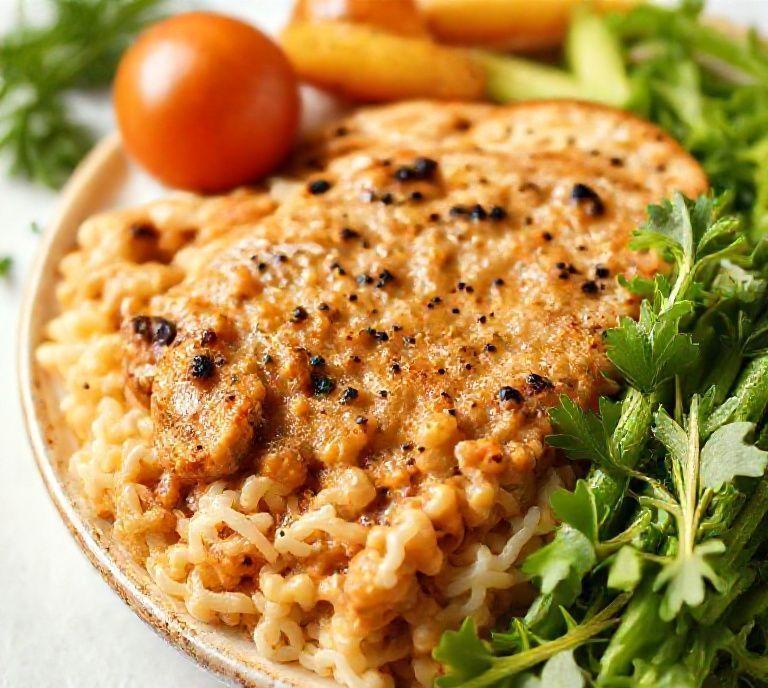
This recipe is inspired by the vibrant, earthy flavors of Mediterranean cuisine, with a twist. The dish centers around a combination of chickpeas, quinoa, and roasted vegetables-three powerhouse ingredients that bring both texture and nutrition to the table. I’ve found that when these ingredients come together, they create a comforting yet exciting meal that you can feel good about eating. The key here is balancing the protein sources with the right textures and seasonings. There’s nothing bland about it.
Ingredients Needed
-
1 Cup Quinoa
Quinoa is one of the best plant-based protein sources you can get. Unlike many grains, quinoa contains all nine essential amino acids, making it a complete protein. It’s also rich in fiber, iron, magnesium, and B vitamins. Plus, it has a lovely, nutty flavor that complements the other ingredients beautifully.
-
1 Can (15 Oz) Chickpeas, Drained And Rinsed
Chickpeas are a vegetarian’s best friend when it comes to protein. They’re not only a great source of protein (about 15 grams per cup) but are also packed with fiber, which keeps you feeling full longer. And let’s not forget about their natural, creamy texture that adds a heartiness to the dish.
-
1 Large Zucchini, Sliced
Zucchini is versatile and adds a light, fresh crunch to the dish. It’s also low in calories but high in antioxidants, particularly vitamin C, which is essential for immune health.
-
1 Red Bell Pepper, Sliced
Bell peppers bring a burst of color and sweetness to the meal. They’re rich in vitamins A and C, both of which are important for skin and immune function.
-
1 Small Red Onion, Thinly Sliced
Red onions add a sharp, sweet flavor to the dish when roasted. They’re also a source of antioxidants like quercetin, which has anti-inflammatory properties.
-
2 Tablespoons Olive Oil
Olive oil is full of healthy fats, particularly monounsaturated fats, which are great for heart health. It also has a mild flavor that enhances the other ingredients without overpowering them.
-
2 Cloves Garlic, Minced
Garlic not only enhances the flavor but also boasts health benefits, including boosting the immune system and lowering blood pressure.
-
1 Teaspoon Dried Oregano
Oregano brings a Mediterranean flair to the dish, with a warm, earthy flavor that ties everything together.
-
Salt And Pepper To Taste
For seasoning, the basics of salt and pepper always help bring out the flavors of the dish.
-
Juice Of 1 Lemon
A squeeze of lemon at the end adds brightness and a fresh pop of acidity to balance the richness of the roasted veggies and quinoa.
Cooking Instructions
-
Preheat the oven to 400°F (200°C).
Line a baking sheet with parchment paper to make clean-up easier.
- Prepare the vegetables: Toss the zucchini, bell pepper, and red onion slices in one tablespoon of olive oil, the minced garlic, and a pinch of salt and pepper. Spread the veggies evenly on the baking sheet. Roast for 20-25 minutes, or until the vegetables are golden and tender, stirring halfway through for even cooking.
- Cook the quinoa: While the veggies are roasting, cook the quinoa according to the package instructions. Generally, you’ll want to rinse it first, then simmer it in a 2:1 ratio of water or vegetable broth. Once it’s done, fluff it with a fork to keep it light and airy.
- Prepare the chickpeas: In a separate pan, heat the remaining tablespoon of olive oil over medium heat. Add the chickpeas and sauté for 5-7 minutes until they begin to crisp up slightly. Season with a pinch of salt and pepper and set aside.
- Combine everything: Once the vegetables are done roasting, combine them in a large bowl with the quinoa and chickpeas. Add the dried oregano and a squeeze of fresh lemon juice. Toss to combine and taste for seasoning. You might want to add more salt or pepper at this stage depending on your taste preferences.
- Serve: Serve the mixture warm, topped with a sprinkle of extra herbs or a dollop of Greek yogurt if desired for added richness.
Ingredient Science Spotlight
Let’s take a closer look at why these ingredients are so important for the recipe. Quinoa is often hailed as a “superfood”, and for good reason. It’s one of the few plant-based foods considered a complete protein, meaning it contains all the essential amino acids your body needs. What’s even more impressive is that quinoa isn’t just about protein-it’s a whole package, providing a solid amount of fiber, which helps in digestion and maintaining healthy blood sugar levels.
Chickpeas, on the other hand, are rich in not only protein but also complex carbohydrates, which means they provide a steady source of energy. The fiber in chickpeas helps regulate blood sugar, prevent spikes, and keep you feeling fuller for longer periods of time. And when you roast them, they get a crispy texture that adds to the dish’s delightful crunch.
The vegetables in this recipe offer a range of vitamins and antioxidants. The colorful bell peppers are particularly rich in vitamin C, an antioxidant that supports collagen production and skin health. Zucchini is a hydrating vegetable full of water and fiber, while onions are excellent sources of flavonoids, which have anti-inflammatory properties.
Expert Tips
- Boost the flavor with fresh herbs: If you have access to fresh herbs like parsley or basil, add them right before serving for an extra layer of flavor. Fresh herbs can brighten up the dish and add a more aromatic quality compared to dried spices.
- Make it spicy: If you like a little heat, try adding a pinch of red pepper flakes when cooking the chickpeas. The subtle heat will contrast nicely with the sweetness of the roasted vegetables.
- Prep in advance: This recipe is great for meal prep. You can cook the quinoa and chickpeas in advance and store them separately in the fridge. When you’re ready to eat, just roast the vegetables and combine everything-it makes for an easy, quick dinner.
- Vegan option: To make this dish entirely plant-based, skip the Greek yogurt topping and perhaps drizzle a bit of tahini or a vegan dressing for added creaminess.
Recipe Variations
- Add roasted sweet potatoes: If you want a bit more sweetness in your dish, toss in some cubed sweet potatoes with the other vegetables for roasting. They add an extra dose of fiber and vitamin A.
- Top with feta or goat cheese: For a non-vegan variation, add some crumbled feta or goat cheese for a tangy bite that complements the roasted veggies.
- Swap chickpeas for lentils: If you’re not a fan of chickpeas or just want to mix things up, cooked lentils are another great source of plant-based protein. They’ll provide a similar texture and protein profile while adding their own earthy flavor.
Final Words
This high-protein vegetarian dinner recipe is the kind of meal that keeps you full, nourished, and energized without weighing you down. It’s the kind of dinner that will not only satisfy your cravings but also fuel you for whatever life throws at you next. Whether you’re a seasoned vegetarian or just looking for a healthy, hearty meal that fits into your busy week, this recipe is flexible, delicious, and packed with nutrients.
FAQs
What Are Some Good Sources Of Protein For A High-protein Vegetarian Dinner?
For a high-protein vegetarian dinner, some excellent sources of protein include legumes such as lentils, chickpeas, and black beans, as well as tofu, tempeh, quinoa, edamame, and Greek yogurt. Additionally, incorporating seeds like chia, hemp, and pumpkin seeds, as well as nuts and nut butter, can further increase protein content. Whole grains like farro, bulgur, and barley are also great additions for boosting protein intake.
Can I Make A High-protein Vegetarian Dinner Without Soy Products?
Yes, it’s definitely possible to create a high-protein vegetarian dinner without using soy products. You can rely on plant-based proteins such as lentils, beans, peas, and quinoa. Other options include chickpeas, seitan (wheat gluten), nuts, seeds, and dairy or dairy alternatives like cottage cheese or Greek yogurt. Whole grains like farro and barley also provide a solid protein boost without the use of soy.
How Can I Add More Protein To My Vegetarian Dinner Without Increasing Calories Too Much?
To add more protein without significantly increasing calories, focus on lean sources of protein that are lower in fat, such as beans, lentils, quinoa, or edamame. Additionally, using low-fat dairy products like cottage cheese or Greek yogurt can increase protein content while keeping the calorie count in check. Incorporating vegetables that are higher in protein, such as broccoli, spinach, or Brussels sprouts, is another great way to boost your meal without adding excessive calories.