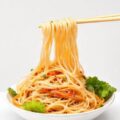
There’s something magical about the right sauce. It has the power to turn a simple meal into an extraordinary experience, enhancing flavors, creating depth, and transforming the ordinary into something unforgettable. One sauce that has this almost alchemical quality is hoisin sauce. Sweet, savory, and slightly tangy, hoisin is a true staple in Chinese cuisine, making its way into stir-fries, dumplings, barbecues, and even as a dipping sauce for crispy spring rolls.
But if you’re anything like me, you may have had those moments when you walk into the kitchen, eager to whip up something delicious, only to realize you’re out of hoisin sauce. Or maybe, just maybe, you’re looking for a vegetarian twist on a classic. Whatever the reason, making a vegetarian hoisin sauce from scratch is a simple, satisfying experience that can elevate a dish to new heights-without the need for any mystery ingredients.
In this guide, we’re going to dive deep into a recipe for Vegetarian Hoisin Sauce. This version will keep all the vibrant flavors intact, while using plant-based ingredients that make it suitable for everyone, whether you’re fully vegetarian or just want to try something new. Ready to bring this powerhouse sauce into your kitchen? Let’s go!
Hoisin Sauce Vegetarian Recipe
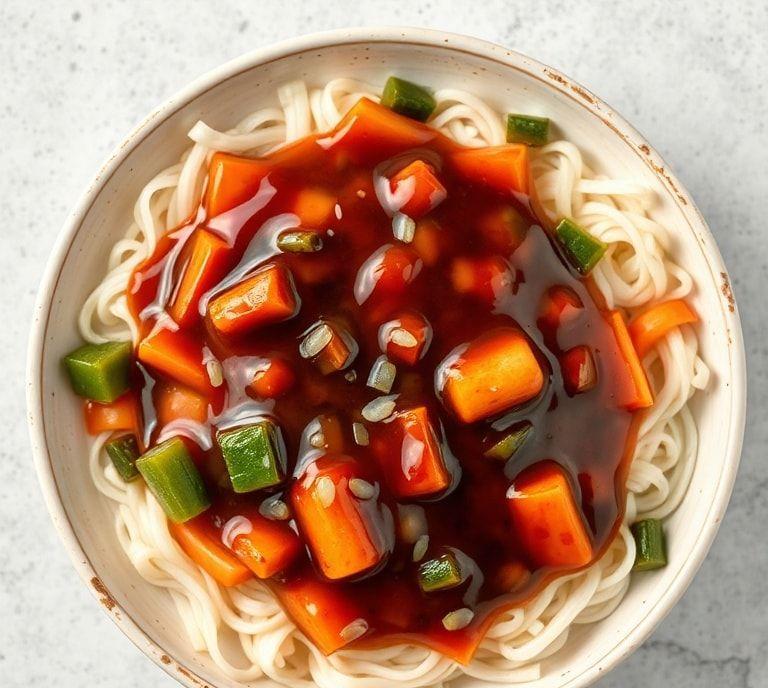
Hoisin sauce is traditionally made with fermented soybeans, garlic, sugar, and vinegar, but many store-bought versions contain fish sauce or other non-vegetarian ingredients. By creating your own vegetarian version at home, you not only ensure the sauce is free of any animal-based products, but you also get the satisfaction of knowing exactly what’s going into your food. Trust me, once you’ve made it yourself, you’ll never look at a jar from the store the same way again.
Here’s how you can whip up this tangy, sweet, and savory sauce in your own kitchen.
Ingredients Needed
The beauty of this recipe is in its simplicity. Here’s what you’ll need to gather:
- Soy Sauce – This forms the salty, umami backbone of your hoisin sauce. Use a good-quality, naturally brewed soy sauce for the best flavor.
- Peanut Butter – While the traditional version uses fermented soybeans, peanut butter gives a creamy, nutty texture that mimics the richness of the original. It also contributes to the depth of flavor in the sauce.
- Rice Vinegar – This adds the tanginess you need to balance the sweetness. If you don’t have rice vinegar, apple cider vinegar can work as a substitute, though it will be slightly more pungent.
- Maple Syrup – The sweet note of hoisin sauce is key to its charm. Maple syrup is my go-to sweetener here because it adds a depth of flavor compared to regular sugar.
- Garlic Powder – For that familiar savory kick. Garlic is essential in any hoisin sauce, and garlic powder gives it a smooth, even flavor.
- Five-Spice Powder – This is where the magic happens. A dash of five-spice powder, with its mix of star anise, cloves, Chinese cinnamon, Sichuan peppercorns, and fennel seeds, gives the sauce its signature complexity. If you can’t find it, a homemade version can easily be made by blending these spices yourself.
- Sesame Oil – A little goes a long way in adding a deep, toasty flavor that rounds out the sauce.
- Chili Paste (optional) – If you like a bit of heat, a teaspoon of chili paste will do the trick. It adds a smoky element that complements the sweetness.
Cooking Instructions
This recipe couldn’t be simpler. With just a few steps, you’ll have your own homemade vegetarian hoisin sauce ready to use in no time.
-
Combine The Ingredients
In a medium-sized bowl, whisk together the soy sauce, peanut butter, rice vinegar, maple syrup, garlic powder, and five-spice powder. The peanut butter will give the sauce its thick texture, and the soy sauce and vinegar will balance out the sweetness of the maple syrup.
-
Add The Sesame Oil
Drizzle in the sesame oil for that signature toasty flavor. You don’t need a lot, just a little splash will give your hoisin that unmistakable depth.
-
Mix Well
Stir the ingredients together until smooth. The peanut butter might take a minute to dissolve, but it will blend in nicely if you keep whisking. The consistency should be a bit thicker than a regular soy sauce but thinner than a paste.
-
Taste And Adjust
This is where you get to make it your own. If you like it a little sweeter, add more maple syrup. If you want it saltier, a splash more soy sauce will do. For extra heat, throw in a bit of chili paste.
-
Store Or Use
Once your sauce is mixed, you can use it right away or store it in an airtight container in the fridge for up to two weeks. It thickens as it sits, so just give it a quick stir before using.
Ingredient Science Spotlight
I find it fascinating how simple ingredients come together to create something so complex and delightful. Let’s break down why these specific ingredients work so well together:
- Soy Sauce is fermented, so it brings that deep umami flavor that is the cornerstone of most Asian sauces. The fermentation process also contributes a bit of tang and saltiness.
- Peanut Butter is a clever stand-in for the traditionally fermented soybeans. Its richness helps thicken the sauce while imparting a smooth, nutty flavor. The fat in the peanut butter also helps carry the other flavors, making the sauce feel fuller on your palate.
- Rice Vinegar provides a mild, slightly sweet acidity that balances out the sauce’s richness. Without it, the sauce would feel too one-dimensional, and the flavors wouldn’t have the same lift.
- Maple Syrup brings a unique sweetness that is less harsh than regular sugar. It also contributes to the caramel-like depth you find in traditional hoisin sauce.
- Five-Spice Powder is what makes the sauce truly stand out. The blend of spices-especially star anise and fennel-gives the sauce that unmistakable “hoisin” flavor, making it so much more than just a salty, sweet combination.
Expert Tips
- Adjust for Your Taste: Hoisin sauce is all about balance. If you find it too sweet, add a little extra soy sauce or vinegar to cut through it. If it’s too salty, a touch more maple syrup can round things out.
- Consistency Matters: If your sauce is too thick, thin it out with a splash of water. If it’s too thin, add a bit more peanut butter to thicken it up. It should have a syrupy consistency but not be runny.
- Boost the Flavor: To take it a step further, add a tiny bit of ginger or fresh garlic to the mix for an even more aromatic experience.
Recipe Variations
This recipe is versatile, and you can easily tweak it to fit different needs:
- Spicy Hoisin: Add more chili paste or a dash of cayenne for a spicier version.
- Gluten-Free: If you’re gluten-intolerant, swap the regular soy sauce for tamari, which is made without wheat.
- Nut-Free: If peanuts aren’t your thing, you can substitute peanut butter with sunflower seed butter or almond butter. Both will give you a slightly different flavor but still keep that creamy, nutty texture.
Final Words
I love the feeling of making a classic sauce from scratch. There’s something so satisfying about creating something so essential from simple, accessible ingredients. Homemade hoisin sauce has a depth that store-bought varieties simply can’t match. Whether you’re using it in stir-fries, as a dipping sauce, or drizzled over roasted vegetables, it’s a wonderful way to add a burst of flavor to almost any dish.
The beauty of this vegetarian hoisin sauce recipe is that it’s incredibly flexible, easy to make, and can be customized to suit your taste. It’s the kind of sauce that will quickly become a pantry staple once you’ve tried it.
FAQs
What Ingredients Are Used To Make A Vegetarian Hoisin Sauce?
A vegetarian hoisin sauce typically contains soybeans or soy sauce, garlic, vinegar, sweeteners such as sugar or maple syrup, chili or other spices, and sometimes sesame oil. It avoids any animal-derived ingredients like fermented seafood, which is found in some traditional hoisin sauces.
How Can I Thicken Homemade Vegetarian Hoisin Sauce?
To thicken vegetarian hoisin sauce, you can simmer it gently to reduce the liquid, or mix in a small amount of cornstarch or arrowroot powder dissolved in water. This allows the sauce to achieve the traditional thick, sticky consistency without altering the flavor.
Can Vegetarian Hoisin Sauce Be Stored And For How Long?
Yes, homemade vegetarian hoisin sauce can be stored in an airtight container in the refrigerator for up to 2-3 weeks. For longer storage, it can be frozen in small portions for up to 3 months. Always stir before use, as natural separation may occur over time.