
When you think of comfort food, what comes to mind? For me, it’s always the dishes that tie me back to memories of cozy mornings, the aromas that fill the kitchen, and the little details that make every bite special. One dish that’s particularly close to my heart is a vegetarian twist on the traditional British kedgeree. Inspired by the comforting rice and fish dish, I’ve crafted an Indian vegetarian version that blends the rich, creamy texture of coconut milk with the bold flavors of Indian spices. It’s a dish that’s not only full of warmth and depth, but it also has a great story behind it-a fusion of cultures, a celebration of ingredients, and a testament to how food can evolve.
What makes this kedgeree different, you ask? Well, aside from leaving out the fish (since we’re going vegetarian here), the traditional kedgeree’s gentle spices are enhanced by the vibrant, earthy flavors of cumin, coriander, and turmeric. And instead of the usual boiled eggs, we’ve got chickpeas to add both texture and protein. All of this is simmered in creamy coconut milk, making each bite velvety and comforting. Trust me, once you’ve tried it, it’ll become your new go-to comfort dish.
Indian Vegetarian Kedgeree With Coconut Milk Recipe
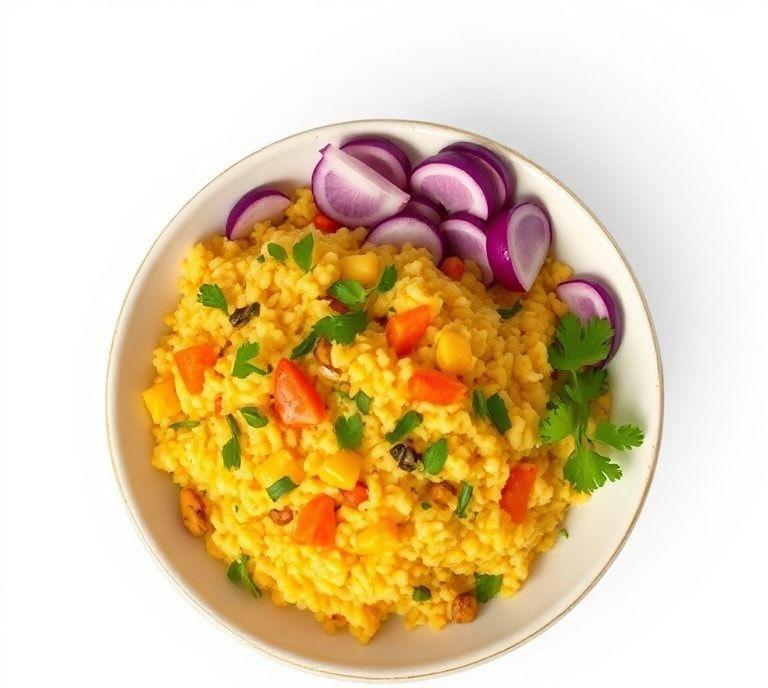
This Indian vegetarian kedgeree is a fantastic blend of Indian flavors and the comforting essence of a traditional kedgeree. It’s satisfying, nutritious, and perfect for a cozy brunch or a wholesome dinner. The coconut milk gives it a richness that sets it apart, while the spices keep things lively. Whether you’re cooking for a group or just for yourself, it’s a dish that feels like a little hug from the inside out.
Ingredients Needed
- 1 cup Basmati rice: The long, fragrant grains of basmati rice provide the perfect backdrop for the flavors to shine through.
- 1 can (400ml) coconut milk: Adds the luscious, creamy texture that makes this kedgeree so comforting.
- 1 tablespoon vegetable oil or ghee: For sautéing the spices. Ghee gives it an extra layer of richness, but oil will work just fine too.
- 1 medium onion, finely chopped: Provides sweetness and depth when cooked down.
- 2 cloves garlic, minced: For that savory kick.
- 1-inch piece of ginger, grated: Fresh ginger adds a little zing and warmth to the dish.
- 1 teaspoon ground turmeric: For color, flavor, and that earthy warmth.
- 1 teaspoon ground cumin: The backbone of many Indian dishes; its slightly smoky flavor complements the rice beautifully.
- 1 teaspoon ground coriander: Lends a citrusy, slightly sweet note to balance the spices.
- 1/2 teaspoon chili powder: Just enough to bring a bit of heat. Adjust to your tolerance.
- 1/2 teaspoon garam masala: A fragrant spice mix that ties everything together.
- 1 cup cooked chickpeas (or one can, drained and rinsed): These add protein and a satisfying bite.
- 1/2 cup frozen peas: Sweetness and color; plus, they cook quickly.
- 1 tablespoon lemon juice: For a touch of brightness.
- Fresh cilantro, chopped (for garnish): Because fresh herbs make everything taste better.
- Salt to taste: To bring the flavors into harmony.
Cooking Instructions
Now that we’ve got all the ingredients ready, let’s dive into the cooking process. It’s fairly simple but oh-so-satisfying.
- Cook the rice: Start by rinsing your basmati rice in cold water until the water runs clear. This helps get rid of excess starch and keeps the grains from sticking together. Cook it according to the package instructions, or you can use a rice cooker. Set aside when done.
- Prepare the spiced base: Heat the oil or ghee in a large skillet or pan over medium heat. Add the chopped onions and sauté for about 5 minutes until they’re golden and soft. The smell of sautéing onions, garlic, and ginger is probably one of my favorite kitchen moments. It’s like the prelude to a symphony. Add the garlic and ginger, and cook for another 1-2 minutes.
- Add the spices: Once the onions, garlic, and ginger have softened, toss in the turmeric, cumin, coriander, chili powder, and garam masala. Stir everything together for about a minute, allowing the spices to bloom and release their oils. This is the moment where the entire dish starts to come together, and you’ll notice the colors deepening as the spices work their magic.
- Add coconut milk and simmer: Pour in the coconut milk and stir until everything is well combined. Let the mixture come to a simmer, allowing it to cook gently for about 5 minutes. This is when the magic happens-the coconut milk infuses the spices and the rice, creating a rich, velvety sauce.
- Mix in the chickpeas and peas: Add the cooked chickpeas and frozen peas. Stir them in, and let everything cook together for another 5-7 minutes, so the peas thaw and the chickpeas warm up.
- Combine with rice: Gently fold in the cooked basmati rice, being careful not to break the grains. Stir until the rice is well-coated with the spiced coconut mixture.
- Finish and garnish: Add a generous squeeze of lemon juice for brightness and adjust the salt to taste. Garnish with freshly chopped cilantro for that final burst of freshness.
Ingredient Science Spotlight
Let’s take a closer look at a few ingredients that really make this dish sing.
- Basmati Rice: It’s not just about the aroma and texture-basmati rice’s unique fragrance comes from a compound called 2-acetyl-1-pyrroline, which is also found in pandan leaves. This compound gives the rice its characteristic nutty smell that complements the spices perfectly.
- Coconut Milk: Coconut milk is high in healthy fats, specifically medium-chain triglycerides (MCTs), which are easily metabolized by the body and provide a quick source of energy. It also gives the dish its rich, creamy texture, which balances the warmth of the spices.
- Chickpeas: A powerhouse of plant-based protein, fiber, and essential minerals like iron and magnesium. Chickpeas are a perfect addition to this dish for added texture and nutrition.
Expert Tips
- Make it ahead: Like many rice-based dishes, kedgeree gets even better the next day as the flavors have time to meld together. If you’re planning ahead, cook the rice and the coconut milk base separately and combine them when you’re ready to serve.
- Spice it up or mellow it down: If you love heat, feel free to add more chili powder or toss in a fresh green chili while sautéing the onions. Conversely, if you prefer a milder dish, reduce the chili powder or skip it altogether.
- Use fresh spices: Ground spices tend to lose their potency over time. If you have whole cumin or coriander seeds, consider toasting and grinding them fresh for a more vibrant flavor.
- Add a crunch: For some extra texture, try topping the kedgeree with a handful of toasted cashews or slivered almonds.
Recipe Variations
- Substitute the chickpeas: If chickpeas aren’t your thing, you could use tofu or paneer for a different protein punch. Both options will absorb the coconut milk sauce beautifully.
- Add vegetables: Don’t hesitate to throw in some sautéed spinach, roasted sweet potatoes, or even diced tomatoes. The more color, the better!
- Herb swap: Cilantro is the obvious choice for garnish, but you could also try fresh mint for a more refreshing twist, or even dill for an unexpected flavor note.
Final Words
This vegetarian Indian kedgeree is the kind of dish that’s perfect for feeding a crowd or indulging in on a quiet night in. It’s the kind of comfort food that brings people together, and with its balance of flavors, textures, and aromas, it’ll have everyone coming back for seconds. Plus, it’s a great way to showcase the depth and versatility of Indian spices, without being too complicated. It’s a dish that’s as easy to make as it is satisfying to eat.
FAQs
What Are The Key Ingredients In An Indian Vegetarian Kedgeree With Coconut Milk?
The key ingredients for an Indian vegetarian kedgeree with coconut milk typically include basmati rice, mixed vegetables (such as peas, carrots, and potatoes), coconut milk, spices like turmeric, cumin, coriander, and mustard seeds, and herbs like cilantro and curry leaves. Optional ingredients may include raisins or cashews for added texture and flavor.
How Can I Make An Indian Vegetarian Kedgeree With Coconut Milk Gluten-free?
Indian vegetarian kedgeree with coconut milk is naturally gluten-free, as it primarily consists of basmati rice, vegetables, and spices, all of which are gluten-free. However, if you’re using additional ingredients like packaged seasonings or pre-made sauces, make sure they do not contain gluten. Additionally, avoid using wheat-based garnishes or sides to keep the entire meal gluten-free.
Can I Substitute Coconut Milk In An Indian Vegetarian Kedgeree Recipe With Another Type Of Milk?
While coconut milk gives the dish a rich, creamy texture and distinct flavor, it can be substituted with other plant-based milks such as almond milk, soy milk, or oat milk. However, keep in mind that these alternatives may alter the flavor profile of the dish. If you are aiming for a similar creaminess, full-fat coconut milk or cashew cream are good substitutes.