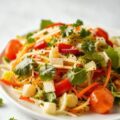
When I think of comfort food, I often gravitate toward dishes that strike a balance between simplicity, flavor, and a touch of nostalgia. Israeli couscous, also known as ptitim, has that perfect blend. As a child, I remember how my family would serve it at gatherings-easy to prepare, but so delicious when paired with roasted vegetables, herbs, and just the right amount of seasoning. Israeli couscous, unlike its smaller, rice-like cousin, is plumper and chewier, making it a fantastic base for a variety of flavors. Today, I’m sharing a recipe for a vegetarian Israeli couscous dish that is as flexible as it is hearty, perfect for a quick weeknight dinner or a showstopper side at a dinner party.
Israeli Couscous Vegetarian Recipe
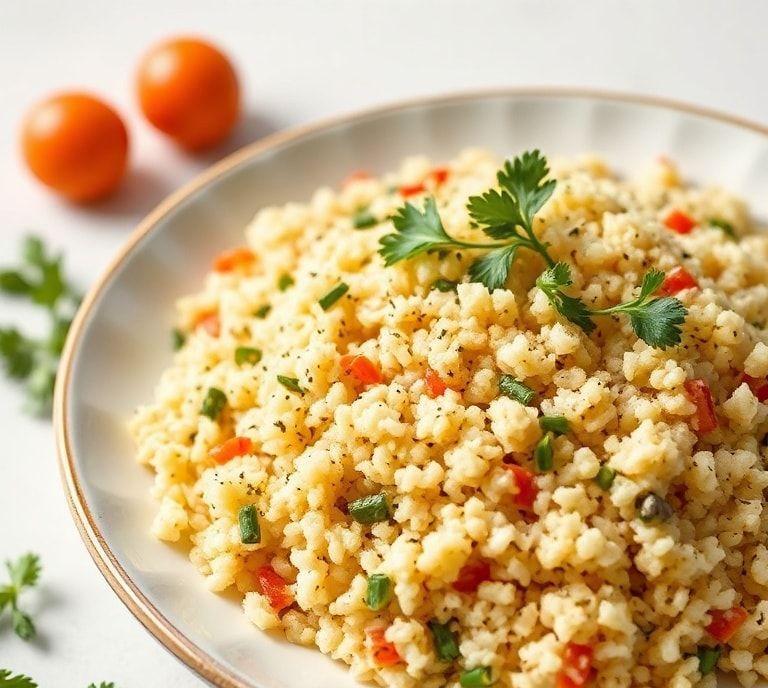
This dish is all about layering flavors with simple ingredients, while letting the natural taste of the couscous shine. We’ll bring together roasted vegetables, a vibrant lemon dressing, and a handful of fresh herbs, creating a perfect medley of textures and tastes. What I love about Israeli couscous is how it absorbs the flavors around it. It’s the kind of dish that’s comforting yet versatile enough to adapt to whatever you have on hand-if you don’t have one of the ingredients, you can often swap it for something else without missing a beat. It’s forgiving like that.
Ingredients Needed
For this dish, you’ll need:
- 1 cup Israeli couscous (I find this is the ideal ratio for 2-3 servings)
- 2 tablespoons olive oil (for sautéing and adding flavor)
- 1 medium red onion, diced (gives the dish a nice sweet and savory depth)
- 1 zucchini, diced (adds some lightness and texture)
- 1 red bell pepper, diced (for a pop of color and sweetness)
- 1/2 cup cherry tomatoes, halved (fresh, juicy bursts of flavor)
- 1 cup spinach, roughly chopped (or any leafy green of your choice)
- 2 garlic cloves, minced (always)
- 1 teaspoon ground cumin (for a warm, earthy base)
- 1 teaspoon smoked paprika (adds a subtle smokiness)
- Salt and pepper, to taste
- Fresh lemon juice (about 1 tablespoon)
- Fresh parsley or cilantro, chopped (for garnish)
- Feta cheese or goat cheese, crumbled (optional, but highly recommended for that creamy contrast)
This list might look like a lot at first glance, but don’t let it intimidate you. The beauty of this dish is in the simplicity of the ingredients, most of which you likely already have in your pantry or fridge.
Cooking Instructions
Let’s dive into making this dish. Here’s how I like to break it down:
- Cook the couscous: Start by heating a medium saucepan over medium heat. Add a drizzle of olive oil, and toast the couscous for about 2-3 minutes until it’s lightly golden brown. It’s a step I never skip, as it brings out the nutty flavor of the couscous. Then, add 1 and 1/2 cups of water (or vegetable broth for more flavor), a pinch of salt, and bring it to a boil. Once it’s boiling, cover and simmer on low heat for 8-10 minutes, or until the couscous is tender and the liquid has been absorbed. Fluff it with a fork, and set it aside to cool slightly.
- Roast the vegetables: While the couscous is cooking, preheat your oven to 400°F (200°C). Spread the diced red onion, zucchini, and bell pepper onto a baking sheet. Drizzle with olive oil, sprinkle with cumin, smoked paprika, salt, and pepper, and toss to coat evenly. Roast for about 20-25 minutes, or until the vegetables are tender and slightly caramelized. The roasting really brings out their sweetness and depth.
- Sauté the garlic and spinach: In a separate pan, heat a little olive oil over medium heat. Add the garlic and sauté until fragrant, about 1 minute. Then toss in the spinach (or whatever greens you’re using) and cook until wilted, which should take another minute or two.
- Bring it all together: In a large mixing bowl, combine the cooked couscous, roasted vegetables, sautéed garlic and spinach, and halved cherry tomatoes. Drizzle the lemon juice over the top and toss everything together. Taste for seasoning-this is the moment to adjust the salt, pepper, or even a bit more cumin or paprika if you want a stronger flavor profile.
- Finish with cheese and herbs: If you’re using cheese, crumble it over the top, and garnish with fresh parsley or cilantro for that fresh, green lift.
Ingredient Science Spotlight
I think one of the most interesting aspects of this recipe is how the ingredients work together on a molecular level. Take the Israeli couscous, for example. The couscous granules are larger and chewier than regular couscous or rice, which gives the dish a fantastic texture. Because it’s pasta-based, it absorbs liquids and flavors wonderfully, meaning the seasoning and dressing really permeate each grain.
The olive oil not only adds richness but acts as a vehicle for the spices-like cumin and smoked paprika-helping to release their full flavor potential. Olive oil also helps to coat the vegetables and keep them tender as they roast, and it’s a crucial component of the lemon dressing that brings brightness to the dish.
Then there’s the roasted vegetables. Roasting enhances the natural sugars in vegetables, like the red onion and bell pepper, making them sweet and caramelized. When you roast them at a high heat, their water content evaporates, concentrating their flavors.
Expert Tips
- Don’t skip the toasting step for couscous: Toasting the couscous before cooking gives it a deeper, nuttier flavor, which really elevates the dish. It’s a simple step, but it makes a world of difference.
- Use vegetable broth instead of water: If you want to add extra depth of flavor, cook your couscous in vegetable broth instead of plain water. This small change makes a huge difference in terms of richness.
- Keep your veggies varied: If you have other vegetables on hand-carrots, sweet potatoes, eggplant-use them! This recipe is extremely versatile, and adding different textures and flavors can make it feel new every time you make it.
- Chill for leftovers: This dish is fantastic as a cold salad the next day. The flavors marinate overnight, making it even tastier when you have leftovers.
Recipe Variations
What’s wonderful about this dish is how adaptable it is. Here are a few ways you can switch it up:
- Add some protein: If you’re looking to add a protein component, roasted chickpeas, grilled chicken, or even a poached egg would be perfect additions.
- Try different greens: Instead of spinach, you could use kale, arugula, or Swiss chard. If you want a bit of crunch, try using watercress.
- Switch up the cheese: While feta or goat cheese adds a creamy tang, you could also try ricotta salata for a firmer, more crumbly texture, or a sharp cheddar for a completely different flavor profile.
- Make it spicy: For a little kick, sprinkle some red pepper flakes over the top or mix a chopped jalapeño into the roasted vegetables.
Final Words
This recipe is about balance-texture, flavor, and freshness. I love how it can be a one-bowl meal that satisfies your taste buds without being overly heavy. It’s the kind of dish that feels like home, but also a bit of an adventure every time you make it because there’s always room to experiment with new flavors or ingredients. It’s a celebration of simple, wholesome ingredients that come together to create something greater than the sum of its parts.
FAQs
Is Israeli Couscous Naturally Vegetarian?
Yes, Israeli couscous, also known as pearl couscous, is naturally made from semolina or wheat flour and water, making it inherently vegetarian. However, when preparing recipes, you should check added ingredients or broths to ensure they are free from animal products.
What Are Common Vegetarian Ingredients To Include In An Israeli Couscous Recipe?
Common vegetarian ingredients include a variety of vegetables such as bell peppers, zucchini, tomatoes, and spinach. Herbs like parsley, basil, and mint add flavor, while nuts, seeds, and cheeses such as feta can provide texture and protein. Olive oil and lemon juice are frequently used for seasoning.
Can Israeli Couscous Vegetarian Recipes Be Made Vegan?
Yes, Israeli couscous vegetarian recipes can easily be adapted to be vegan by omitting dairy products like cheese or replacing them with plant-based alternatives. Ensuring that vegetable broth is used instead of chicken or beef broth will also keep the dish fully vegan while maintaining its rich flavor.