Spaghetti has always been a staple in my kitchen-so simple, yet endlessly versatile. Growing up, I remember the fragrant aroma of tomatoes simmering in olive oil, filling the air every time my mom made her signature pasta dishes. There was something about that combination of garlic, tomatoes, and fresh herbs that made every bite feel comforting, like a warm hug in a bowl. But not every meal has to be heavy on meat to feel satisfying. One of my favorite variations is a vegetarian spaghetti that doesn’t skimp on flavor but is light, fresh, and nourishing. It’s one of those meals that you can make in under 30 minutes, yet it feels like it’s been simmering for hours. If you’ve been looking for a dish that’s both simple and satisfying, let’s dive in and talk about making the perfect vegetarian spaghetti!
Italian Spaghetti Vegetarian Recipe
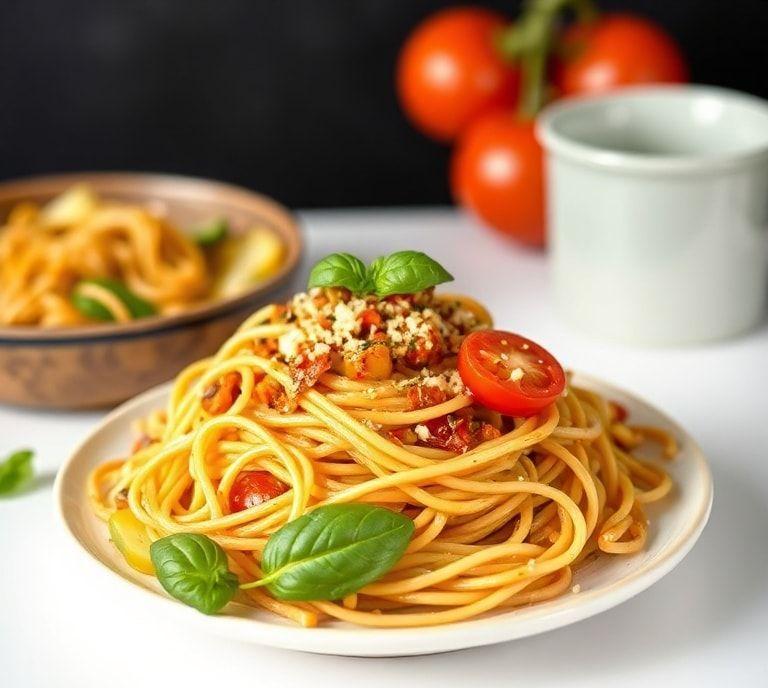
This isn’t just any spaghetti-it’s a celebration of the beautiful, bold flavors that come from the best in-season vegetables and classic Italian ingredients. By using a fresh tomato sauce, garlic, and a generous drizzle of olive oil, the dish keeps things simple, yet the complexity of flavors will have you craving another bowl. It’s the perfect recipe to make for a weeknight dinner or a cozy weekend meal with friends.
Now, if you’re expecting a heap of processed or heavy ingredients, this is going to surprise you. It’s full of vibrant vegetables, fresh herbs, and high-quality olive oil that come together in a way that feels both indulgent and light. Even non-vegetarians will be reaching for seconds.
Ingredients Needed
Spaghetti (preferably Whole Wheat Or Gluten-free, If Preferred)
Spaghetti is the classic pasta here, but you can easily swap it for whatever you like best. Whole wheat adds a hearty bite, and gluten-free options work wonderfully for those with dietary preferences. The pasta is the backbone of the dish, so pick something that you really enjoy!
Extra Virgin Olive Oil
The richness of good olive oil is non-negotiable in this dish. Use a high-quality extra virgin olive oil, preferably cold-pressed, to get that fruity, peppery finish. This oil is going to play a starring role in both cooking and finishing the dish.
Garlic (4 Cloves, Minced)
You can’t have Italian food without garlic, right? Its sweetness when sautéed is essential in creating the base flavor for the sauce.
Fresh Tomatoes (3-4 Large, Diced)
Fresh tomatoes bring out the sweetness and acidity that is at the heart of any Italian pasta sauce. You can also use canned San Marzano tomatoes if fresh ones aren’t in season, but trust me, fresh is always best.
Onion (1 Medium, Finely Chopped)
Onions give depth and flavor to the sauce. Cooking them slowly in olive oil allows their natural sugars to caramelize and adds a sweetness that’s essential for balance.
Fresh Basil (a Handful Of Leaves, Chopped)
Basil is iconic in Italian cuisine. Its bright, aromatic flavor balances the sweetness of the tomatoes, and I love adding it both to the sauce and as a garnish.
Salt And Pepper (to Taste)
Seasoning is everything. A pinch of sea salt and a few cracks of black pepper will elevate the dish.
Red Pepper Flakes (optional)
A little heat can go a long way in this dish, especially if you like a touch of spice. I often sprinkle a pinch of red pepper flakes into the sauce for a kick.
Parmesan Cheese (freshly Grated, For Garnish)
If you’re vegetarian but not vegan, a generous sprinkle of freshly grated parmesan will take this dish over the top. You can skip it if you’re vegan, or use a plant-based cheese alternative.
Cooking Instructions
Prepare The Spaghetti
Start by boiling a large pot of salted water. Once it’s at a rolling boil, drop in your spaghetti and cook according to the package instructions. Be sure to cook the pasta al dente-you want that perfect, slightly firm bite that can hold up to the sauce. Once cooked, drain and set aside, reserving a cup of pasta water for later.
Sauté The Aromatics
While the pasta is cooking, heat a large skillet over medium heat and add a generous amount of olive oil (about 3 tablespoons). Toss in the chopped onion and cook for 3-4 minutes until translucent. Then, add the garlic and red pepper flakes (if using) and cook for another 1-2 minutes, being careful not to burn the garlic. The oil should begin to shimmer, filling the kitchen with that unmistakable Italian scent.
Make The Sauce
Add the diced tomatoes into the pan, and let them cook for 5-7 minutes, stirring occasionally. As the tomatoes break down, they’ll release their juices, creating a lovely, slightly chunky sauce. Season with salt and pepper to taste. At this point, if you like your sauce a little smoother, you can mash the tomatoes with the back of a spoon or use an immersion blender to get a more consistent texture.
Combine The Pasta And Sauce
Once the sauce is cooked down and the tomatoes have released their juices, add the cooked spaghetti to the pan. Toss everything together, adding a bit of the reserved pasta water if the sauce feels too thick. You want the sauce to cling to the noodles, but it should never be dry. Continue to toss for another minute, allowing the pasta to absorb the flavors of the sauce.
Finish With Fresh Basil
Take the pan off the heat and toss in the freshly chopped basil. Stir it in gently-this will give the dish that fresh burst of flavor that is unmistakably Italian.
Serve And Garnish
Plate your spaghetti, and if you’re using parmesan cheese, sprinkle it generously on top. A drizzle of extra virgin olive oil on top won’t hurt either.
Ingredient Science Spotlight
Let’s talk about olive oil for a second. It’s not just for flavor-olive oil is packed with healthy monounsaturated fats, antioxidants, and anti-inflammatory compounds. It’s one of those ’good fats’ that can help lower cholesterol and reduce the risk of heart disease. In fact, studies have shown that olive oil, when consumed in moderation as part of a Mediterranean diet, can improve longevity and support brain health.
Tomatoes, meanwhile, are rich in lycopene-a potent antioxidant that has been linked to lower risks of certain cancers and heart disease. Cooking tomatoes increases the bioavailability of lycopene, which means your body can absorb more of it, making your pasta not just delicious, but health-boosting.
Expert Tips
- Don’t Overcook the Pasta: One of the most common mistakes is overcooking pasta. It should always be al dente-not too soft. This gives the dish structure and allows the pasta to absorb the sauce better.
- Use Quality Olive Oil: The olive oil you use can completely change the flavor profile of the dish. Aim for a high-quality, cold-pressed extra virgin olive oil. A cheaper olive oil won’t give you the same richness and depth.
- Season the Pasta Water: The water you cook your pasta in should be salty like the sea. This adds flavor directly to the pasta, which is key to balancing the overall dish.
- Add a Splash of White Wine: If you want to take the sauce up a notch, add a splash of dry white wine after sautéing the onions and garlic. It adds a nice depth and acidity that complements the sweetness of the tomatoes.
- Make It Ahead: The beauty of a simple pasta like this is that the sauce improves if made a day ahead. The flavors deepen and meld together, making leftovers the best part.
Recipe Variations
- Vegan Version: Skip the parmesan and opt for a vegan cheese alternative, or just finish the dish with a sprinkle of nutritional yeast for a cheesy flavor.
- Add Vegetables: You can easily add more veggies to this dish-zucchini, bell peppers, or eggplant work beautifully. Simply chop them up and add them in with the onions to sauté, giving them time to soften and caramelize.
- Spaghetti Squash Substitute: If you’re trying to cut carbs or want something lighter, swap out the traditional spaghetti for roasted spaghetti squash. It’s a great gluten-free and low-carb alternative.
Final Words
There’s something special about a plate of pasta, don’t you think? It’s comfort food, but it’s also a reminder of simplicity. The flavors in this vegetarian spaghetti recipe come together effortlessly, but they carry so much depth. It’s an honest, satisfying dish that’s perfect for anyone, whether you’re a lifelong vegetarian or just looking for a light, yet filling meal. And because it’s so customizable, it can be adapted to whatever you have on hand or whatever you’re craving that day.
FAQs
What Are The Essential Ingredients For An Italian Spaghetti Vegetarian Recipe?
An Italian spaghetti vegetarian recipe typically includes spaghetti, olive oil, garlic, tomatoes (either fresh or canned), basil, and Parmesan cheese. Additional vegetables such as zucchini, bell peppers, or mushrooms can be added to enhance the flavor and texture. A variety of herbs like oregano and thyme may also be used for seasoning.
Can I Make An Italian Spaghetti Vegetarian Recipe Vegan?
Yes, you can make the Italian spaghetti vegetarian recipe vegan by omitting the Parmesan cheese or replacing it with a dairy-free alternative such as vegan Parmesan or nutritional yeast. You should also ensure that the pasta used is egg-free, as some traditional pasta may contain eggs.
How Can I Make An Italian Spaghetti Vegetarian Recipe Spicier?
To make the Italian spaghetti vegetarian recipe spicier, you can add red pepper flakes or fresh chili peppers when sautéing the garlic and vegetables. Additionally, you can use spicy marinara sauce or incorporate hot paprika or cayenne pepper to adjust the level of heat according to your preference.