Japanese cuisine holds a special place in my heart, not just because of its rich flavors but because of the philosophy that permeates every dish. The emphasis on simplicity, seasonality, and balance resonates deeply. One of my favorite things about Japanese food is how it can be so light yet incredibly satisfying. Today, I’m sharing a vegetarian recipe that captures the essence of Japanese flavors without the need for meat. It’s a dish that speaks to both the soul and the palate-Nasu Dengaku, a miso-glazed eggplant that showcases the beauty of seasonal vegetables and the art of balance.
If you’ve ever had the chance to visit Japan, you might know that the country’s food culture is built around harmony-flavors, textures, colors, and even sounds. This dish is a perfect example of that. The slight bitterness of eggplant, combined with the umami-rich miso glaze, creates a contrast that’s both exciting and comforting.
Cooking this dish at home isn’t just about recreating a Japanese classic-it’s about connecting with a tradition that’s been passed down for centuries, while also giving it a modern, personal twist. Let’s dive into how you can bring a taste of Japan into your own kitchen.
Japanese Vegetarian Recipe: Nasu Dengaku (Miso-Glazed Eggplant)
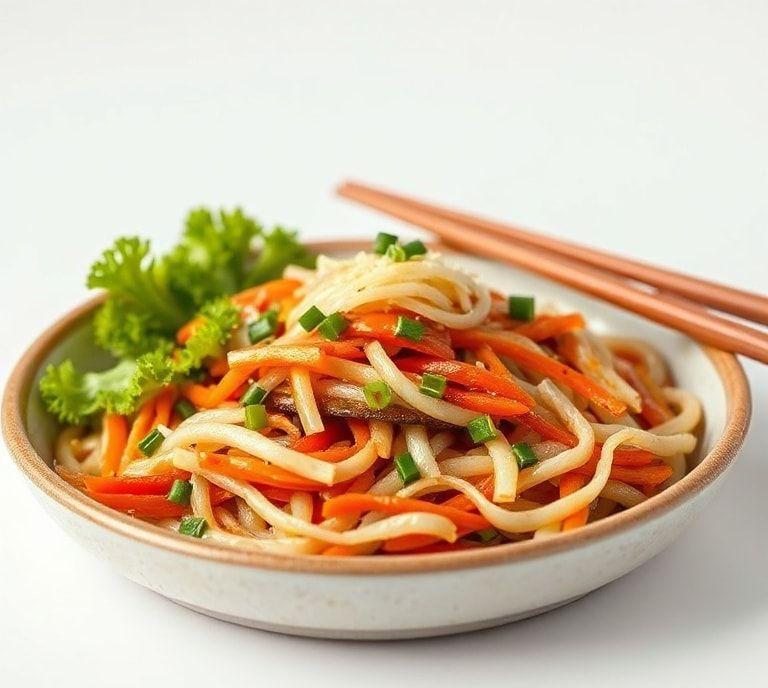
Nasu Dengaku is one of those dishes that feels both humble and luxurious at the same time. It’s made by grilling or broiling slices of eggplant, then slathering them in a rich, sweet-savory miso glaze. The combination of the eggplant’s silky texture and the bold, umami-packed miso sauce is irresistible.
This dish is often served as an appetizer, but it’s hearty enough to stand as a main dish, especially if you pair it with some steamed rice and maybe a simple miso soup on the side. Whether you’re vegetarian or just looking to try something new, this dish is a great introduction to the flavors of Japanese cuisine.
Ingredients Needed
For this dish, you don’t need to hunt down any obscure ingredients. The essentials are simple, and if you’ve already dabbled in Asian cooking, you might even have most of these in your pantry.
- 2 large eggplants – The star of the dish! Look for Japanese eggplants if you can find them; they’re thinner and a bit sweeter. If not, regular globe eggplants will work fine.
- 3 tablespoons white miso paste – The key to the rich, savory flavor. White miso has a delicate, slightly sweet taste compared to red miso.
- 2 tablespoons mirin – This sweet rice wine adds a touch of sweetness and depth to the glaze.
- 1 tablespoon soy sauce – A little saltiness to balance the sweetness.
- 1 tablespoon rice vinegar – A dash of acidity to keep things from feeling too heavy.
- 1 tablespoon sesame oil – This brings a warm, nutty richness to the dish.
- 1 teaspoon sugar – A little sugar helps round out the miso’s saltiness and boosts the umami.
- Sesame seeds – These are optional but make a great garnish, adding texture and a nutty flavor.
- Chopped green onions – A burst of freshness and color to finish the dish.
That’s it! The ingredients are simple and approachable, yet the result is anything but.
Cooking Instructions
- Prep the eggplants – Start by washing and slicing the eggplants into 1-inch thick rounds. You can leave the skin on; it helps the eggplant hold its shape while cooking and adds a touch of bitterness that balances the sweetness of the glaze. If you’re using regular eggplants, sprinkle a bit of salt on the cut sides to draw out excess moisture. Let them sit for about 10 minutes, then gently blot with a paper towel to remove any water.
- Make the miso glaze – In a small saucepan, combine the miso paste, mirin, soy sauce, rice vinegar, sesame oil, and sugar. Stir over low heat until the sugar dissolves and everything is smooth and well-incorporated. You should have a glossy, slightly thick sauce. If it feels too thick, add a splash of water to thin it out.
- Cook the eggplants – Heat a grill pan or broiler over medium-high heat. Brush the eggplant slices with a little sesame oil and cook them for 3-4 minutes on each side, until they’re golden brown and tender. If you’re using a broiler, place the eggplant under the broiler for 4-5 minutes per side, keeping a close eye on them to prevent burning.
- Glaze the eggplants – Once the eggplants are cooked, transfer them to a plate and spoon the miso glaze generously over the top. You can also brush the glaze onto the eggplants while they’re still on the grill or in the pan for a more caramelized finish.
- Garnish and serve – Sprinkle the sesame seeds and chopped green onions on top for a burst of color and texture. Serve immediately, ideally with a bowl of steamed rice.
Ingredient Science Spotlight: Eggplant
Eggplant is often underappreciated in many cuisines, but it’s a vegetable with incredible versatility. Scientifically, eggplant belongs to the nightshade family, which includes tomatoes, potatoes, and peppers. Its flesh is spongy, which allows it to absorb flavors really well. This is why it pairs so wonderfully with the miso glaze in this dish-it acts like a flavor sponge, soaking up the umami-rich sauce.
Eggplant also has a unique compound called nasunin, an antioxidant found in its skin. This compound has been shown to have various health benefits, including protecting the brain cells from damage caused by free radicals. So not only does eggplant taste great, but it also offers some health perks.
Expert Tips
- Don’t skip salting the eggplant – This might seem like an extra step, but it helps remove excess moisture, which can make the eggplant soggy instead of crispy.
- Adjust the glaze to taste – Depending on your preference, you can make the glaze sweeter, saltier, or more tangy by adjusting the soy sauce, mirin, or vinegar. I recommend starting with the recipe as written and tweaking it if needed.
- Grill vs. broil – If you have access to a grill, that’s ideal because the smoky flavor from grilling adds another layer of complexity to the dish. However, a broiler works well too, and it’s a great option if you’re cooking indoors.
- Leftovers – This dish is perfect for meal prep! You can store the cooked eggplants in the fridge for up to 2-3 days and reheat them with a little extra glaze for lunch or dinner.
Recipe Variations
- Add tofu – For a heartier meal, add grilled or pan-fried tofu to the mix. It absorbs the miso glaze just as well as the eggplant, and it makes the dish more filling.
- Substitute the eggplant – While eggplant is the star here, you can try this glaze on other vegetables like zucchini, mushrooms, or sweet potatoes. The glaze works beautifully with most roasted or grilled vegetables.
- Make it spicy – If you like a little heat, stir some chili paste or fresh chili into the miso glaze. This will give the dish a spicy kick that complements the sweetness of the miso.
Final Words
Making Nasu Dengaku at home is a perfect way to bring a bit of Japan into your kitchen without needing fancy equipment or hard-to-find ingredients. The beauty of this dish is in its simplicity-every element serves a purpose, and the flavors are balanced perfectly. It’s a reminder that great food doesn’t have to be complicated.
I love this dish because it’s an introduction to Japanese cooking that feels both approachable and special. It’s a perfect example of how one simple ingredient (in this case, eggplant) can transform into something far greater with just a little attention to detail.
FAQs
What Are Some Common Ingredients In Japanese Vegetarian Recipes?
Japanese vegetarian recipes often include a variety of ingredients such as tofu, miso, seaweed (nori and wakame), rice, soy sauce, sesame seeds, and seasonal vegetables like mushrooms, daikon, and eggplant. Other ingredients include pickled vegetables, bamboo shoots, and udon or soba noodles. Vegetarian sushi, tempura, and soups like miso soup are common dishes.
Are There Traditional Japanese Vegetarian Dishes?
Yes, there are several traditional Japanese vegetarian dishes. Some of the most popular ones include vegetable tempura (battered and fried vegetables), goma-ae (blanched vegetables with sesame dressing), kimpira (stir-fried vegetables with soy sauce and mirin), and nimono (simmered vegetables). Buddhist cuisine (shojin ryori) is entirely vegetarian, with dishes like yudofu (tofu hot pot) and various vegetable-based side dishes.
Can Japanese Vegetarian Recipes Be Made Vegan?
Yes, many Japanese vegetarian recipes can be easily adapted to be vegan by substituting animal-based ingredients. For example, you can replace dashi (a stock made from fish) with kombu (seaweed) or shiitake mushroom broth. Tofu is often used as a protein source, and miso paste, which is generally plant-based, can be used in many dishes. Be mindful of ingredients like fish-based sauces or eggs, which can be substituted with plant-based alternatives.