
If there’s one thing I always find myself coming back to, it’s a steaming bowl of kimchi stew, or kimchi jjigae. It’s not just food; it’s a comforting ritual that ties you to the warmth of family dinners and the essence of Korean home cooking. Even if you’re not familiar with Korean cuisine, the idea of taking something as simple as kimchi-fermented, spicy, tangy-and turning it into a hearty stew has an undeniable appeal.
But here’s a twist: I’m not talking about the usual meat-filled version. I’ve come up with a vegetarian recipe that captures all the deep, umami-rich flavors of traditional kimchi stew without the meat, making it a great option for those who want to embrace the vibrant taste of Korean comfort food but also want to keep it plant-based.
In fact, I first stumbled upon this vegetarian version when I was trying to make kimchi stew for a friend who didn’t eat meat. I thought, “How could I make this work”? Well, after a bit of experimenting with different plant-based ingredients and tweaking the broth, I discovered that this vegetarian kimchi stew can stand shoulder-to-shoulder with the traditional kind. The rich, spicy broth is still there, the tangy kick of the kimchi shines, and you get all the savory depth you’re looking for in a good stew.
So, let’s dive into this cozy dish that’s perfect for any time you want something satisfying, nourishing, and just a little bit spicy.
Kimchi Stew Vegetarian Recipe
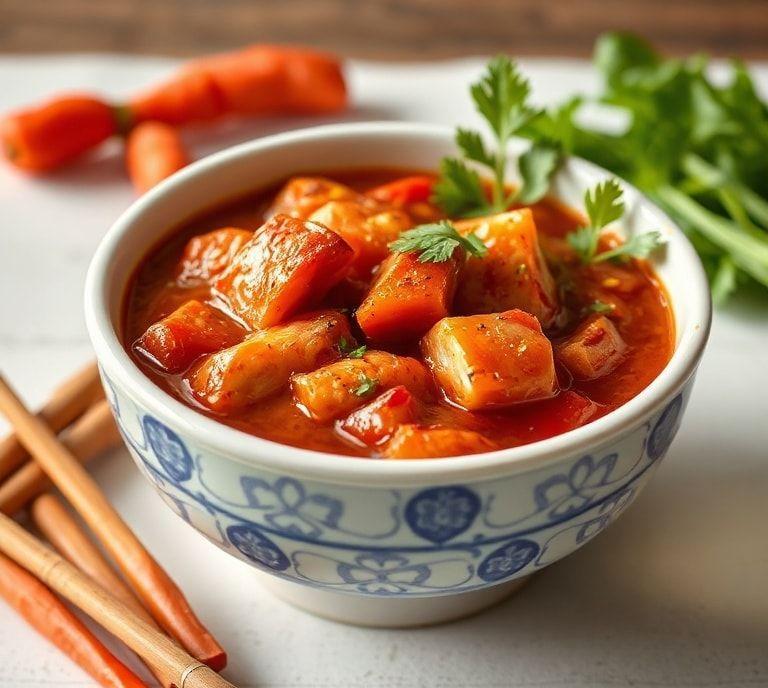
This vegetarian kimchi stew is surprisingly rich and comforting, with enough flavor to satisfy even the most die-hard fans of the meaty version. It’s perfect for a quick dinner or a slow-simmered weekend meal. Plus, it’s packed with the umami of fermented kimchi and the warmth of a broth that feels like a hug in a bowl.
Ingredients Needed
Here’s what you’ll need to recreate this simple yet flavorful dish:
Kimchi (2 Cups, Roughly Chopped)
- The heart of the dish. You want a well-fermented kimchi, not the fresh kind. If it’s a bit sour, even better! The fermentation adds that deep, funky, tangy flavor that makes kimchi jjigae stand out.
Tofu (1 Block, Firm Or Extra-firm)
- Tofu replaces the usual meat, but it’s not just a filler. It absorbs all the wonderful flavors of the stew, adding creaminess and texture. You can press it for a firmer consistency if you like, or leave it as is for a softer bite.
Vegetable Broth (4 Cups)
- A good, hearty vegetable broth forms the base. Homemade is great if you have the time, but store-bought will do just fine.
Garlic (4 Cloves, Minced)
- Garlic adds that essential punch to the stew, infusing the broth with warmth and depth.
Onion (1 Medium, Sliced)
- Onions bring a sweet, aromatic note to balance out the sharpness of the kimchi.
Gochujang (Korean Chili Paste) (1 Tablespoon)
- This adds richness and a bit of sweetness to the broth. It’s spicy but in a warm, smooth way.
Gochugaru (Korean Chili Flakes) (1-2 Teaspoons)
- If you like your stew spicy, this will give it that perfect kick. You can adjust the amount to suit your preference.
Soy Sauce (2 Tablespoons)
- A touch of soy sauce rounds out the umami flavors and balances the heat from the gochujang and kimchi.
Sesame Oil (1 Tablespoon)
- A drizzle of sesame oil near the end of cooking adds that nutty, fragrant flavor that makes the stew irresistible.
Scallions (2 Stalks, Chopped)
- Garnish with fresh scallions for a bit of crunch and a burst of green freshness.
Optional: Mushrooms (1 Cup, Sliced)
- If you want a heartier stew, throw in some mushrooms like shiitake or oyster mushrooms. They absorb the flavors beautifully and add an earthy richness to the dish.
Cooking Instructions
-
Prepare The Ingredients
- Start by chopping up the kimchi into bite-sized pieces. If you’re using mushrooms, slice those up too. Mince the garlic and slice the onion, then cube the tofu into bite-sized chunks.
-
Sauté The Aromatics
- In a large pot, heat a bit of oil over medium heat. Add the garlic and onion, and sauté until the onions are translucent and the garlic is fragrant. This is the foundation for the stew’s flavor.
-
Add The Kimchi And Tofu
- Toss in the chopped kimchi and tofu. Stir everything together, letting the kimchi get a little caramelized. This helps bring out its deep, fermented flavor.
-
Add The Broth And Seasonings
- Pour in the vegetable broth, and add the gochujang, gochugaru, soy sauce, and sesame oil. Stir until the gochujang dissolves into the liquid, and bring the stew to a simmer.
-
Simmer
- Let the stew simmer for about 20-25 minutes. The flavors will meld together, and the broth will thicken slightly. If you added mushrooms, they should be tender by this point.
-
Taste And Adjust
- Taste the broth and adjust the seasoning if needed. You can add a bit more soy sauce if you want extra depth or more gochugaru for heat.
-
Serve And Garnish
- Once the stew is done, ladle it into bowls. Garnish with fresh scallions for a burst of color and freshness. Serve it hot, ideally with a side of steamed rice to soak up the broth.
Ingredient Science Spotlight
Let’s take a moment to talk about one of the key ingredients here: kimchi. It’s more than just a side dish; it’s a powerhouse of flavor and health benefits. Kimchi is a fermented food, which means it’s rich in probiotics-those good bacteria that are great for your gut. When you eat kimchi, you’re not just savoring its spicy, tangy flavor, you’re also getting a dose of healthy bacteria that help with digestion and boosting your immune system.
Another standout ingredient is tofu, which often gets a bad rap as being bland or tasteless. The truth is, tofu is a flavor sponge. It absorbs the flavors of whatever it’s cooked with, and in this stew, it soaks up all the spicy, savory, umami goodness of the broth. Plus, it’s a great source of plant-based protein, making this stew not only tasty but nourishing.
Expert Tips
- Fermentation Time of Kimchi Matters: If your kimchi is on the younger side (not very fermented), it might not be as tangy or flavorful. Look for kimchi that has been fermenting for at least a few weeks for that perfect balance of sour and spicy.
- Add Mushrooms for Extra Umami: If you want to bump up the richness of the stew, mushrooms are a great addition. Shiitake mushrooms are a personal favorite-they add an earthy depth that complements the fermented kimchi beautifully.
- Adjust the Heat to Your Liking: Korean chili flakes (gochugaru) can vary in heat, so be sure to taste the broth as it cooks and adjust the amount to suit your spice tolerance.
- Let it Rest: Stews are often better the next day after the flavors have had time to marinate. If you’re making this ahead of time, let it sit in the fridge overnight. It will taste even more flavorful the next day!
Recipe Variations
- Miso-Based Broth: If you want a richer, umami-packed base, try swapping some of the vegetable broth for a miso paste dissolved in water. It brings a whole new level of savory depth.
- Add Sweet Potato: For a slightly sweeter and heartier version, you can add chunks of sweet potato. It balances the spiciness of the stew and adds a nice texture.
- Vegan Kimchi Stew: If you want to make the stew fully vegan, just ensure the kimchi you’re using is free from fish sauce or shrimp paste, which some brands include. Many kimchi varieties are naturally vegan, though!
Final Words
This vegetarian kimchi stew is everything you want in a comforting meal: warm, spicy, and savory, with a nice balance of heat and tang. It’s one of those dishes that you can easily make your own by adjusting the heat, the texture, or even the broth to suit your taste. And the best part? It’s incredibly versatile. Whether you want to keep it simple or throw in some extra veggies or mushrooms, this stew will always deliver that satisfying, crave-worthy flavor that makes Korean comfort food so special.
FAQs
Can I Make Kimchi Stew Vegetarian Without Compromising The Flavor?
Yes, you can make a delicious vegetarian kimchi stew by using plant-based alternatives. Replace traditional ingredients like pork or beef with tofu, tempeh, or seitan for protein. Additionally, using vegetable broth instead of anchovy-based broth helps maintain a rich, savory umami flavor without meat.
What Type Of Kimchi Should I Use For A Vegetarian Kimchi Stew?
For a vegetarian kimchi stew, it’s essential to use kimchi that does not contain fish sauce or shrimp paste, which are commonly used in traditional kimchi. Look for ’vegan kimchi’ or kimchi that lists only plant-based ingredients like napa cabbage, radishes, garlic, ginger, and chili peppers.
Can I Make Kimchi Stew Vegan-friendly?
Yes, you can easily make kimchi stew vegan by ensuring all ingredients are plant-based. In addition to using vegan kimchi, replace any animal-based products, such as eggs or dairy (if used for garnish), with vegan-friendly options. You can also add extra vegetables like mushrooms, zucchini, or sweet potatoes for added texture and flavor.