There’s something about a well-made kofta that feels like home. Whether it’s the perfect balance of spices or the smooth texture of the ingredients melding together, it’s a dish that has been passed down for generations, evolving with every cook who makes it. Originally from the Middle East and South Asia, kofta is essentially a spiced meatball, but in recent years, its vegetarian version has gained popularity for being just as flavorful and comforting.
I remember the first time I tried a vegetarian kofta. I had been invited over to a friend’s house for dinner-an occasion that turned into one of those rare, soul-warming meals. She had made her family’s recipe, which was full of fresh vegetables, warm spices, and just the right amount of binding to make the balls hold together. It was amazing how something so simple could bring such joy, not only from the taste but also from the care put into it. Since then, I’ve been hooked on experimenting with my own versions, trying new spices, textures, and flavors. It’s one of those dishes that feels like a celebration no matter what the occasion.
In this recipe, I’ll walk you through how to make a vibrant and flavorful vegetarian kofta that is as delicious as it is versatile. Whether you’re making it for a family dinner, a casual weeknight meal, or a special gathering, these koftas will leave a lasting impression.
Kofta Vegetarian Recipe
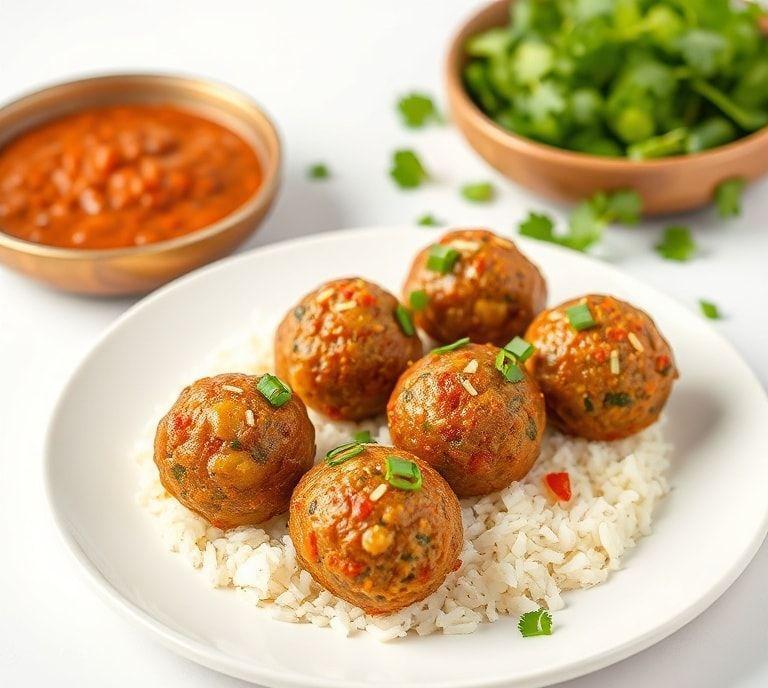
Koftas come in various shapes and sizes, but the vegetarian version often centers around vegetables like zucchini, potatoes, and peas, paired with chickpea flour or breadcrumbs to bind it all together. The beauty of this dish is in its adaptability-you can swap in ingredients you have on hand or prefer. The spices, however, are non-negotiable, offering the depth and warmth that make these koftas irresistible.
Here’s how to make them:
Ingredients Needed
- 2 medium-sized potatoes (about 2 cups when mashed)
- 1 cup grated zucchini (lightly squeezed to remove excess moisture)
- 1/2 cup cooked peas (green or yellow, whatever you have)
- 1/4 cup chickpea flour (or breadcrumbs if you’re in a pinch)
- 1/2 teaspoon cumin powder
- 1/2 teaspoon coriander powder
- 1/2 teaspoon garam masala (adds that signature aromatic warmth)
- 1/4 teaspoon turmeric powder (for color and a hint of bitterness)
- 1/4 teaspoon red chili powder (adjust to your heat preference)
- 2 tablespoons chopped cilantro
- 1 small onion (finely chopped)
- 1 tablespoon grated ginger
- 1 garlic clove (minced)
- Salt and pepper to taste
- 2-3 tablespoons oil (for frying, or you can bake them if preferred)
- Lemon juice (optional, for a fresh zing)
Cooking Instructions
Step 1: Prepare The Veggies
Start by boiling the potatoes until soft, then mash them. While the potatoes are boiling, grate the zucchini and lightly squeeze out any excess moisture-this step is important to avoid soggy koftas. After that, cook the peas until tender, or use frozen peas if you have them handy.
Step 2: Mix The Ingredients
In a large bowl, combine the mashed potatoes, grated zucchini, peas, chopped cilantro, and onions. Add the ginger, garlic, and all the spices-cumin, coriander, garam masala, turmeric, and chili powder. The warmth from the spices really brings this whole dish together. Then, add the chickpea flour (or breadcrumbs) to help bind everything. Taste the mixture and adjust salt and pepper to your liking.
Step 3: Shape The Koftas
With wet hands, shape the mixture into small balls or oval-shaped koftas. I usually go for about 1.5-inch balls-big enough to be hearty but small enough for a few bites. Make sure they’re compact but not too dense, so they stay together while cooking.
Step 4: Fry Or Bake
Heat a couple of tablespoons of oil in a frying pan over medium heat. Carefully add the koftas to the pan, being sure not to overcrowd them. Fry until they’re golden and crispy on all sides-about 3-4 minutes per side. If you’re watching your oil intake, you can also bake them at 375°F (190°C) for about 20 minutes, flipping halfway through.
Step 5: Serve And Enjoy
Once fried to a beautiful golden brown, remove the koftas from the oil and drain them on paper towels. You can serve them with a cooling yogurt dip, a fresh tomato chutney, or even a simple cucumber raita. A squeeze of lemon juice over the top will add a nice burst of freshness. They’re also excellent in a pita with some pickled vegetables and tahini sauce.
Ingredient Science Spotlight
When making koftas, the key is finding the perfect balance of moisture, texture, and flavor. The potatoes provide a starchy base that holds the mixture together while giving the koftas a soft, pillowy texture. The zucchini, on the other hand, adds moisture but also needs to be squeezed to remove excess water. If not, you’ll end up with a soggy mixture that falls apart during frying.
The chickpea flour acts as a binder, absorbing moisture and helping to form a firm structure. If you use breadcrumbs, you get a slightly crisper texture, but the chickpea flour gives a traditional taste and acts more as a cohesive element. The spices-cumin, coriander, garam masala, and turmeric-are essential for that aromatic punch that defines the dish, bringing together warmth, slight bitterness, and an overall complex flavor profile.
The frying process is where the magic happens. When the koftas hit the oil, the outside becomes crispy and golden, sealing in all the moisture and flavor inside. This creates a satisfying contrast between the tender interior and the crispy shell.
Expert Tips
- Consistency is Key: If the mixture feels too wet and isn’t holding shape, add a bit more chickpea flour or breadcrumbs. If it’s too dry, a splash of water or milk will help bring everything together.
- Season Generously: Vegetarian dishes often rely on spices to provide flavor, so don’t be shy with the seasonings. If you’re not sure, always err on the side of more seasoning; you can always adjust later.
- Test Fry One First: Before frying all of the koftas, fry one to test the texture and flavor. If it falls apart or is too bland, you can adjust the ingredients before committing to the full batch.
- Rest Before Cooking: After shaping your koftas, let them rest in the fridge for about 30 minutes before frying or baking. This helps them firm up and makes them less likely to break apart.
- Flavor Pairings: Vegetarian koftas pair wonderfully with yogurt-based dips, tangy chutneys, or even a mild curry sauce. A cool cucumber raita with some mint can balance out the spiciness perfectly.
Recipe Variations
While this recipe is delicious as is, there are plenty of ways to make it your own:
- Paneer Koftas: Add some crumbled paneer (Indian cottage cheese) to the mix for extra richness and flavor.
- Sweet Potato Koftas: Replace the regular potatoes with sweet potatoes for a slightly sweeter, earthy twist. The sweetness pairs beautifully with the spices.
- Herb Variations: Experiment with herbs like mint, basil, or dill to introduce new flavors. Dill pairs especially well if you’re serving the koftas with a tangy yogurt sauce.
- Spicy Koftas: If you love heat, add chopped green chilies or a dash of cayenne pepper to the mix for an extra spicy kick.
- Baked Option: If you’re looking for a lighter option, bake the koftas in the oven instead of frying them. Just spray them with a little oil to get a crispy exterior.
Final Words
Koftas-whether vegetarian or meat-based-are a celebration of flavors. What I love about this recipe is its versatility. You can adapt it based on what you have on hand, make it spicier or milder, and even make the entire dish your own by adjusting the ingredients or the spices. The beauty of making vegetarian koftas is that it brings together fresh vegetables, aromatic spices, and a variety of textures in one bite.
What makes these koftas even better is the fact that they’re not just for special occasions-they’re perfect for any day of the week when you want something that feels both comforting and exciting. They’re easy to prepare, and the result is always impressive.
FAQs
What Are The Main Ingredients Used In A Vegetarian Kofta Recipe?
Vegetarian kofta recipes typically use a combination of vegetables, legumes, and spices. Common ingredients include grated or mashed vegetables like potatoes, carrots, and zucchini, along with paneer or chickpea flour for binding. Aromatic spices such as cumin, coriander, garam masala, turmeric, and chili powder are added for flavor, while herbs like cilantro or mint provide freshness. Some recipes may also include nuts or raisins to add texture and subtle sweetness.
How Can I Make Vegetarian Koftas Without Them Falling Apart During Cooking?
To prevent vegetarian koftas from falling apart, it is important to ensure the mixture is not too wet. Ingredients like grated vegetables should be squeezed to remove excess moisture. Using binding agents such as chickpea flour, bread crumbs, or mashed potatoes helps hold the mixture together. Shaping the koftas tightly and chilling them for 15-30 minutes before frying or baking also improves stability. Additionally, cooking them on medium heat rather than high heat ensures they retain their shape and cook evenly.
Can Vegetarian Koftas Be Made In Advance And Stored?
Yes, vegetarian koftas can be prepared in advance. Raw koftas can be shaped and stored in the refrigerator for up to 24 hours or frozen for longer storage. If freezing, place them on a tray in a single layer until solid before transferring to a sealed container to prevent sticking. Cooked koftas can also be refrigerated for 2-3 days and gently reheated in the oven or on the stovetop. It is best to store the sauce separately and combine it with the koftas just before serving to maintain texture.