Food has a unique way of connecting us to different places, times, and memories. For me, cooking often feels like an exploration-one where every ingredient is a destination. There’s something special about the dishes that come from the heart of a culture, where tradition and love collide on the plate. One of those dishes that I keep coming back to is the jeon-Korean pancakes. They’re a popular snack or appetizer, usually served in homes or restaurants during holidays or family gatherings. The crispy edges, tender interior, and versatile ingredients make them hard to resist.
However, today we’re focusing on a twist: the vegetarian version of this iconic dish. Whether you’re a long-time fan of Korean cuisine or just starting to explore it, making a jeon at home is a surprisingly simple yet rewarding experience. No need for fancy gadgets or exotic techniques-just a few staple ingredients and some creativity. Let’s dive into how to make a Korean vegetarian pancake that is sure to be a hit.
Korean Pancake Vegetarian Recipe
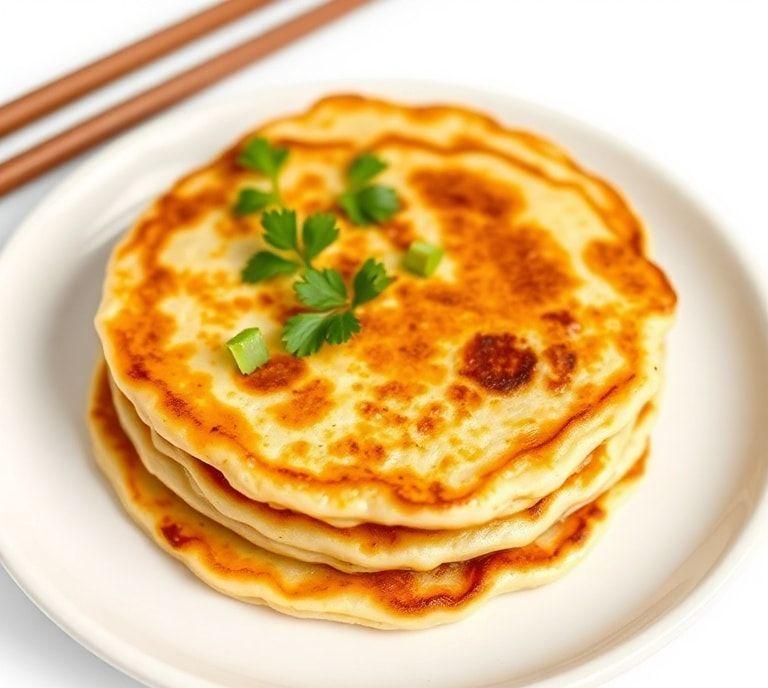
This recipe is not just about putting ingredients together; it’s about celebrating fresh produce in a dish that’s both hearty and light at the same time. The key to the success of this vegetarian jeon lies in balance. You’ll get crispy, golden edges, a chewy center, and an assortment of veggies that make the pancake an interesting mix of flavors and textures. It’s filling but not overwhelming, satisfying but not heavy. It’s the kind of dish that allows you to enjoy every bite, even as the flavors slowly unfold.
Ingredients Needed
Here’s what you’ll need to create this tasty vegetarian Korean pancake. I love this part because it’s so simple yet versatile-you can change things up depending on what’s in season or what you have in your fridge.
- 1 cup of all-purpose flour (for that perfect texture)
- 1 tablespoon cornstarch (this gives the pancake a slightly crispier bite)
- 1 cup cold water (cold water is key to achieving that light, airy texture)
- 1/4 cup of chopped scallions (scallions add a fresh, mild onion flavor)
- 1/2 cup grated carrot (adds sweetness and color to the pancake)
- 1/4 cup sliced bell pepper (red or yellow, for a slight sweetness)
- 1/2 cup sliced zucchini (zucchini keeps the pancake moist and light)
- 1/4 teaspoon salt (enhances the natural flavors of the veggies)
- 1/4 teaspoon black pepper (adds just a hint of spice)
- Vegetable oil (for frying)
Optional: You can also add a handful of mushrooms, like shiitake or oyster, if you’re craving that earthy, umami depth.
For the dipping sauce:
- 2 tablespoons soy sauce
- 1 teaspoon rice vinegar
- 1 teaspoon sesame oil
- 1 teaspoon sugar
- 1 teaspoon sesame seeds (to sprinkle on top, for texture)
Cooking Instructions
Cooking this pancake is a lot more fun than it sounds. Trust me, you’ll be flipping that pancake with a sense of pride before you even finish cooking the first one. Here’s how to do it:
- Make the batter: In a mixing bowl, combine the flour, cornstarch, and salt. Slowly add the cold water while whisking gently until a smooth batter forms. You want it to be a little thicker than regular pancake batter, but still able to flow.
- Prep the veggies: Chop your veggies into bite-sized pieces. I like to go for a combination of texture-some crunchy bits from the carrots and bell peppers, some soft and juicy ones from the zucchini.
- Heat the pan: Heat a generous tablespoon of vegetable oil in a large frying pan over medium heat. You want enough oil so that the pancake has space to crisp up without being submerged in oil (like a shallow fry).
- Make the pancake: Once the oil is hot, pour in the batter, spreading it out evenly in the pan. Add your vegetables on top of the batter, pressing them lightly into the mixture. Cook for about 4-5 minutes on one side until the edges start to turn golden and crispy.
- Flip: Here’s the tricky part, but the more you practice, the easier it gets. Flip the pancake over using a spatula. If you’re feeling adventurous, you can do the quick flip (like flipping an omelet)-but, honestly, a gentle spatula flip works just fine! Let it cook for another 3-4 minutes, or until the other side is golden and crispy.
- Serve: Once done, transfer the pancake to a plate lined with a paper towel to absorb any excess oil. Cut it into wedges, and you’re ready to serve with the dipping sauce.
Ingredient Science Spotlight
Each ingredient in this dish plays a specific role, creating a symphony of textures and flavors that contribute to the magic of jeon.
- Flour and cornstarch: The flour provides structure, while the cornstarch helps to make the pancake crispier. This combination is key for that golden, crunchy exterior.
- Cold water: This is a little secret to getting the pancake light and airy. The cold water keeps the batter from becoming too thick, which helps create that perfect soft, fluffy interior.
- Vegetables: Beyond flavor, the vegetables add moisture and texture to the pancake. Zucchini, for example, has a high water content that prevents the pancake from drying out, while carrots and bell peppers add a fresh crunch.
- Scallions: Scallions are the ultimate flavor enhancer. They add a mild, sweet onion flavor without overpowering the dish, giving it a layer of subtle sophistication.
- Sesame oil in the dipping sauce: A key to any Korean dish, sesame oil imparts a rich, nutty flavor that elevates the soy sauce and vinegar mix, giving the dish that final, unforgettable touch.
Expert Tips
- Consistency is Key: If the batter feels too runny, add a little more flour. If it’s too thick, splash in a tiny bit more cold water. The perfect batter should fall slowly from a spoon, but still coat the back of it.
- Perfect Flip: If flipping the pancake feels like too much pressure, make smaller pancakes. They’re easier to handle and cook more evenly.
- Let the oil get hot: A medium-high heat will give you the crispy, golden edges. If the oil is too cool, the pancake will soak up too much oil and become soggy. If it’s too hot, it’ll burn before the inside cooks through.
- Serve Immediately: Korean pancakes are best enjoyed right off the pan, while they’re crispy. They lose their texture as they cool.
Recipe Variations
The beauty of Korean pancakes lies in their versatility. You can swap out the vegetables depending on what’s in season or based on personal preference. Here are a few variations to keep things exciting:
- Kimchi Jeon: Add a few spoonfuls of chopped kimchi to the batter for a spicy, tangy twist.
- Sweet Potato Jeon: Thinly slice sweet potatoes and layer them in the batter for an added layer of sweetness and texture.
- Mushroom Jeon: Swap in a variety of mushrooms (shiitake, oyster, or button) to create a rich, earthy flavor.
The key is to experiment with whatever vegetables or fillings you have. Don’t be afraid to get creative with the batter. Sometimes the unexpected combinations lead to the best results.
Final Words
Cooking isn’t just about following a recipe; it’s about creating something that brings joy, something that tells a story. Making a Korean vegetarian pancake is a reminder of how simple ingredients, when combined thoughtfully, can create something so much greater than the sum of its parts. It’s a dish that brings comfort, brings memories, and, most importantly, brings people together.
FAQs
What Are The Main Ingredients In A Korean Vegetarian Pancake?
The main ingredients in a Korean vegetarian pancake, also known as ’Jeon’ or “Pajeon”, typically include a variety of vegetables such as zucchini, carrots, onions, mushrooms, and bell peppers. The batter is made from flour, water, a little cornstarch, and a pinch of salt. For added flavor, a small amount of sesame oil, soy sauce, and gochugaru (Korean chili flakes) can be included, though these ingredients are optional depending on personal preference.
Can I Make A Gluten-free Korean Pancake?
Yes, it is possible to make a gluten-free Korean pancake. To make a gluten-free version, substitute the all-purpose flour with a gluten-free flour blend or rice flour. You may need to adjust the consistency of the batter by adding a bit more water or using cornstarch to help bind the ingredients together. The texture might differ slightly from the traditional version, but it will still be delicious.
How Do I Serve Korean Vegetarian Pancakes?
Korean vegetarian pancakes are often served as a savory snack or appetizer. They are typically enjoyed with a dipping sauce made from soy sauce, rice vinegar, sesame oil, and a touch of sugar or honey. Some people also add chopped green onions or chili flakes to the dipping sauce for extra flavor. For a more filling meal, you can serve the pancakes with a side of steamed rice and kimchi.