Korean ramen holds a special place in my heart. It’s more than just a quick meal; it’s a comforting dish that brings back memories of cozy nights, good conversations, and simple yet satisfying flavors. If you’ve ever had a steaming bowl of Korean ramen, you know it’s like a warm hug from the inside. The savory broth, chewy noodles, and those signature umami notes come together in a way that feels both nostalgic and exciting.
Now, what if I told you it’s possible to make a vegetarian version of Korean ramen that’s just as delicious and fulfilling? The beauty of ramen lies in its versatility, and you don’t need meat to capture that rich, complex flavor. So, whether you’re a lifelong vegetarian, just trying to cut down on meat, or simply looking for a new take on a beloved classic, this recipe will show you how to make Korean ramen with all the flavors, and none of the meat.
Let’s dive in!
Korean Ramen Vegetarian Recipe
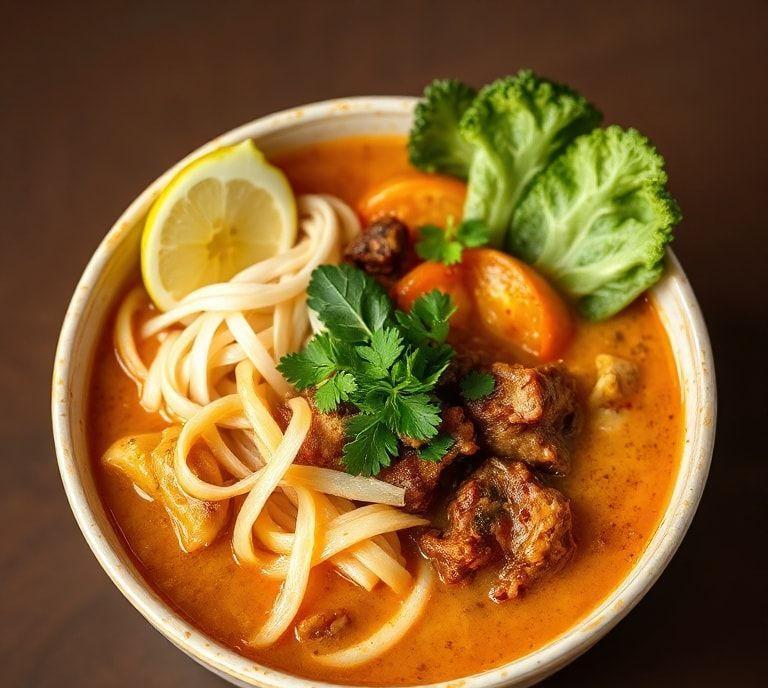
Before we jump into the specifics, let’s talk about what makes Korean ramen stand out. The spicy, savory broth, the chewy noodles, and the balance of textures-these are the things that make it unforgettable. But when you strip out the animal-based ingredients, you’re left with the challenge of recreating those depth of flavors. So, we’ll lean into the spices, fresh vegetables, and a few tricks to elevate the taste.
Ingredients Needed
For this vegetarian version of Korean ramen, we’ll keep it as close to the original as possible, using plant-based substitutes while still maintaining that signature Korean flair.
Here’s what you’ll need:
- 1 packet of Korean instant ramen (Look for vegetarian-friendly options, or make sure the seasoning packet is plant-based)
- 2 cups vegetable broth (This will be the base of your soup, so pick a good-quality one with rich flavor)
- 1 tablespoon soy sauce (A touch of salty umami)
- 1 tablespoon gochujang (Korean chili paste, essential for that signature spicy, umami kick)
- 1 tablespoon sesame oil (Adds a nutty, toasty flavor)
- 1 teaspoon sesame seeds (For garnish and texture)
- 1/2 cup sliced mushrooms (Shiitake or button mushrooms work great-these will give you a meaty texture)
- 1/2 cup spinach (A handful of greens for color and freshness)
- 1/4 cup chopped tofu (For protein and that hearty bite)
- 1/2 carrot, julienned (For crunch and sweetness)
- 1 boiled egg (Optional, but adds richness and a velvety texture)
- 1 green onion, chopped (For a burst of freshness and color)
- 1/2 teaspoon garlic powder (Optional, but brings out some depth)
Cooking Instructions
- Prepare the broth: In a medium-sized pot, combine the vegetable broth, soy sauce, gochujang, and sesame oil. Bring it to a gentle simmer over medium heat. As the broth heats, stir to dissolve the gochujang into the liquid. The aroma will be mouthwatering!
- Add the mushrooms and tofu: Once the broth is simmering, toss in the sliced mushrooms and tofu. Let it simmer for 5-7 minutes. The mushrooms should soften and release their earthy flavors into the broth, while the tofu absorbs all those delicious spices.
- Cook the ramen noodles: While the broth is bubbling away, cook the ramen noodles in a separate pot according to the package instructions (usually about 3-4 minutes). Drain and set aside.
- Final touches: Once the mushrooms and tofu are tender, add the spinach and carrots to the pot. Stir and let them cook for another minute. You want the spinach to wilt just slightly, and the carrots to stay crisp.
- Assemble the ramen: Place the cooked noodles in a large bowl. Pour the hot broth, mushrooms, tofu, spinach, and carrots over the noodles.
- Garnish and serve: Top your ramen with a boiled egg (if using), green onions, sesame seeds, and a drizzle of sesame oil for extra flavor.
Ingredient Science Spotlight
You may be wondering: why these ingredients? What is it about tofu, gochujang, and vegetable broth that makes this recipe sing?
Let’s start with tofu. It’s not just a meat substitute-it has a subtle flavor that soaks up whatever it’s cooked with, making it an ideal choice for this ramen. Tofu’s high protein content also makes the dish feel substantial, so you’re not left hungry after finishing your bowl.
Gochujang is the secret weapon here. This fermented chili paste brings an unmatched depth of flavor, combining the heat from the chili, the umami of fermented soybeans, and the sweetness of rice. It’s a key ingredient in Korean cuisine, and in this dish, it’s the bridge between the savory broth and the fresh vegetables. It’s spicy without being overwhelming, and it adds complexity to the dish.
Vegetable broth serves as the canvas for all these flavors. A rich, flavorful broth is essential for any ramen, vegetarian or not. By using a good-quality vegetable broth, you ensure the base is deep enough to carry the other ingredients without them getting lost.
Expert Tips
- Use fresh vegetables: The crunch of the carrots, the earthiness of the mushrooms, and the freshness of the spinach all add important textures and flavors. Don’t skip the vegetables- they’re what elevate this from a plain noodle dish to something satisfying and complex.
- Customize your spice level: If you’re not a fan of super spicy ramen, you can control the heat by adjusting the amount of gochujang you use. Start with half the recommended amount and taste test as you go. The beauty of cooking at home is that you can make it exactly to your liking!
- Add a splash of vinegar: If you’re craving an extra layer of complexity, try a small splash of rice vinegar right before serving. It adds a bit of acidity that balances the richness of the broth.
- Noodle tip: Ramen noodles can clump together if they sit too long after being cooked. If you’re prepping in advance, rinse the noodles under cold water to prevent them from sticking before adding them to your broth.
Recipe Variations
There are endless ways to make this ramen your own. Here are some variations to experiment with:
- Spicy miso ramen: Instead of gochujang, use a tablespoon of red miso paste. This gives the broth a slightly different flavor profile, but still rich and savory.
- Crispy tofu: For a different texture, try pan-frying the tofu until golden brown and crispy before adding it to the ramen. It’ll add an extra layer of crunch and flavor.
- Kimchi ramen: Add a small spoonful of kimchi to your ramen just before serving. It adds an incredible burst of sour and spicy flavor that complements the broth.
- Vegan upgrade: Skip the boiled egg altogether or replace it with a few slices of avocado for a creamy texture.
Final Words
Korean ramen is comfort food at its best, and this vegetarian version proves that you don’t need meat to enjoy all the rich, spicy goodness. Whether you’re making it on a cold day to warm up or as a quick dinner after a long day, this ramen checks all the boxes-flavor, texture, and ease. The beauty of this recipe is its flexibility, so feel free to tweak it and make it your own.
FAQs
What Are The Main Ingredients For A Vegetarian Korean Ramen Recipe?
A vegetarian Korean ramen recipe typically includes instant ramen noodles, vegetable broth or water, tofu (either firm or silken depending on preference), a variety of vegetables such as mushrooms, spinach, carrots, and scallions, soy sauce or tamari, gochujang (Korean chili paste) for flavor, and optional seasonings like sesame oil, garlic, ginger, and sesame seeds.
Can I Make A Vegan Version Of Korean Ramen?
Yes, a vegan version of Korean ramen can easily be made by substituting the ingredients that contain animal products. For example, use vegetable broth instead of chicken broth, tofu or tempeh in place of any meat, and check the ramen seasoning packets to ensure they don’t contain any non-vegan ingredients such as fish sauce or egg powder. Additionally, replace any dairy-based toppings, like boiled eggs, with extra vegetables or plant-based alternatives.
How Can I Adjust The Spice Level In A Vegetarian Korean Ramen Recipe?
The spice level in vegetarian Korean ramen can be adjusted by modifying the amount of gochujang (Korean chili paste) and gochugaru (Korean chili flakes) used in the recipe. For a milder flavor, reduce the amount of gochujang or use a non-spicy substitute like miso paste. For a spicier dish, you can add more gochujang, gochugaru, or even fresh chili peppers, depending on your heat preference.