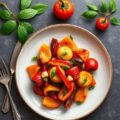
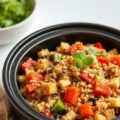
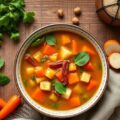
Tofu soups are such a warm and comforting dish. It’s one of those meals that wraps you in a cozy embrace, like a bowl of love. I remember the first time I tried Korean tofu soup-it was at a small, family-run Korean restaurant in the heart of the city. The steam rising from the bowl, the rich, spicy broth, and the silky smooth tofu… It felt like the world had stopped for just a moment. That was when I knew I had to recreate it myself.
But here’s the catch: I wanted to keep it light and vegetarian. After all, tofu is one of those ingredients that has a versatility all its own. It’s perfect for creating a hearty meal without the heaviness of meat. So, if you’re someone who loves bold flavors, but wants to go easy on the meat, this Korean Tofu Soup Vegetarian Recipe is the perfect match.
This recipe is a great way to explore the savory depth of Korean cuisine without needing to become a master chef. It’s full of spices, textures, and tastes that blend together beautifully. And the best part? It’s really easy to make. Let’s dive in and explore how to make a bowl of comfort and flavor!
Korean Tofu Soup Vegetarian Recipe
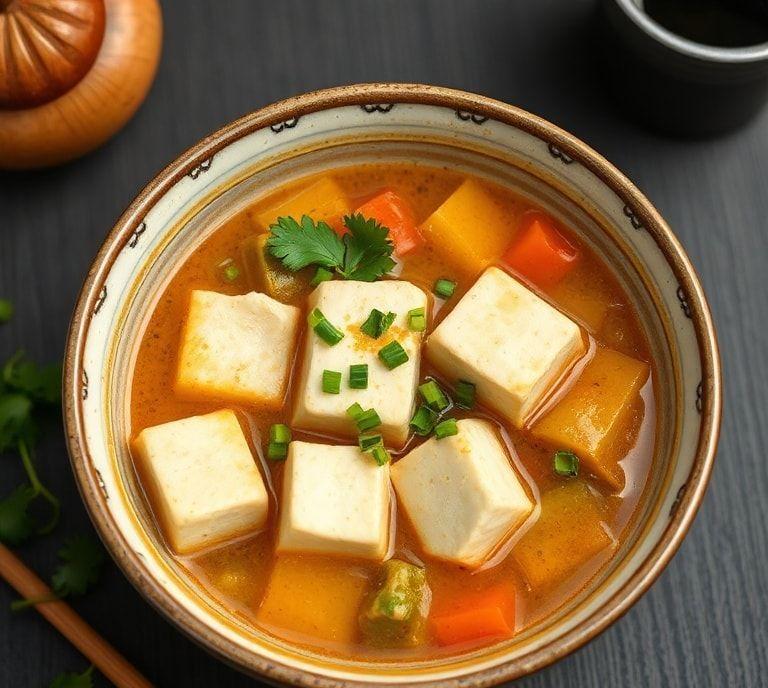
You can call this a sundubu jjigae, which is the Korean name for tofu stew. It’s traditionally served as a spicy, bubbling hot dish with seafood or meat, but today, we’re going for a vegetarian twist, keeping all the vibrant flavors but swapping out animal products for plant-based goodness.
Ingredients Needed
Here’s what you’ll need to gather. Don’t be intimidated by the list-it’s all fairly straightforward, and I promise it’s worth it!
- Soft or Silken Tofu – The key ingredient! You’ll want to use soft or silken tofu, as it melts into the broth, giving the soup its signature creamy texture. Don’t go for firm tofu here-it won’t have the same luxurious feel.
- Vegetable Broth – Instead of using chicken or beef stock, we’ll be using vegetable broth. It keeps the soup light and brings out the fresh, earthy flavors.
- Kimchi – This might surprise you, but kimchi adds a tangy, umami punch that makes the soup taste like it’s been simmering for hours. The fermentation adds complexity to the dish that you just can’t get from fresh vegetables alone.
- Shiitake Mushrooms – Earthy, chewy, and full of flavor. They add that meaty texture that’s perfect for a vegetarian soup. I always love the depth they bring.
- Gochujang (Korean chili paste) – This is the magic ingredient. Gochujang is a spicy, savory, and slightly sweet paste that adds a unique flavor profile. It’s not just heat; it’s richness and umami in one.
- Gochugaru (Korean chili flakes) – For that extra level of heat and a smoky, peppery undertone.
- Garlic – Because no Korean dish is complete without garlic! It deepens the broth and pairs perfectly with the other flavors.
- Onion – A staple in many Korean dishes, it adds sweetness and balance to the soup.
- Soy Sauce – A little bit of soy sauce helps bring everything together. It’s salty, umami-packed, and just what the broth needs.
- Sesame Oil – For that toasted, nutty aroma that will have everyone asking, ’What”s that smell”?
- Green Onion – For garnish, providing a bit of fresh bite on top of the richness of the soup.
- Toasted Sesame Seeds – Optional, but a nice touch for added texture and visual appeal.
Cooking Instructions
- Prepare the Tofu – Start by cutting your tofu into cubes. I like to use soft tofu for its creamy texture, but you can use silken tofu for a more delicate consistency. Set it aside and don’t worry if it’s a bit wobbly. It’s part of the charm.
- Sauté the Aromatics – Heat up a tablespoon of sesame oil in a large pot over medium heat. Add in the garlic and onion and sauté until they’re fragrant and soft. You should be able to smell the garlic before it even hits the pan-that’s when you know you’re on the right track.
- Add the Mushrooms – Toss in the shiitake mushrooms and cook for another 3-4 minutes, allowing them to absorb all that savory goodness from the sesame oil. They’ll start to soften and release their juices, making your kitchen smell amazing.
- Mix the Broth – Add in your vegetable broth, gochujang, and gochugaru. Stir it all together and bring it to a gentle simmer. This is where the magic happens. You’ll want the broth to have a bit of spice, but nothing too overpowering. Adjust the gochujang and gochugaru to suit your spice preference.
- Add Tofu and Simmer – Gently add the tofu cubes into the pot. Don’t stir too vigorously, as tofu can break apart easily. Let the soup simmer on low heat for 5-10 minutes so that the tofu absorbs the flavors of the broth. During this time, the tofu will become infused with the spicy, umami-packed liquid, and you’ll begin to see that silky texture emerge.
- Finish with Kimchi and Soy Sauce – Once your tofu is perfectly heated through, stir in the kimchi and soy sauce. Kimchi adds an extra tangy and savory layer, while the soy sauce ties it all together with some saltiness. Let everything simmer for another 2-3 minutes.
- Serve – Ladle the soup into bowls and garnish with green onions and toasted sesame seeds. If you’re feeling fancy, a fried egg on top wouldn’t hurt either.
Ingredient Science Spotlight
Each ingredient in this recipe brings something special to the table. Take gochujang, for example-it’s a fermented paste that’s packed with both spice and umami. The fermentation process means that it has beneficial bacteria, making it a probiotic-rich addition to the dish. It’s not just about heat; it’s about creating a balance of savory, spicy, and sweet.
Tofu, on the other hand, is an excellent source of plant-based protein and contains all nine essential amino acids. The soft tofu used in this recipe is especially unique because it has a high water content, making it perfect for soaking up the rich, spicy broth. The result is a silky texture that contrasts wonderfully with the chewy mushrooms.
And let’s not forget the mushrooms-shiitakes contain compounds that boost the immune system and are great sources of antioxidants. The earthy flavor they bring helps balance out the heat from the gochujang and gochugaru.
Expert Tips
- Adjust the Spice: If you’re new to spicy food, start with a little less gochujang and gochugaru, and gradually add more as you taste. It’s all about finding that perfect balance for your palate.
- Use Fresh Tofu: Tofu can vary in texture, even within the same brand, so don’t be afraid to experiment with different types until you find what you like best.
- Add Vegetables: If you’re feeling adventurous, add extra vegetables like spinach, zucchini, or carrots. They’ll add color, texture, and nutrition to the soup.
- Make it a One-Pot Meal: Serve the soup with a side of rice to make it a more substantial meal. The rice soaks up the broth, making every bite even better.
Recipe Variations
- Spicy Mushroom & Tofu: If you’re a mushroom lover, you can increase the amount of shiitake mushrooms and even try adding enoki mushrooms for extra texture.
- Sweet & Savory: For a slightly sweeter version, add a spoonful of miso paste or a drizzle of maple syrup. This will help balance the spiciness and give the broth an extra layer of depth.
- Add Tofu Scramble: Instead of using whole tofu cubes, you can scramble the tofu to create a more rustic, textured soup. Just crumble it up in the pot, and let it simmer away.
Final Words
This Korean Tofu Soup Vegetarian Recipe is a testament to how simple ingredients can create something spectacular. The flavors are bold and complex, yet the process is so straightforward. Whether you’re an experienced cook or just starting out, this dish is one of those comforting meals that everyone should know how to make.
FAQs
Can I Make Korean Tofu Soup Completely Vegetarian?
Yes, you can make Korean tofu soup completely vegetarian by replacing traditional anchovy or beef broth with a vegetable-based broth. Ingredients like kombu (edible kelp), shiitake mushrooms, and soy sauce can provide a rich umami flavor without the use of animal products. Additionally, ensure that any gochujang or other Korean condiments used are labeled vegetarian, as some may contain fish-based ingredients.
What Type Of Tofu Is Best For Vegetarian Korean Tofu Soup?
For Korean tofu soup, medium-firm or firm tofu works best because it holds its shape during cooking and provides a satisfying texture. Soft tofu can also be used for a creamier, more delicate texture, but it should be added toward the end of cooking to prevent it from breaking apart.
What Vegetables And Seasonings Are Typically Used In A Vegetarian Version Of Korean Tofu Soup?
A vegetarian Korean tofu soup often includes ingredients like zucchini, mushrooms, onions, and spinach. Seasonings typically include garlic, ginger, soy sauce, sesame oil, and Korean chili paste (gochujang) or chili flakes (gochugaru) for heat. Optional garnishes can include chopped green onions, kimchi (vegetarian version), and toasted sesame seeds for added flavor and texture.