There are some dishes that instantly transport you to a specific place-whether it’s the aromatic streets of Chennai, the bustling food stalls in Colombo, or the vibrant food markets of Kerala. Kothu Parotta is one of those dishes. Born out of the vibrant streets of Southern India, it’s an intoxicating combination of flaky parotta, spices, vegetables, and a fiery blend of flavors that make it a beloved comfort food for many. For me, Kothu Parotta is more than just a meal; it’s a symbol of togetherness, late-night food runs, and nostalgia. I remember the first time I tried it, sitting at a tiny roadside joint, surrounded by a group of friends who were so eager to introduce me to their favorite street food. The dish hit all the right spots-spicy, savory, crunchy, and comforting, all in one bite.
Whether you’re a vegetarian or just trying to reduce meat in your diet, Kothu Parotta is a dish you’ll fall in love with. It’s also an amazing way to use up leftover parottas (if you’ve ever found yourself with extra parottas lying around, this dish is a game-changer). The beauty of Kothu Parotta is that it is infinitely customizable, and each bite packs a punch of flavor, making it perfect for any occasion-from a quick weeknight dinner to a more elaborate weekend meal.
Let’s dive into how to make this dish in the comfort of your own kitchen. Trust me, once you try it, you’ll understand why it’s such a favorite.
Kothu Parotta Vegetarian Recipe
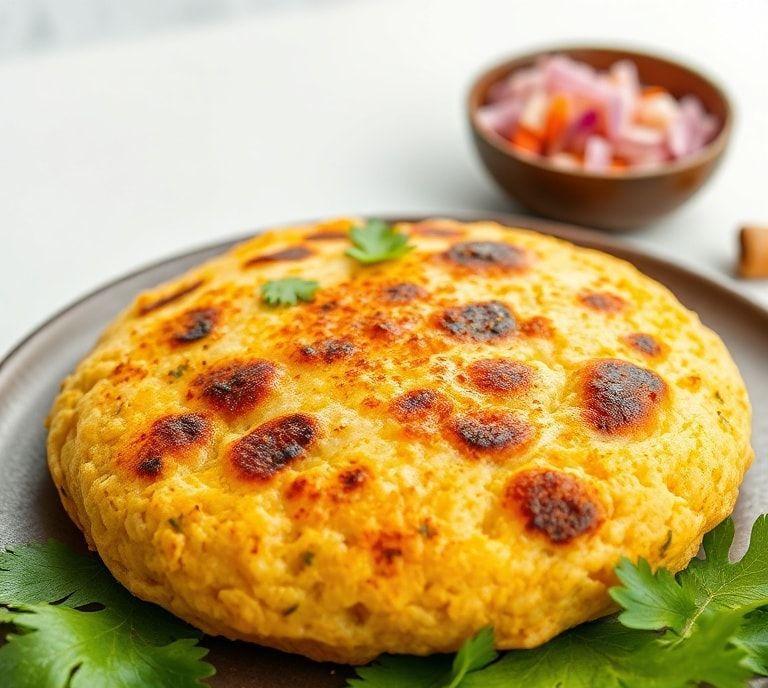
Kothu Parotta is incredibly versatile, and for this vegetarian version, we’re going to use a mix of vegetables and a bit of spice to bring everything to life. The goal is to keep the textures exciting, the flavors bold, and the dish well-balanced. Don’t worry if you’ve never made it before; the recipe is simple enough to follow, and the results will impress anyone who tries it.
Ingredients Needed
For this vegetarian Kothu Parotta, here’s what you’ll need:
- 2-3 Parottas (flaky and layered Indian flatbread-use store-bought or homemade)
- 1 medium onion, finely chopped
- 1 large tomato, chopped
- 1 carrot, julienned
- 1/2 cup cabbage, finely shredded
- 1/2 cup green peas
- 2-3 green chilies, slit lengthwise (optional, adjust based on heat preference)
- 1/2 teaspoon ginger-garlic paste
- 1 teaspoon curry leaves (fresh or dried)
- 1 teaspoon mustard seeds
- 1 teaspoon garam masala
- 1 teaspoon chili powder (adjust to taste)
- 1 teaspoon turmeric powder
- Salt, to taste
- 2 tablespoons oil (coconut oil or vegetable oil)
- Fresh cilantro, for garnish
- Lemon wedges, to serve
- Cashews or peanuts (optional, for crunch)
Cooking Instructions
Now, let’s get cooking. The key to making this dish is in the technique and getting the texture of the parotta just right. Here’s a step-by-step guide:
- Prepare the Parottas: If you’re using store-bought parottas, heat them up in a pan, then tear them into small, bite-sized pieces. The beauty of Kothu Parotta lies in the texture, so you want the parottas to be flaky but not soggy.
- Cook the Vegetables: In a large pan or wok, heat 1 tablespoon of oil. Add the mustard seeds, and when they start popping, throw in the curry leaves, ginger-garlic paste, and green chilies. Sauté for a minute until fragrant.
- Add the Onions: Now, add the chopped onions and cook them until they turn soft and slightly golden. Stir occasionally to prevent burning.
- Vegetable Time: Toss in the carrots, cabbage, and peas. Sauté for about 3-4 minutes, keeping the heat medium-high. You want the vegetables to stay a little crisp, not overly soft.
- Spice It Up: Add the turmeric powder, chili powder, and garam masala. Stir everything well and let it cook for another 2-3 minutes. The spices will begin to coat the vegetables, creating a fragrant aroma.
- Combine Parotta and Veggies: Add the parotta pieces to the pan. Use a spatula to break them up further and mix with the vegetables. The key is to stir-fry the parotta so it absorbs all the flavors of the veggies and spices. If the mix looks dry, add a little more oil.
- Final Touches: Once everything is well mixed and the parotta is crispy, add salt to taste. You can also throw in some cashews or peanuts at this stage for crunch.
- Garnish and Serve: Finish it off with fresh cilantro and a squeeze of lemon juice for that tangy kick. Serve hot, with extra lime wedges on the side.
Ingredient Science Spotlight
Let’s take a moment to appreciate the science behind some of these ingredients. For example, parottas, the base of this dish, are made from flour, oil, and water, and the layers in the dough give it that unique flakiness. When it’s stir-fried in the pan, the oil helps crisp up the layers, making it delightfully crunchy on the edges while still soft in the center.
Curry leaves, which are often an underappreciated ingredient in Indian cooking, contain essential oils that are rich in antioxidants and may have digestive benefits. Their aroma is incredibly aromatic and adds depth to the flavor of the dish.
The vegetables, such as carrots, peas, and cabbage, provide a satisfying crunch that contrasts beautifully with the tender parotta. The combination of turmeric and chili powder adds both heat and color, transforming the dish into something vibrant and fragrant.
Expert Tips
- Parotta Texture: If you’re using homemade parottas, ensure they are crispy but not too dry before breaking them up. The texture is key to getting that perfect Kothu Parotta.
- Spice Levels: If you’re sensitive to spice, feel free to adjust the chili powder and green chilies. You can also add a little sugar to balance out the heat.
- Vegan Version: For a vegan version, simply swap the oil for coconut oil and avoid using any dairy-based products. The dish will still taste amazing.
- Leftovers: Kothu Parotta is a great way to use up leftovers, so don’t hesitate to throw in extra veggies or even tofu for added protein.
Recipe Variations
Kothu Parotta is one of those dishes that’s so easy to customize. Here are a few variations you might want to try:
- Mushroom Kothu Parotta: Add some finely chopped mushrooms to the mix for an earthy twist.
- Paneer Kothu Parotta: If you love paneer, cube some up and toss it in with the vegetables for a richer, more indulgent dish.
- Spicy Tofu Kothu Parotta: Add crispy tofu pieces for an added texture and protein boost.
- Mixed Dal Kothu Parotta: You can also stir in a cooked dal (lentils) for an extra layer of flavor and nutrition.
Final Words
Kothu Parotta is one of those recipes that is all about customization. You can make it as simple or as complex as you like, but the core idea remains the same-layers of flavor and texture that come together in a sizzling, satisfying dish. It’s perfect for vegetarians and non-vegetarians alike, and it’s an absolute crowd-pleaser at parties, family dinners, or even late-night cravings.
FAQs
What Ingredients Are Required To Make Vegetarian Kothu Parotta?
To make vegetarian kothu parotta, you need shredded parottas (store-bought or homemade), mixed vegetables such as carrots, beans, peas, and capsicum, onions, tomatoes, green chilies, ginger-garlic paste, turmeric powder, red chili powder, garam masala, curry leaves, and fresh coriander for garnish. Cooking oil, salt, and optionally soy sauce or chili sauce can be added for flavor.
How Do You Prepare Vegetarian Kothu Parotta Step By Step?
First, heat oil in a pan and sauté chopped onions, green chilies, ginger-garlic paste, and curry leaves until aromatic. Add chopped vegetables and cook until slightly tender. Mix in tomatoes, turmeric, chili powder, garam masala, and salt, and cook for a few minutes. Add shredded parotta and toss everything on medium-high heat until the parotta absorbs the spices and flavors. Garnish with chopped coriander and serve hot.
Can I Make Vegetarian Kothu Parotta In Advance Or Store Leftovers?
Yes, you can prepare vegetarian kothu parotta in advance, but it is best eaten fresh for optimal texture. Store leftovers in an airtight container in the refrigerator for up to 1-2 days. When reheating, sprinkle a few drops of water or a little oil and heat on a skillet or pan to restore softness and prevent it from drying out.