Have you ever found yourself in a restaurant, scrolling through a menu, and wondering if you could replicate one of your favorite dishes at home-only to be intimidated by the idea of recreating it? I know I have. One dish that’s stood out in that sense for me is Kung Pao Chicken. The vibrant medley of spicy, sweet, and savory flavors, the crispy texture of peanuts, and that deep umami punch-it just feels like the kind of dish you’d only get from your favorite takeout spot. But one day, I decided to take a deep breath and try a vegetarian twist on the classic. If I’m being honest, I was a bit skeptical at first. Could a meatless version really live up to the original? Spoiler: It did. And not only that, it exceeded all my expectations. This Kung Pao Vegetarian recipe has become one of my go-to meals whenever I’m craving something hearty, satisfying, and full of bold flavors.
It turns out that with the right combination of ingredients and a bit of care in the kitchen, you can create a truly mouthwatering vegetarian Kung Pao dish that could easily be mistaken for its meaty counterpart. Whether you’re a seasoned vegetarian or someone who just enjoys trying new things, I promise this recipe will make its way into your regular rotation.
Kung Pao Vegetarian Recipe
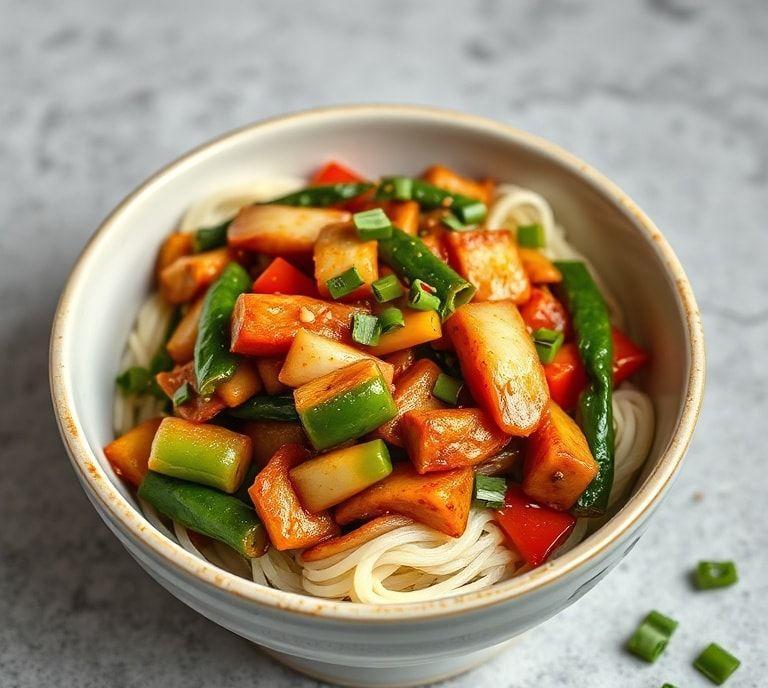
This recipe is packed with all the flavors you know and love from the traditional Kung Pao, but it swaps in plant-based ingredients that are just as satisfying. The key to making this work is using the right vegetables and a protein alternative that can hold its own against the bold flavors of the sauce. But enough of the build-up, let’s dive right into the details.
Ingredients Needed
Before we get started with cooking, it’s important to gather everything you’ll need. Trust me, this will make your life easier once you’re in the thick of it.
For The Stir-Fry
- Tofu (extra firm): This is your main protein source. Extra firm tofu holds its shape well, making it perfect for stir-fries. The trick is pressing it to remove excess moisture, which will help it crisp up beautifully in the pan.
- Bell Peppers: I like to use red and green for color and a sweet, slightly tangy flavor. They’re the perfect complement to the rich sauce.
- Zucchini: Adds a nice crunch and freshness to balance out the depth of the other ingredients.
- Red Onion: I love using red onion here for its mild sweetness and vibrant color.
- Dry Roasted Peanuts: These are essential for that signature Kung Pao crunch. Plus, they bring a nice richness to the dish.
- Dried Chilies: This is where the heat comes from. They give a smoky, fiery depth that’s key to the dish’s flavor profile.
- Garlic: Because no stir-fry is complete without garlic! It adds a fragrant base to the sauce.
- Ginger: A small knob of fresh ginger adds a zesty, peppery bite.
For The Sauce
- Soy Sauce (or tamari for gluten-free): This is your base for the sauce, providing that deep umami flavor that makes Kung Pao so irresistible.
- Rice Vinegar: Adds a touch of acidity to balance out the richness.
- Maple Syrup: A touch of sweetness to contrast the heat.
- Sesame Oil: A little goes a long way in giving the sauce that toasty, nutty aroma.
- Cornstarch: This helps thicken the sauce and gives it that glossy, sticky texture we love in stir-fries.
- Chili Paste or Sriracha: For an extra kick of heat and flavor.
Cooking Instructions
Now that we’ve got everything lined up, let’s get into the cooking. The process is simple, but it’s all about timing and balance.
- Press the Tofu: Start by pressing the tofu to remove excess moisture. Wrap it in a clean kitchen towel or paper towels and place a heavy object (like a can of beans) on top for about 15 minutes. Once pressed, cut the tofu into cubes.
- Make the Sauce: In a small bowl, whisk together the soy sauce, rice vinegar, maple syrup, sesame oil, chili paste, and cornstarch. Set it aside for later.
- Stir-Fry the Tofu: Heat a tablespoon of oil in a large skillet or wok over medium-high heat. Once it’s hot, add the tofu cubes. Let them cook undisturbed for 3-4 minutes on each side until golden brown and crispy. Don’t rush this part-it’s what gives the tofu texture.
- Cook the Vegetables: Remove the tofu from the pan and set it aside. In the same pan, add a bit more oil, then throw in the dried chilies, garlic, ginger, and onion. Stir-fry for about 30 seconds until the garlic is fragrant. Add the bell peppers and zucchini and stir-fry for another 2-3 minutes, just until they’re tender-crisp.
- Combine Everything: Return the tofu to the pan with the vegetables. Pour in the sauce and stir well to coat everything. Let it cook for a couple more minutes until the sauce thickens and becomes sticky.
- Finish with Peanuts: Toss in the dry roasted peanuts and give everything a final stir. You want the peanuts to stay crunchy, so don’t cook them too long.
- Serve: Serve hot, over steamed rice or noodles, and enjoy the explosion of flavors!
Ingredient Science Spotlight
The science behind this dish is all about the harmony between textures, flavors, and the science of cooking. Let’s break it down:
- Tofu: Tofu is made from soybeans, and it’s a fantastic source of plant-based protein. The key to getting it crispy is pressing it before cooking. By removing excess moisture, you allow the tofu to sear and form a golden crust. The crispy exterior and soft interior create a perfect texture contrast, especially when paired with crunchy peanuts.
- Soy Sauce & Rice Vinegar: The pairing of salty soy sauce with acidic rice vinegar balances the dish. Soy sauce is rich in glutamates, which enhance umami, that savory “fifth taste”. Rice vinegar adds brightness and cuts through the richness, preventing the dish from feeling heavy.
- Maple Syrup: Adding a sweetener like maple syrup not only balances out the saltiness and acidity but also caramelizes slightly when cooked, adding depth to the overall flavor profile. It also enhances the beautiful sheen of the sauce.
- Peanuts: Peanuts bring more than just crunch; they’re high in healthy fats, and those fats carry flavor. When you toast peanuts, the Maillard reaction occurs, bringing out a roasted, nutty depth. Their richness adds balance to the sharpness of the chilies and the acidity of the vinegar.
Expert Tips
- Press the Tofu Properly: A common mistake is not pressing the tofu enough. If you don’t remove the moisture, your tofu will be soggy and won’t crisp up in the pan. Take your time with this step.
- Don’t Overcrowd the Pan: When cooking the tofu or vegetables, resist the urge to overcrowd the pan. If the pan is too crowded, things will steam rather than sear, and you’ll miss out on that crispy texture.
- Adjust the Spice Level: If you like it spicy, don’t be afraid to add more dried chilies or chili paste. But if you’re not a fan of too much heat, feel free to use fewer chilies or omit the chili paste.
- Double the Sauce: The sauce is the star of the show. If you want extra sauce to drizzle over your rice or noodles, double the ingredients and cook it down until it’s nice and glossy.
Recipe Variations
- Add More Veggies: Feel free to throw in other veggies like mushrooms, broccoli, or snap peas. The versatility of this dish means you can easily make it your own based on what you have on hand.
- Swap Tofu for Tempeh: If you’re looking for a more earthy flavor, tempeh can replace tofu. It has a firmer texture and a nuttier taste, which pairs well with the bold Kung Pao sauce.
- Make It Gluten-Free: Use tamari instead of soy sauce to make this dish gluten-free. You can also swap out regular cornstarch for arrowroot powder if needed.
Final Words
This Kung Pao Vegetarian recipe is a celebration of bold flavors, satisfying textures, and the joy of cooking something that not only tastes amazing but is packed with wholesome ingredients. Whether you’re cooking for yourself or sharing with friends, it’s a dish that can be customized and adapted to suit your preferences. I’ve made this countless times, tweaking it each time, and it always comes out just as delicious.
FAQs
What Ingredients Are Typically Used In A Vegetarian Version Of Kung Pao?
A vegetarian Kung Pao recipe typically includes firm tofu or tempeh as the main protein source, along with vegetables such as bell peppers, zucchini, carrots, and sometimes mushrooms. The sauce usually consists of soy sauce, hoisin sauce, rice vinegar, sesame oil, sugar, and chili peppers. Roasted peanuts or cashews are added for crunch, and garlic, ginger, and scallions are used for flavor.
How Can I Make Kung Pao Sauce Vegetarian-friendly?
To make the sauce vegetarian-friendly, ensure that all ingredients are plant-based. Replace oyster sauce with mushroom or vegetarian stir-fry sauce. Use soy sauce or tamari for saltiness, rice vinegar for acidity, and sugar for balance. Chili paste or dried chilies provide heat. Mixing these ingredients and thickening the sauce with cornstarch creates the classic tangy and spicy flavor of Kung Pao without using animal products.
What Are Some Tips For Cooking Tofu In A Vegetarian Kung Pao Dish?
To achieve a firm and flavorful tofu in Kung Pao, press the tofu to remove excess water before cooking. Cut it into uniform cubes for even cooking. Pan-fry or bake the tofu until golden and slightly crispy before adding it to the stir-fry. Tossing it in cornstarch before frying can enhance crispiness. Add the tofu toward the end with the sauce to allow it to absorb flavor without becoming soggy.