When I first stumbled upon the concept of Laing, I was hooked right away. This dish is a beautiful reflection of Filipino flavors-deep, earthy, and intensely comforting. Laing is a traditional dish from the Bicol region in the Philippines, known for its creamy coconut milk base and the distinct, slightly bitter taste of dried taro leaves. I was introduced to it one rainy evening at a small Filipino restaurant I visited, tucked away in the heart of a city. The warm embrace of its flavor seemed to transport me to a different place-one where the air was thick with the scent of rain-soaked earth and the promise of good food. The first bite of Laing instantly became a memory I wanted to recreate.
Now, after many trials, I’ve perfected my own version of this iconic dish. Here’s my take on Laing, which combines authenticity with a touch of home-cooked love.
Laing Vegetarian Recipe
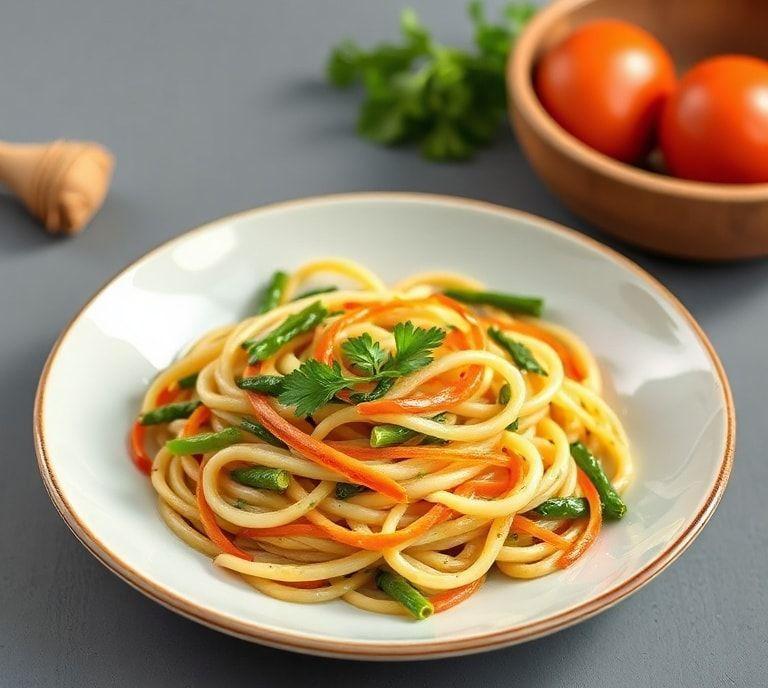
This vegetarian version of Laing brings out the heart of the dish without the usual pork or shrimp, making it a perfect choice for anyone looking to enjoy the essence of Filipino cooking while sticking to plant-based ingredients. The key to a good Laing is patience-it’s about allowing the coconut milk to reduce and meld with the flavors, transforming it into a rich, velvety sauce that coats the dried taro leaves. For me, this is not just a recipe; it’s an experience-a reminder of the comforting nature of slow-cooked food.
Ingredients Needed
For this vegetarian Laing, you’ll need:
- Dried Taro Leaves (1 cup) – These are the star of the dish, offering a subtle bitterness and unique texture. The leaves are what give Laing its signature earthy flavor.
- Coconut Milk (2 cans or 400 ml each) – Full-fat coconut milk is best for the rich, creamy texture that makes Laing so indulgent.
- Onion (1 medium, chopped) – A fresh, aromatic base for the dish.
- Garlic (5-6 cloves, minced) – For that aromatic punch that complements the sweetness of the coconut milk.
- Ginger (2-inch piece, sliced thinly) – Adds warmth and a slight zing.
- Vegetable Broth (1 cup) – To help the taro leaves cook down and add depth to the dish.
- Chili (2-3 fresh, or dried) – For heat, adjust based on your spice tolerance.
- Salt and Pepper – To taste, as simple as that.
- Cooking Oil (2 tablespoons) – I prefer coconut oil for that extra hint of flavor, but any neutral oil works.
Cooking Instructions
- Prep the Taro Leaves: This part is a bit of a labor of love. Dried taro leaves need to be soaked for about 30 minutes in hot water to soften. Once softened, drain them well and chop them into bite-sized pieces.
- Sauté Aromatics: In a large pan, heat the coconut oil over medium heat. Add the chopped onions, garlic, and ginger. Let them sauté until they’re fragrant, soft, and starting to turn golden. This will help release the full depth of the aromatics into the dish.
- Add the Coconut Milk: Pour in the coconut milk, stirring gently to combine with the aromatics. The milk should start to simmer and bubble slightly. This is where the magic begins, as the flavors will start to meld.
- Simmer the Leaves: Stir in the soaked taro leaves, making sure they’re well-coated with the coconut milk mixture. Add the vegetable broth at this point, along with the chili (to your desired spice level). Let the mixture simmer, uncovered, for about 25-30 minutes. The leaves will shrink down, and the coconut milk will thicken into a creamy, luscious sauce.
- Seasoning: Once the taro leaves are tender and the sauce has reduced, season the Laing with salt and pepper to taste. Be sure to adjust the seasoning because the coconut milk can sometimes mellow out the flavors, so you may need a little more salt than expected.
- Serve and Enjoy: Once everything has melded together into a beautiful, velvety, coconut-infused dish, serve your Laing hot over a bowl of steamed white rice. It’s rich, creamy, and with that kick of chili-it’s perfect for any occasion.
Ingredient Science Spotlight
Each ingredient in Laing plays an important role, not just in flavor but in texture and nutritional value. Let’s take a closer look at a few:
- Taro Leaves: The dried taro leaves have a slightly bitter, earthy taste and a fibrous texture. When cooked, they soften and take on a silky quality, absorbing the flavors of the coconut milk beautifully. Taro is also a good source of fiber, vitamins, and minerals, making it a nutritious addition to your diet.
- Coconut Milk: This rich, creamy liquid is packed with fats, particularly medium-chain triglycerides (MCTs), which are a type of fat that the body uses for energy. They’re easier to digest and provide quick energy. Coconut milk is also a good source of essential vitamins like vitamin C and B6, as well as minerals like manganese, which is crucial for bone health and metabolism.
- Chili: Adding a touch of heat with fresh or dried chili peppers doesn’t just kick up the flavor-it also has health benefits. Capsaicin, the compound that makes chili hot, has anti-inflammatory properties and can boost metabolism, which is always a plus when you’re indulging in something as rich as Laing.
Expert Tips
- Soaking the Taro Leaves: While soaking dried taro leaves is a must to soften them, make sure you don’t skip the step of draining them thoroughly before cooking. Too much water can dilute the coconut milk and alter the flavor.
- Adjusting the Spice Level: If you’re not a fan of heat, feel free to omit the chili or just add a small amount. However, a little bit of spice balances the richness of the coconut milk and brings the whole dish to life.
- Simmer Slowly: This is a dish that benefits from slow cooking. Don’t rush the process-let the coconut milk simmer and reduce over time. The flavors will deepen, and the texture of the taro leaves will become melt-in-your-mouth tender.
- Serving Suggestions: Laing pairs beautifully with steamed white rice, but it also works as a side dish to a more substantial meal. You could serve it with grilled fish, roasted chicken, or even alongside other Filipino favorites like adobo.
Recipe Variations
- With Mushrooms: If you want a little extra umami, add some sautéed mushrooms to the mix. The earthy flavor of mushrooms complements the taro leaves, adding an additional depth of flavor.
- Add Lemongrass: A few stalks of lemongrass will brighten up the dish with a citrusy, herbal note that cuts through the richness of the coconut milk.
- With Tempeh or Tofu: For added protein, you could add some tempeh or firm tofu. Pan-fry them first for some crispiness before mixing them into the coconut sauce. This gives the dish a new texture and extra substance.
- With Shrimp or Pork: If you’re not sticking to a vegetarian version, adding shrimp or pork belly can take the dish to the next level. The shrimp adds a sweet, briny contrast, while pork belly provides that crispy, savory texture.
Final Words
Laing has a way of becoming more than just food. It’s a connection to family, to culture, and to the art of slow cooking. The dish itself speaks to the beauty of Filipino food-simple ingredients, slow-cooked to perfection, and packed with flavor. Whether you’re in the Philippines or far away from home, this dish brings a taste of comfort and nostalgia.
FAQs
What Is Laing And How Can It Be Made Into A Vegetarian Recipe?
Laing is a traditional Filipino dish made primarily from dried taro leaves cooked in coconut milk, usually paired with meat or seafood. To make a vegetarian version of laing, you can omit the meat and seafood, replacing them with plant-based ingredients like mushrooms, tofu, or soy protein for added texture. Season with garlic, onions, chili, and spices to enhance flavor.
Can I Make Laing Vegetarian Without Using Coconut Milk?
Yes, it’s possible to make laing vegetarian without using coconut milk. Instead of coconut milk, you can use other plant-based milk alternatives like almond milk, oat milk, or cashew cream. However, keep in mind that coconut milk imparts a rich and creamy texture that may be difficult to replicate fully with other options, so adjustments to seasoning and texture may be necessary.
What Are The Key Ingredients Needed To Make A Vegetarian Laing Dish?
The key ingredients for a vegetarian laing dish are dried taro leaves, coconut milk, and various vegetables or plant-based proteins such as mushrooms, tofu, or tempeh. You’ll also need aromatics like garlic, onions, ginger, and chili for flavor, along with seasonings such as soy sauce, salt, and pepper. Optional additions can include eggplant, string beans, or other vegetables depending on your preference.