Dinner time often feels like a balancing act between nourishing your body, satisfying your taste buds, and fitting into the chaos of your day. For me, some of the best meals come together with a bit of creativity and a whole lot of simplicity. Enter the low-carb vegetarian dinner-a hearty, healthy choice that doesn’t demand a million ingredients or hours spent in the kitchen. This dish brings together fresh veggies, savory spices, and some clever tricks to give you that "comfort food" feeling without all the carbs.
I’ve been on a journey of figuring out how to make meals that aren’t just quick but actually enjoyable, especially when I want something light. The low-carb lifestyle can sometimes feel restrictive, but I’ve learned that there’s so much room for creativity. I remember my first attempt at a vegetarian low-carb dinner-I had to sneak in cauliflower rice to make up for the absence of traditional grains, but it ended up becoming a favorite, much to my surprise. The trick is finding flavors that make you forget you’re missing something (like pasta or bread). And when it clicks, it really feels like you’ve stumbled upon a magic trick for dinner.
Today, I’m sharing a recipe that I can’t get enough of: Zucchini Noodles with Pesto and Roasted Chickpeas. It’s packed with fiber, plant-based protein, and tons of flavor, all while being satisfying and fresh. Let’s dive in and get cooking!
Low Carb Vegetarian Dinner Recipe: Zucchini Noodles With Pesto And Roasted Chickpeas
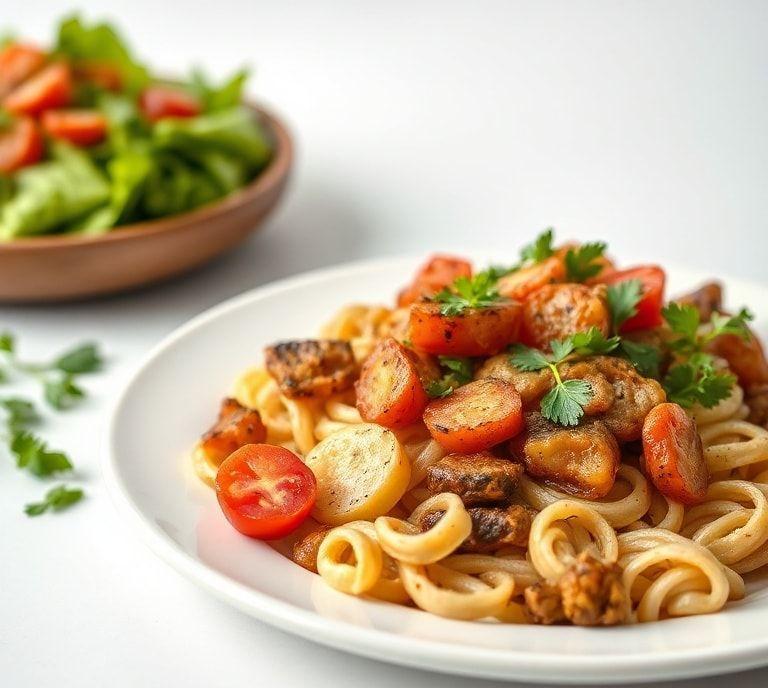
This dish is one of those recipes that feels like a bit of a treat, but you don’t have to feel guilty about it later. The zucchini noodles (or zoodles, if you’re into that) replace pasta, and they’re perfectly complemented by a fresh, aromatic pesto sauce. The roasted chickpeas add that much-needed crunch, and a sprinkle of parmesan (or nutritional yeast if you’re keeping it vegan) ties it all together beautifully.
Ingredients Needed
For this recipe, the ingredients are simple, but they work together to create a satisfying, flavorful meal. Here’s what you’ll need:
For The Zucchini Noodles
- 3 medium zucchinis (this should give you enough noodles for 2-3 servings)
- A pinch of salt (to draw out excess moisture from the zucchini)
For The Roasted Chickpeas
- 1 can of chickpeas, drained and rinsed
- 1 tablespoon olive oil
- 1 teaspoon smoked paprika
- 1 teaspoon garlic powder
- A pinch of sea salt and pepper
For The Pesto
- 2 cups fresh basil leaves (about a big handful)
- 1/3 cup pine nuts (or walnuts if you want to mix it up)
- 1/2 cup olive oil
- 2 tablespoons lemon juice
- 2 cloves garlic
- 1/4 cup grated parmesan or nutritional yeast (for a vegan option)
- Salt and pepper to taste
Cooking Instructions
Now that you’ve gathered everything, it’s time to get to work. Don’t be intimidated by the number of steps-each one is pretty straightforward, and you’ll feel like a kitchen pro by the end.
-
Prepare The Zucchini Noodles
First, grab your zucchinis. If you have a spiralizer, this is your moment! If not, you can use a julienne peeler or just slice the zucchini into thin strips with a sharp knife. You want long, thin ribbons of zucchini. Once your noodles are ready, place them in a colander and sprinkle a little salt on top. Let them sit for about 10 minutes to help draw out the moisture. Afterward, use a clean kitchen towel to gently pat them dry.
-
Roast The Chickpeas
Preheat your oven to 400°F (200°C). Drain and rinse your chickpeas, and then pat them dry with a towel. The drier they are, the better they’ll crisp up in the oven. Toss them in a bowl with olive oil, smoked paprika, garlic powder, salt, and pepper. Spread them out evenly on a baking sheet and roast for 20-25 minutes, shaking the pan halfway through. You want them to be golden and crispy, but not burnt.
-
Make The Pesto
While the chickpeas are roasting, make the pesto. In a food processor or blender, combine the basil, pine nuts, garlic, lemon juice, parmesan, and a pinch of salt and pepper. Pulse a few times to break everything down. With the processor running, slowly drizzle in the olive oil until the pesto is smooth but still has texture. Taste and adjust seasoning as needed-sometimes a little extra lemon juice or garlic can elevate the flavor.
-
Assemble The Dish
Once the chickpeas are done, it’s time to put everything together. In a large skillet, heat a little olive oil over medium heat. Toss in the zucchini noodles and cook for about 2-3 minutes, just to heat them through. You don’t want to cook them too long or they’ll get soggy. Once the noodles are ready, remove them from the heat and toss them with the pesto until they’re all coated. Plate the zoodles, sprinkle the crispy chickpeas on top, and add a little extra parmesan or nutritional yeast for that final touch.
Ingredient Science Spotlight: Zucchini And Chickpeas
A little science goes a long way in making your meals not just tasty, but also nutritionally solid. Take zucchini, for example: it’s an incredibly low-calorie vegetable packed with vitamins A and C, plus antioxidants. The high water content (about 95%!) helps to keep you hydrated, and it’s full of fiber that promotes good digestion. The best part is how zucchini holds its shape so well when it’s spiralized, giving you the satisfying ’bite’ of pasta without the carbs.
Now, chickpeas. These little legumes are a powerhouse of plant-based protein and fiber, making them an excellent choice for anyone looking to fill up without adding unnecessary carbs. The roasting process adds a delightful crunch, and their high fiber content helps balance blood sugar, keep you full longer, and maintain digestive health. Plus, they’re a great source of folate, iron, and manganese.
Expert Tips
- Don’t Overcook the Zoodles: The key to zucchini noodles is that they should have some bite to them. If you cook them too long, they’ll get mushy and watery, which can throw off the texture of the dish. Just a quick sauté is enough.
- Customize Your Pesto: If you don’t have pine nuts or want a different flavor, walnuts or even sunflower seeds can work well. You can also swap out the basil for spinach or arugula for a new twist.
- Chickpea Variation: For an extra punch of flavor, try seasoning your chickpeas with cumin or chili powder before roasting. The combination of smoky, spicy chickpeas with the fresh pesto is an unexpected delight.
- Make It Ahead: You can prep the chickpeas and pesto ahead of time and store them in the fridge for a couple of days. When you’re ready to eat, just sauté the zucchini noodles, toss with pesto, and add the chickpeas. Quick dinner, no hassle.
Recipe Variations
While this version of the recipe is vegetarian and low-carb, there are a few variations you can try to make the dish your own:
- Vegan Version: Simply swap the parmesan for nutritional yeast or a vegan parmesan alternative. The flavors will still pop, and you’ll keep the dish dairy-free.
- Add More Protein: If you want a heartier meal, consider adding a plant-based protein like tofu or tempeh. You can pan-fry or bake them to add texture and flavor.
- Spicy Pesto: If you’re a fan of heat, add some red pepper flakes or a small chili pepper to the pesto for an extra kick.
- Add a Side Salad: For a more substantial meal, pair the zucchini noodles with a side salad topped with avocado, nuts, and a light vinaigrette. The creamy avocado balances the crispness of the chickpeas.
Final Words
This low-carb vegetarian dinner is a game-changer for anyone trying to eat lighter without sacrificing flavor. It’s easy to prepare, full of nutritious ingredients, and endlessly customizable. Whether you’re already a fan of the low-carb lifestyle or just trying to reduce your carb intake, this dish is a keeper. Plus, if you have any leftovers, they make for an excellent lunch the next day-if you can resist eating it all in one sitting.
FAQs
What Are Some Easy Low Carb Vegetarian Dinner Options?
Easy low carb vegetarian dinner options include zucchini noodles with pesto and cherry tomatoes, cauliflower rice stir-fried with vegetables and tofu, and stuffed bell peppers filled with a mixture of mushrooms, spinach, and cheese. These meals are simple to prepare, nutrient-dense, and low in carbohydrates while providing protein and fiber.
How Can I Ensure I Get Enough Protein In A Low Carb Vegetarian Dinner?
To maintain adequate protein intake in a low carb vegetarian dinner, incorporate protein-rich plant-based ingredients such as tofu, tempeh, seitan, edamame, legumes in moderation, nuts, and seeds. Combining these with low carb vegetables like spinach, broccoli, and zucchini helps balance protein requirements without significantly increasing carbohydrate content.
Are There Any Tips For Making Low Carb Vegetarian Dinners More Flavorful?
Yes, flavor can be enhanced by using fresh herbs, spices, and healthy fats. Ingredients like garlic, ginger, turmeric, paprika, basil, cilantro, olive oil, and avocado not only add taste but also provide additional nutrients. Roasting or sautéing vegetables can deepen flavor, and using low carb sauces such as tahini, pesto, or yogurt-based dressings can make meals more satisfying without increasing carbs.