There are few things that can make you feel like you’re part of something deeply cultural, even spiritual, as much as cooking a dish from another part of the world. I remember the first time I tasted Maafe, the West African peanut stew, during a family dinner at a friend’s house. The rich, nutty sauce enveloped tender vegetables, and the harmony of spices was something I’d never quite experienced before. It was a revelation in a bowl. That first bite marked the beginning of a love affair with the dish-and I knew I had to try making it myself. Over the years, I’ve experimented with variations of this comforting stew, learning how small changes in the recipe can make a huge impact.
Now, here’s the kicker: traditionally, Maafe is often made with meat, particularly lamb or chicken, but I decided to give it a vegetarian twist. By focusing on hearty vegetables and using natural plant-based proteins, I found a way to recreate the essence of Maafe while keeping it fully vegetarian, without sacrificing any of the depth of flavor that makes it so beloved. It’s one of those dishes that can adapt to whatever you have on hand, making it not only versatile but also perfect for any occasion.
So, let’s dive into this journey of flavors together, and I’ll share with you my take on a Vegetarian Maafe Recipe-a perfect mix of rich, savory, spicy, and slightly sweet, with a comforting peanut sauce that ties it all together.
Maafe Vegetarian Recipe
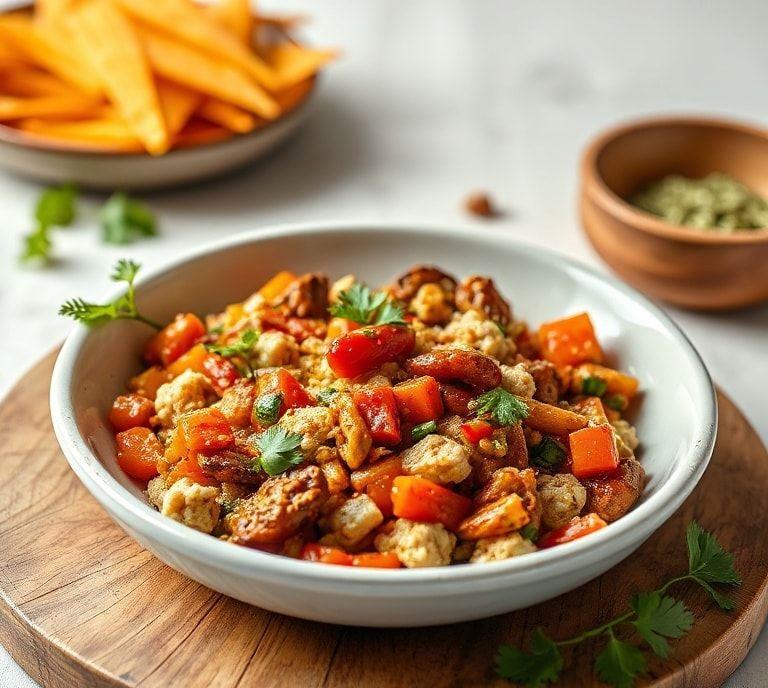
This vegetarian Maafe is a soul-warming dish that’s not only packed with nutrients but also so full of flavor that you’ll forget there’s no meat. The base is simple, yet each element contributes something important to the dish: the peanut butter (or peanut paste) gives it that creamy richness, while the vegetables provide a balance of texture and depth. The spices infuse the sauce with a fragrant heat, giving you the warmth of West Africa right in your own kitchen.
Here’s how you can make it:
Ingredients Needed
For this recipe, I keep things fairly simple, but if you love to tweak, feel free to add or substitute ingredients based on what you prefer. It’s all about what resonates with your taste buds.
- 2 tablespoons of olive oil (or any other neutral oil of your choice)
- 1 large onion, chopped
- 3 cloves garlic, minced
- 1 teaspoon fresh ginger, grated (don’t skip the ginger, it adds a nice kick)
- 1 large sweet potato, peeled and diced into 1-inch cubes
- 2 large carrots, sliced into rounds
- 1 zucchini, chopped (optional, but adds a great texture)
- 1 bell pepper, chopped (I usually go for red for a pop of color)
- 1 can (14 oz) of diced tomatoes or 2 large fresh tomatoes, chopped
- 1/3 cup peanut butter (smooth works best, but crunchy can give a bit more texture)
- 4 cups vegetable broth
- 1 teaspoon ground cumin
- 1 teaspoon ground coriander
- 1 teaspoon turmeric (this is key for that vibrant golden color)
- 1 teaspoon smoked paprika (adds a subtle smokiness)
- Salt and pepper to taste
- Fresh cilantro or parsley for garnish (optional, but it adds a refreshing touch)
Optional add-ins: Spinach or kale, for added greens.
Cooking Instructions
This part is incredibly simple, and trust me, the smell as it all comes together is just intoxicating.
- Sauté the aromatics: Start by heating the olive oil in a large pot or Dutch oven over medium heat. Add the chopped onion and sauté until it softens, about 4-5 minutes. Add the garlic and ginger, and cook for another minute, just enough to release those wonderful fragrances.
- Add the vegetables: Toss in the sweet potato, carrots, bell pepper, and zucchini. Stir everything around to coat the vegetables with the flavors of the onions, garlic, and ginger. Let this sauté for another 5 minutes.
- Spices and tomatoes: Stir in the cumin, coriander, turmeric, paprika, and a good pinch of salt and pepper. Then add the diced tomatoes (with their juices) and stir everything together.
- Simmer: Pour in the vegetable broth and bring it to a simmer. Cover and let it cook for about 20 minutes, or until the sweet potatoes and carrots are tender but not mushy.
- Peanut butter magic: Now, here’s where the magic happens. Stir in the peanut butter until it melts into the broth, creating a creamy, nutty sauce. Taste and adjust the seasoning-more salt, pepper, or maybe a touch of chili powder if you want extra heat.
- Finish and serve: Let it simmer for another 10-15 minutes to allow the flavors to meld together. Serve it hot, garnished with fresh cilantro or parsley. If you have some on hand, a scoop of plain yogurt or a squeeze of lime adds a nice tangy contrast to the richness.
Ingredient Science Spotlight
A key to this dish’s unique flavor profile lies in its combination of peanut butter and spices. The peanuts provide protein and healthy fats, but they also serve as a wonderful foil for the spices in the dish. Here’s why this combo works so well:
- Peanut Butter: Beyond just providing a creamy texture, peanut butter adds a deep umami flavor-something that often gets lost in vegetarian dishes. The oil in peanut butter also helps to balance out the heat and spices, giving you a rich, silky mouthfeel.
- Turmeric and Cumin: Turmeric, with its earthy bitterness, pairs beautifully with the warmth of cumin, which brings a nutty, slightly peppery flavor to the stew. These spices are both aromatic and comforting, elevating the peanut butter without overwhelming it.
- Vegetable Broth: The broth is the liquid backbone of this dish. It absorbs all the flavors, making the sauce luscious and rich. Using vegetable broth, instead of just water, brings in savory depth that transforms simple vegetables into a hearty meal.
Expert Tips
- Don’t rush the sauté: Allow the onions and garlic to cook properly before adding the vegetables. This caramelizes them and draws out sweetness, creating a rich base for the stew.
- Adjust the consistency: If you like a thicker stew, reduce the broth by about a cup. For a thinner sauce, add a bit more broth or water. Just make sure to taste and adjust the seasoning accordingly!
- Play with spice levels: If you’re not into heat, scale back on the smoked paprika or skip the chili flakes. If you want to make it more fiery, add fresh chili peppers or a splash of hot sauce at the end.
- Make it a meal: For extra protein, serve over quinoa or couscous. Or add cooked lentils or chickpeas directly into the stew.
Recipe Variations
- Add greens: Spinach or kale is a great addition if you want to throw in some extra vegetables. Add them in the last 10 minutes of cooking so they retain their color and texture.
- Add sweet and spicy: Some people like to add a bit of sweetness to balance the heat-try adding a splash of coconut milk or a tablespoon of maple syrup for a different twist.
- Substitute peanut butter: If you’re allergic to peanuts, cashew butter works beautifully as a substitute-though it’s a bit milder. Almond butter can also be used for a nutty flavor.
- Add legumes: To make this stew even more hearty, you can add cooked chickpeas, lentils, or black beans. These will soak up the flavors of the sauce and give the dish extra protein.
Final Words
One of the things I love most about this recipe is its versatility. Whether you’re cooking for a large group or just making a pot to last you through the week, it has the kind of flavor that feels like a hug. Plus, it’s full of nutrients, thanks to the vegetables and peanut butter. It’s a dish that makes you feel good, inside and out.
But the best part? It’s that perfect balance between comfort food and something more exotic-familiar yet new. This vegetarian Maafe doesn’t just feed the body; it feeds the soul.
FAQs
What Is A Maafe Vegetarian Recipe?
A maafe vegetarian recipe is a plant-based version of the traditional West African peanut stew, typically made with a combination of vegetables such as sweet potatoes, carrots, bell peppers, and tomatoes, and thickened with ground peanuts or peanut butter. This variation excludes meat but maintains the rich, nutty flavor that characterizes maafe.
Which Vegetables Are Best Suited For A Vegetarian Maafe?
Common vegetables for vegetarian maafe include carrots, sweet potatoes, eggplant, spinach, bell peppers, and tomatoes. These vegetables hold up well during slow cooking, absorb the peanut-based sauce, and contribute to the stew’s hearty texture and nutritional value.
How Can I Make A Vegetarian Maafe More Flavorful?
To enhance the flavor of a vegetarian maafe, you can use ingredients such as garlic, ginger, onions, chili peppers, and tomato paste. Adding vegetable stock instead of water deepens the taste, and finishing with a squeeze of lemon or lime juice can brighten the flavors. Toasting the peanut butter slightly before adding it to the stew can also intensify its nutty richness.