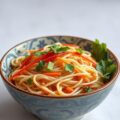
It’s funny how food has a way of bringing people together. It’s not just about the flavors on your plate; it’s the memories, the moments shared, and the comforting ritual of sitting down to a warm meal. I remember a time when I was just starting to explore vegetarian cooking. I didn’t have much experience beyond pasta and the basics, but there was one dish that always stood out: macaroni. It’s one of those dishes that feels both nostalgic and versatile, and it always comes out tasting great, whether you’re trying to impress guests or just want something quick and comforting for yourself. The beauty of a vegetarian macaroni recipe is that it offers endless possibilities for customization while still being filling and satisfying.
Today, I’m going to walk you through a macaroni recipe that’s not just vegetarian but also packed with flavor and nutrition. This is the kind of dish that feels homey but also allows you to play around with different textures and ingredients. Whether you’re a seasoned cook or just someone looking to add more plant-based meals to your repertoire, this recipe is the perfect place to start.
Macaroni Vegetarian Recipe
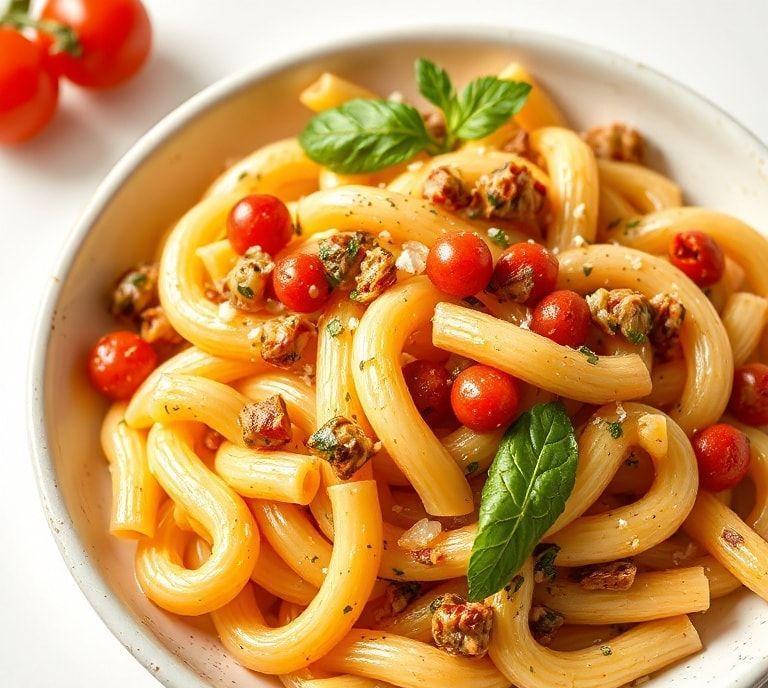
Here’s the thing about macaroni: it’s ridiculously easy to make and yet somehow, it always feels like a little indulgence. When you swap out the usual dairy-heavy ingredients for plant-based alternatives, the dish still carries that creamy richness, but with a lighter touch. Think about it-smooth, creamy pasta with veggies mixed in, maybe some crispy breadcrumbs on top. What’s not to love?
I’ve spent years tweaking this recipe, and what I’ve learned is that the key is balancing flavors while not overcomplicating things. It’s a simple recipe, but it has layers of flavor that evolve with each bite. There’s the slight crunch from the veggies, the creamy sauce that envelops the pasta, and the occasional pop of herbs or cheese, if you’re using it.
Ingredients Needed
Before we get into the actual cooking, let’s talk about what you’ll need to gather. The ingredients for this vegetarian macaroni are simple, but together they create something magical:
- Pasta: You can use any kind of pasta you like, but elbow macaroni is the classic choice. You can also swap it out for gluten-free pasta if that’s your preference.
- Olive oil: A healthy fat that adds richness. It’s used to sauté the veggies and create the sauce base.
- Vegetables: I like to go for a mix of bell peppers, onions, and zucchini. These veggies bring sweetness, crunch, and depth to the dish.
- Garlic: A little garlic goes a long way in enhancing the flavors and adding that comforting aroma.
- Plant-based milk: Almond, soy, or oat milk work well here, offering a creamy base without the dairy.
- Nutritional yeast: This is the magic ingredient. It gives a cheesy, savory flavor that complements the richness of the sauce.
- Vegetable broth: Adds depth and umami without any meat.
- Flour: This is to make the roux for the creamy sauce.
- Spices: Salt, pepper, paprika, and a pinch of cayenne (optional) are all you need to give the dish that balance of flavors.
Cooking Instructions
Now that we have everything we need, it’s time to get cooking. This recipe moves fairly quickly, so don’t be afraid to get your hands dirty.
- Cook the pasta: Start by bringing a large pot of salted water to a boil. Add the elbow macaroni and cook according to the package directions, usually about 8-10 minutes. Drain and set aside.
- Sauté the veggies: In a large skillet, heat about 2 tablespoons of olive oil over medium heat. Add your onions, garlic, and bell peppers, and cook for about 5-7 minutes, or until the vegetables start to soften. Add the zucchini in last and cook for another 3-4 minutes. You want the veggies to be tender but still have some bite.
- Make the sauce: In the same pan, add 2 tablespoons of flour and stir constantly for about 1 minute. This will create the roux for the sauce. Slowly pour in the plant-based milk, whisking to prevent lumps. Gradually add the vegetable broth and continue whisking. Let the mixture simmer until it thickens, which should take about 5 minutes.
- Season the sauce: Add in your nutritional yeast, paprika, salt, and pepper. Taste the sauce and adjust the seasoning to your liking. If you like a little heat, throw in a pinch of cayenne pepper.
- Combine the pasta and sauce: Add the cooked pasta to the sauce and stir to coat. Let everything cook together for another 2-3 minutes to allow the pasta to absorb some of the sauce.
- Serve and garnish: Serve the macaroni warm. You can top it with fresh herbs like parsley or a sprinkle of extra nutritional yeast for that cheesy finish.
Ingredient Science Spotlight
Here’s where things get really interesting. Let’s dive into some of the ingredients that make this dish work, beyond just their flavor:
- Nutritional yeast: This is often the unsung hero of vegetarian cooking. It’s packed with B-vitamins, especially B12, which is essential for those on plant-based diets. Nutritional yeast is made from a type of yeast that’s grown on molasses, then deactivated (so it won’t make bread rise!). When it’s added to dishes like this, it imparts a cheesy flavor without any dairy.
- Plant-based milk: Whether it’s almond, soy, or oat, these milks provide the creamy texture without any of the saturated fats found in dairy. Oat milk, in particular, has a natural sweetness that works beautifully in savory dishes like this, while soy milk is richer and creamier. Both options are rich in vitamins and minerals.
- Paprika: This spice is more than just a garnish. It contains capsaicin, which gives it a mild heat, but also antioxidants that help support your immune system. Plus, it adds a nice depth of flavor without overwhelming the dish.
Expert Tips
If you’re new to making vegetarian meals or even cooking in general, here are a few tips to take this dish to the next level:
- Use high-quality pasta: Pasta is the base of this dish, so make sure it’s something you love. Try whole wheat pasta for added fiber or experiment with gluten-free varieties if you have dietary restrictions.
- Don’t skimp on the seasoning: Vegetarian dishes sometimes get a bad rap for being bland. But with the right seasoning, they can be just as flavorful as any meat-based dish. Taste and adjust along the way.
- Add a crunchy topping: A sprinkle of toasted breadcrumbs on top adds a great textural contrast to the creamy pasta. You can even make your own by toasting some breadcrumbs with olive oil and garlic.
- Use the pasta water: Save a cup of the pasta cooking water before draining. You can use it to adjust the consistency of your sauce if it’s too thick. The starch in the water helps the sauce cling to the pasta.
Recipe Variations
The beauty of this macaroni recipe is its versatility. You can change it up to suit your preferences or whatever you have on hand:
- Add roasted vegetables: Roasted cauliflower, sweet potatoes, or even roasted tomatoes would bring a different flavor dimension to the dish.
- Vegan cheese: If you want an extra cheesy kick, you can add some shredded vegan cheese to the sauce or sprinkle it on top before broiling the dish for a crispy, cheesy finish.
- Spicy twist: If you like heat, add some chopped jalapeños or a dash of hot sauce into the sauce. The warmth of the peppers will contrast nicely with the creaminess of the pasta.
- Protein boost: Throw in some cooked lentils, chickpeas, or tempeh for added protein. This would make the dish heartier and more filling, perfect if you’re looking for something to serve as a main course.
Final Words
Cooking is personal. It’s not about following a strict set of rules but about creating something that brings joy and comfort. This vegetarian macaroni recipe is my version of that: it’s flexible, adaptable, and satisfying. It’s the kind of meal that you can whip up on a weekday night or prepare in bulk for a cozy weekend dinner. And the best part? It’s a dish that you can tweak to make your own, whether by switching out ingredients or adding your own flair.
FAQs
What Are The Key Ingredients For A Basic Macaroni Vegetarian Recipe?
A basic macaroni vegetarian recipe typically includes elbow macaroni, olive oil or butter, garlic, onions, vegetables (such as bell peppers, zucchini, or spinach), and seasonings like salt, pepper, and Italian herbs. For a creamy texture, you may add cheese, milk, or a plant-based cream substitute.
Can I Make A Vegan Macaroni Vegetarian Recipe?
Yes, you can easily make a vegan version of macaroni by substituting dairy ingredients with plant-based alternatives. Use vegan butter or olive oil, dairy-free cheese, and unsweetened almond or oat milk instead of regular dairy products. Nutritional yeast can also be added to mimic the cheesy flavor.
How Can I Add Protein To A Macaroni Vegetarian Recipe?
To add protein to a macaroni vegetarian recipe, you can incorporate ingredients like cooked lentils, chickpeas, tofu, tempeh, or edamame. You can also use plant-based protein powder or add seeds and nuts for extra texture and nutritional value.