If there’s one dish I’ve come to cherish over the years, it’s Mafe. This hearty, deeply flavorful West African peanut stew has been a staple in many kitchens, with a history that stretches across several countries, but most notably in Senegal, Mali, and Guinea. The richness of the sauce, the smoothness of the peanuts, and the earthiness of the vegetables make it an unforgettable meal. It’s the kind of dish you’d cook on a slow Sunday afternoon, letting the flavors meld and deepen over time, filling the house with an aroma that’s both comforting and bold. It’s the perfect meal for someone looking for a plant-based alternative to traditional stews, but without sacrificing any of the flavor.
I first stumbled upon Mafe while traveling through Senegal, and the memory of the first spoonful still lingers. There was this tiny, open-air cafe where the woman behind the counter handed me a bowl of peanut stew, and as I took my first bite, I felt like I had stumbled upon a hidden secret of the world. There was something about the balance of spices and the way the peanut butter embraced the vegetables that made me fall in love with the dish instantly. And since then, I’ve made it a point to recreate it as authentically as I can, experimenting with it in my own kitchen.
Today, I want to share a vegetarian version of Mafe, which stays true to the essence of the dish but removes any animal products, keeping it light, wholesome, and plant-based. It’s comfort food at its finest, no matter what your diet looks like.
Mafe Vegetarian Recipe
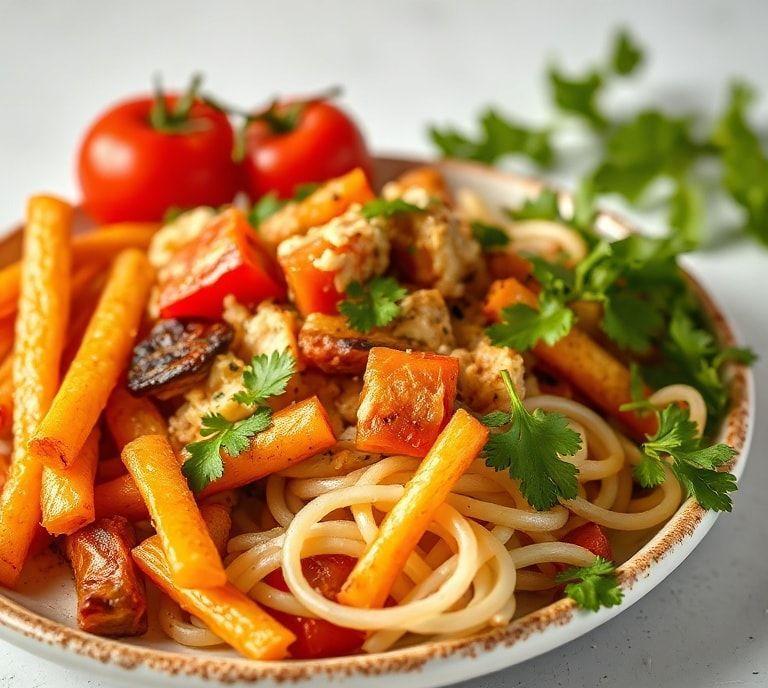
A vegetarian Mafe is a beautiful thing. It relies on the depth of vegetables like sweet potatoes, carrots, and greens, all steeped in a creamy peanut sauce that’s rich and full of body. It’s earthy, savory, slightly sweet, and spicy all at once – a dish that doesn’t compromise on flavor despite being entirely plant-based. You can serve it with rice or couscous, or even just enjoy it on its own as a fulfilling meal.
Ingredients Needed
To make this stew, you’ll need:
- 1 medium onion, finely chopped
- 2 cloves garlic, minced
- 1 tablespoon ginger, freshly grated
- 2 tablespoons vegetable oil (or peanut oil if you want to add a bit more authenticity)
- 2 medium sweet potatoes, peeled and cubed
- 2 carrots, sliced into rounds
- 1 zucchini, chopped (optional)
- 1 can (14 oz) tomatoes, crushed or diced
- 1/2 cup natural peanut butter (smooth or crunchy, but I prefer smooth for a creamy texture)
- 4 cups vegetable broth (or water if you’re in a pinch)
- 1 teaspoon ground cumin
- 1 teaspoon ground coriander
- 1 teaspoon smoked paprika (adds a nice depth of flavor)
- 1/2 teaspoon chili flakes (optional, for heat)
- Salt and pepper, to taste
- Fresh spinach or collard greens (about 2 cups)
- Lemon juice, for finishing
- Fresh cilantro, chopped, for garnish
Cooking Instructions
- Prep the vegetables: Start by chopping everything. I like to get all my ingredients ready before I start cooking, because once you’re in the groove, it’s all about timing. Plus, the smell of garlic, ginger, and onions sizzling together is one of my favorite things.
- Sauté the aromatics: Heat the oil in a large pot over medium heat. Add the onions and sauté until they’re soft and translucent, about 5 minutes. Then, throw in the garlic and ginger and cook for another minute. The kitchen will start to smell amazing right about now.
- Add the spices: Stir in the cumin, coriander, smoked paprika, and chili flakes. Let the spices bloom in the oil for another minute. This is when the stew starts to develop its complexity.
- Cook the vegetables: Add the sweet potatoes and carrots (and zucchini, if you’re using it). Stir everything around for a couple of minutes, letting the veggies pick up the spices.
- Simmer with tomatoes and broth: Pour in the crushed tomatoes and vegetable broth. Stir everything together, bring it to a boil, and then reduce the heat to a simmer. Let it cook for about 15 minutes, or until the vegetables are tender.
- Add the peanut butter: Stir in the peanut butter and allow it to dissolve into the stew, creating that luscious, velvety texture. You may need to add a bit more water or broth here if the stew becomes too thick. Keep simmering for another 10 minutes to let the flavors blend together.
- Final touches: Just before serving, toss in the spinach or collard greens. They’ll wilt down beautifully, adding a fresh, green note to balance the richness of the peanut sauce. Taste and adjust seasoning with salt, pepper, and a squeeze of lemon juice for brightness.
- Serve: Ladle the stew over a bowl of steamed rice or couscous. Garnish with chopped cilantro and maybe a little more lemon juice for a zing.
Ingredient Science Spotlight
Let’s talk about the peanut butter in Mafe, because it’s truly the star of the show. Peanuts are rich in healthy fats, protein, and fiber, making them not only a great base for the stew but also a source of long-lasting energy. Peanut butter provides a creamy texture that gives the stew its signature richness without relying on dairy or cream. It also brings that earthy, umami quality, balancing out the sweetness of the vegetables.
The addition of ginger, garlic, and onions helps to build the savory foundation, while the cumin and coriander introduce warm, aromatic layers. These spices aren’t just flavorful; they have anti-inflammatory properties and digestive benefits. The tomatoes give the stew acidity, cutting through the richness of the peanut butter, while the greens provide fiber, vitamins, and a nice color contrast.
Expert Tips
- Add more vegetables: Don’t be afraid to experiment with different veggies based on what you have. Cauliflower, eggplant, or bell peppers would all work well in this stew.
- Use chunky peanut butter: If you prefer a bit more texture in the sauce, go for crunchy peanut butter. It’ll add small chunks of peanuts that enhance the overall experience.
- Make it ahead: Mafe gets even better the next day. The flavors have time to meld, so it’s a perfect make-ahead dish for meal prep.
- Spice level: Adjust the heat to your liking. If you’re not into spicy food, omit the chili flakes or use a milder pepper. For more heat, throw in some hot sauce at the end.
- Garnishes are key: Fresh cilantro and a squeeze of lemon juice add the necessary brightness to the dish, so don’t skip them.
Recipe Variations
- Mafe with Tofu or Tempeh: If you’re missing protein, adding cubed tofu or tempeh can take this dish to the next level. Tofu will absorb the stew’s flavors while adding texture, while tempeh offers a more earthy bite.
- Spicy Mafe: If you love spice, amp up the chili flakes, or even add a few fresh hot chilies in the pot. Alternatively, serve with a side of spicy sambal or harissa to drizzle on top.
- Mafe with Chickpeas: For an added boost of protein and texture, throw in a can of chickpeas. They soak up the peanut sauce and add a lovely bite.
- Sweet Potato-Free Mafe: If you want to skip the sweetness of sweet potatoes, try using squash or even potatoes. Both bring a different texture and flavor, but will still hold up in the stew.
Final Words
Mafe is one of those recipes that gets better every time you make it. It’s forgiving, flexible, and endlessly delicious. Plus, it’s a great dish for any gathering, whether it’s a casual weeknight dinner or a special occasion. The best part? It’s completely plant-based without skimping on flavor or heartiness.
FAQs
What Is A Mafe Vegetarian Recipe?
Mafe is a traditional West African dish, typically made with meat or fish, but the vegetarian version substitutes these proteins with plant-based ingredients. The dish is characterized by a rich and creamy peanut sauce made from ground peanuts, tomatoes, onions, garlic, and spices. It is often served with rice or couscous and can include vegetables like sweet potatoes, carrots, or greens.
Can I Make Mafe Vegetarian Without Peanut Butter?
Yes, you can make a vegetarian Mafe without peanut butter by using natural ground peanuts or peanut paste. The key to authentic Mafe is the combination of peanuts and tomatoes, so it’s important to use some form of peanuts. You could also use cashew butter or almond butter as alternatives if you prefer or have allergies, though this will alter the flavor slightly.
What Vegetables Are Best In A Mafe Vegetarian Recipe?
Common vegetables used in Mafe vegetarian recipes include sweet potatoes, carrots, bell peppers, spinach, and eggplant. These vegetables complement the rich peanut sauce and provide texture and flavor. You can also add leafy greens like kale or mustard greens, depending on your preference or what is available.